


Key Takeaways
- Thorough preparation, from decluttering to strategic fixes, drives quick home sales.
- Smart pricing and an appealing online presence are key to drawing buyer interest rapidly.
- Simple upgrades, legal readiness, and curb appeal prevent common selling pitfalls.
- Flexibility, organization, and small investments can translate to a smoother, faster sale.
Table of Contents
- Why Home Preparation Matters When Selling Quickly
- Decluttering and Depersonalizing for Impact
- Essential Repairs That Pay Off
- Staging Tips on a Budget
- Curb Appeal: The Power of First Impressions
- Pricing Your Home to Sell Fast
- Digital Listings and Photography Essentials
- Preparing Paperwork and Legal Readiness
- Common Challenges and How to Overcome Them
Why Home Preparation Matters When Selling Quickly
If you need to move quickly, careful home preparation becomes invaluable. Today’s buyers are savvy—armed with research and high expectations, they form impressions when they scroll through listings or step on the front porch.
Data from the National Association of Realtors highlights that over 80% of buyers find it easier to picture a property as their future home when it’s staged. This emotional connection significantly boosts the chances of obtaining an offer soon after listing.
In many competitive markets, homes that shine during their debut weekends are most likely to spark multiple offers, while those that lag often need price cuts or lengthy negotiations.
Many sellers seek efficient ways to accelerate the process. From staging and repairs to pricing and paperwork, preparation is the thread that connects every step.
Services advertising promises like we buy any home underscore how readiness—from presenting a clutter-free environment to tackling basic repairs—can make the difference between a drawn-out listing and a quick, confident sale.
Even if you aren’t selling to an instant-offer service, these same principles help position any household for success.
Decluttering and Depersonalizing for Impact
One of the first steps to a fast sale is simple: clear out personal items and excess belongings. The goal isn’t just to tidy up, but to transform your home into a neutral, welcoming backdrop. House buyers want to envision their everyday life unfolding through your spaces, not just observe your memories.
Removing family photos, trophies, kids’ artwork, and distinctive collectibles allows architectural features and room potential to stand out. When closets and storage areas overflow, it signals to buyers that the house may lack enough space for their needs, even if that’s not the case.
By editing down your visible belongings, you make every room feel more spacious and functional. Stagers and professional organizers often recommend paring down items in each room by about 50%.
Consider donating, selling, or storing excess books, toys, gadgets, or seasonal decorations. In several national surveys, decluttered, depersonalized homes outshone cluttered ones and received more frequent offers at or above asking price.
- Remove all but essential furniture and décor from each room.
- Pack away family portraits, memorabilia, and unique collections.
- Store small appliances off countertops for a streamlined kitchen.
- Organize closets so buyers see ample storage, not limitations.
Essential Repairs That Pay Off
Small repair jobs help avoid red flags during showings and inspections. Buyers can feel uneasy about visible damage or appliances that don’t work correctly; even minor issues suggest possible hidden problems. Tackling a to-do list of light repairs demonstrates pride of ownership, helps justify your asking price, and reduces leverage for buyer negotiations after inspections.
Attention to detail matters—a fresh coat of neutral paint, functioning light switches, and doors that close smoothly make a first impression. A broken faucet or flickering light fixture sticks in the minds of buyers even if the rest of the house sparkles. Studies reveal that homes with updated fixtures, fresh paint, and well-presented hardware fetch higher offers and spend fewer days on the market.
Walk through each room and note every minor flaw; fixing these is straightforward and affordable, with most sellers recouping more than the cost of fundamental improvements.
- Patch nail holes, repair cracked drywall, and repaint scuffed walls.
- Replace burnt-out or mismatched light bulbs with LED daylight bulbs.
- Lubricate squeaky door hinges and repair minor plumbing leaks.
- Update outdated cabinet pulls, faucets, and faceplates for an instant refresh.
Staging Tips on a Budget
Staging is less about elaborate design and more about showcasing your home’s greatest strengths. For sellers, this often means organizing furniture to maximize open space and ensuring every area serves a visible purpose. Set the table with simple place settings for a small dining room to define the use. Brighten rooms by removing window coverings and letting in as much natural light as possible.
To create warmth and interest, borrow ideas from professional stagers by incorporating a few new, neutral accessories. Fresh linens in bedrooms and the addition of throw blankets or pillows create cozy living spaces.
Placing a few well-maintained plants injects life and color, while mirrors bounce light and make small rooms feel larger. Review these Forbes home staging tips for a professionally inspired perspective to capture buyer interest without overspending.
- Declutter surfaces, but don’t strip rooms of personality completely—balance is key.
- Strategically arrange seating to highlight space and flow.
- Add soft lamps in dark corners and replace any dated, heavy drapery.
- Choose a single accent color (green or blue) for accessories, creating cohesion without distraction.
Curb Appeal: The Power of First Impressions
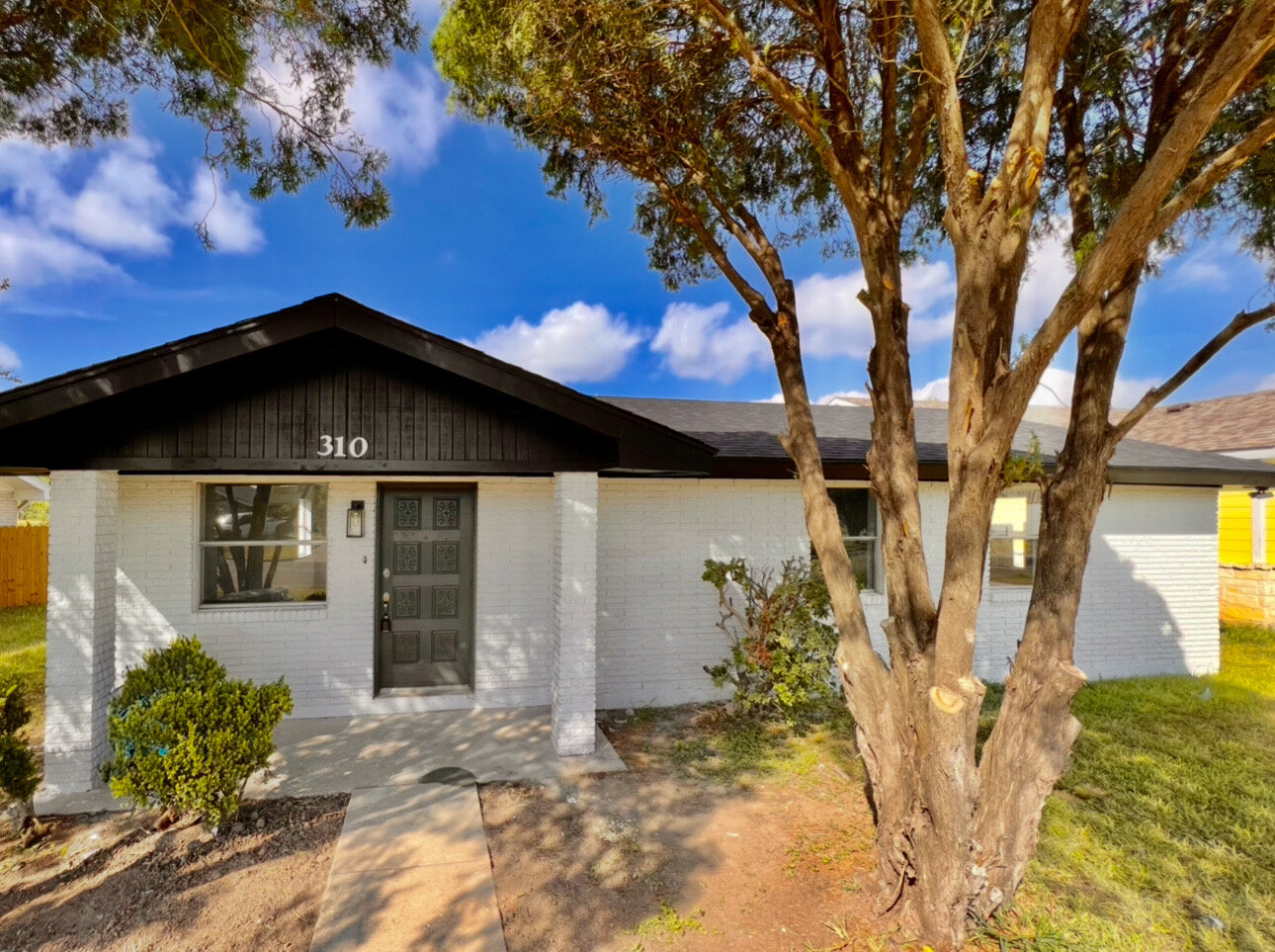
The journey from sidewalk to front door is your first and best chance to attract and impress buyers. Research consistently shows that improving curb appeal boosts initial interest and a stronger sale price, and well-maintained exteriors can yield up to a 150% ROI. Clean up landscaping with neatly mowed lawns, trimmed shrubs, and new mulch to make the property pop in photos and person.
Small, inexpensive touches can also have a significant effect. Painting the front door in a fresh, neutral shade or adding a modern mailbox subtly signals that the property is up-to-date.
Ensure outdoor lighting is welcoming, and sweep walkways and porches before every showing. These small investments pay off significantly by increasing the volume of house tours and minimizing lowball offers.
- Plant seasonal flowers or use cheerful potted plants as focal points near the entrance.
- Wash or repaint trim, railings, mailboxes, and address numbers.
- Inspect the roof and gutters for debris and remove any cobwebs or leaves from entryways.
- Ensure the pathway to your door is transparent, well-defined, and in good repair.
Pricing Your Home to Sell Fast
The most critical step to securing a quick sale is asking the right price. List your home for too much, and it may languish on the market, garnering suspicion from prospective buyers; list it too low, and you could leave money on the table.
Most real estate professionals advise reviewing recent comparable sales—similar properties in your area that have sold within the last few months—so you can position your price point competitively. In hot markets, strategic slightly-below-market pricing can spark bidding wars and multiple offers, frequently driving the price above the list price. Price adjustments are less effective, as the “fresh listing” advantage diminishes over time.
The first two weeks are critical to capture serious buyers actively searching for new inventory. Relying on reputable online tools and professional appraisals can help find a sweet spot where the home is perceived as an actual value and not overlooked.
- Research and analyze sold properties, not just actives or under contract listings.
- Consult with a real estate agent or local appraiser for nuanced insights.
- Factor in any upgrades, updated finishes, or unique features the home offers.
- Calculate closing costs and selling expenses so surprises don’t derail negotiations.
Digital Listings and Photography Essentials
With home searches increasingly starting online, photos and digital presentations can make or break a sale. Listings with professional images sell faster—sometimes by 32% or more—since they immediately catch the buyer’s eye and create excitement about touring in person. High-resolution shots, full of bright light and good composition, show each space at its best.
Capture several angles of each room, highlighting unique upgrades and features like hardwood floors or built-in shelves.
Use wide-angle lenses to make rooms look spacious and inviting. Supplement with virtual tours, interactive floorplans, or video walkthroughs for buyers who may be relocating or cannot visit in person.
The listing description should be detailed and tell a story, mentioning recent improvements, neighborhood amenities, and special selling points to make your home memorable.
- Stage every room before photographs and hide personal items or excess clutter.
- Photograph during daylight hours to capture natural brightness.
- Add detailed captions for key rooms or highlight features like smart home technology.
- Consider professional editing to enhance clarity, but avoid deceptive image manipulation.
Preparing Paperwork and Legal Readiness
Organizing your financial and legal paperwork is key to keeping a sale on track. Delays often occur when documents are missing or incomplete.
Standard requirements include recent utility bills, tax assessments, proof of repairs, and property disclosures. Compile HOA documents, title insurance information, warranty paperwork for major appliances, and all relevant legal agreements.
Consult your agent or local legal expert for a checklist of region-specific documents to avoid costly mistakes or slowdowns when an offer lands. Transparency puts buyers at ease and prevents misunderstandings.
Organized records streamline negotiations and foster a smooth closing, reducing the risk of deals falling apart at the last minute due to documentation issues.
- Collect deeds, surveys, and previous closing statements.
- Ensure that all warranty and service contracts are transferrable and current.
- Review your disclosure obligations to avoid liability after closing.
- Keep digital and hard copies readily accessible for quick reference.
Common Challenges and How to Overcome Them
No two home sales are the same, and obstacles often arise unexpectedly. A surplus of local listings, unfavorable inspection reports, or unexpected buyer repair requests can lead to longer days on market or deals falling through.
Staying flexible is crucial—sometimes, sellers must be ready to lower the price, cover some closing costs, or address last-minute repair requests to close the sale.
Proactively seeking feedback from open houses, adapting your strategy, and responding promptly to buyer questions or agent tours shows commitment and professionalism. If the market shifts or trends cool, reevaluate pricing and marketing plans immediately rather than waiting.
Sellers open to creative solutions, like offering a home warranty or providing appliance credits, often overcome roadblocks more effectively and efficiently.
- Respond to buyer questions, show feedback quickly, and be open to minor price adjustments.
- Provide solutions for inspection-related issues before negotiations escalate.
- Work with experienced agents to market your property using multiple platforms for broader exposure.
- Keep calm and persistent—most challenges are temporary and solvable with the right approach.


