


Many CTE teachers leave workshops motivated and well-informed, yet still run into daily classroom moments that feel harder than they should. Lessons don’t always land as planned, lab time feels tight, and small execution issues quietly chip away at student skill growth. Meanwhile, districts are under pressure to show results, even as teachers balance equipment issues, safety requirements, credential standards, and the realities of managing a busy lab.
That’s where school leaders face a practical decision: when is another workshop enough, and when is sustained coaching the better investment? Ongoing coaching helps teachers strengthen what happens during live instruction—through targeted feedback, steady follow-up, and support that turns technical knowledge into consistent classroom practice.
Spotting the right signals early helps leaders direct time, coaching resources, and development goals toward changes that actually show up in daily instruction.
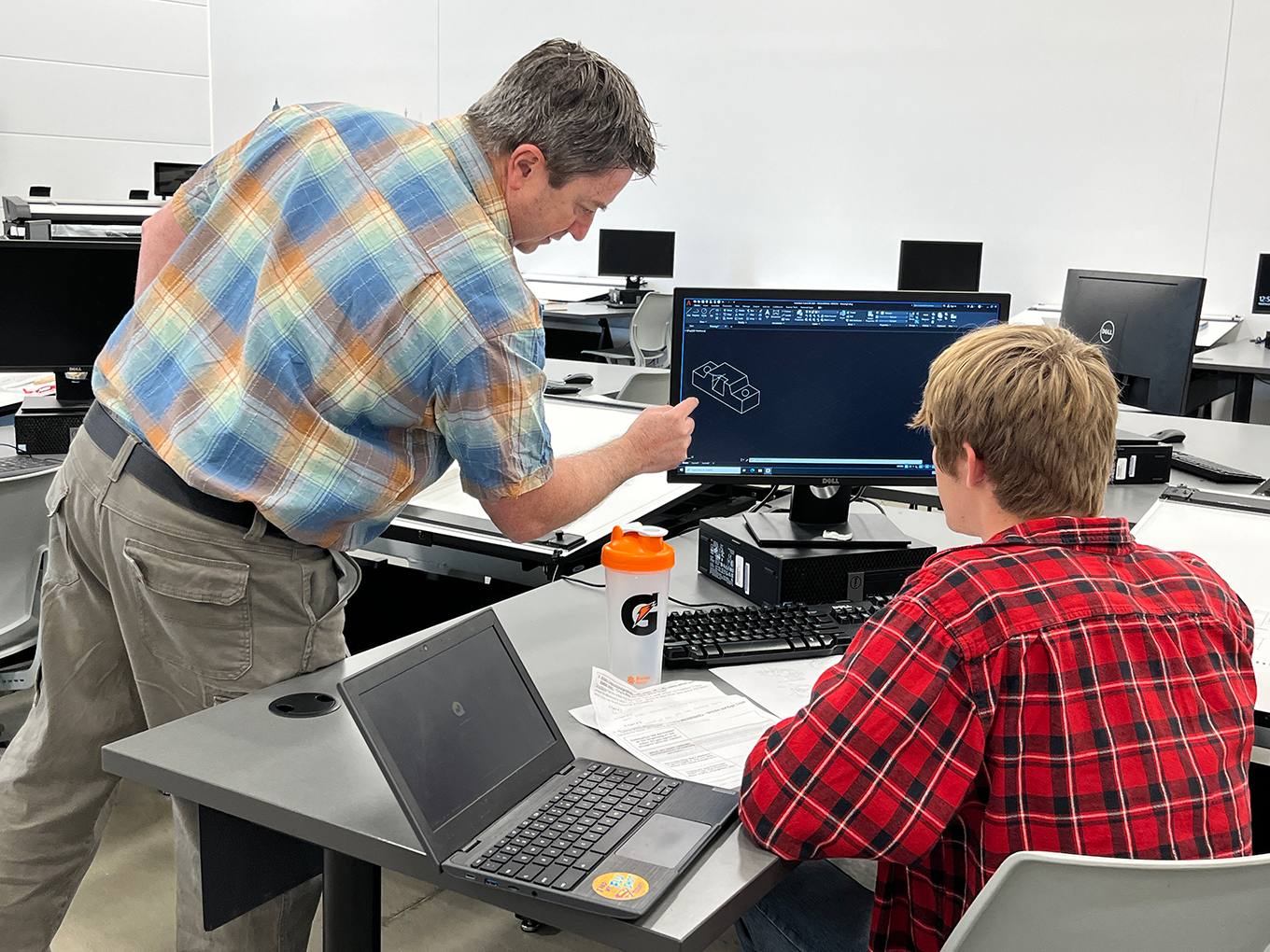
Instructional Friction Persists After Formal Training
Layered lab schedules and intermittent equipment downtime contribute to uneven lesson pacing across classes. Adjustments to routines and varied management techniques produce inconsistent expectations between periods.
These patterns reflect the complexity of applying established instructional frameworks in dynamic settings, indicating that CTE training provides core preparation that benefits from targeted reinforcement during daily classroom execution demands.
Coaching during live lessons extends formal training by sharpening transitions, reinforcing safety procedures, and tightening alignment between tasks and assessments while instruction continues. Focused coaching cycles strengthen the application of existing skills, improving consistency across periods.
Short cycles centered on one routine, paired with a limited set of performance indicators, support measurable refinement without duplicating workshop-based instruction.
Feedback Lacks Structure and Follow-Through
Observations often finish without scheduled coaching conversations, leaving teachers unsure which change to prioritize. Notes sit in files or email threads without a short action or timeline, so suggestions become disconnected reminders instead of steps that improve classroom practice.
Linking each observation to a specific action, a timeframe, and a measurable indicator turns feedback into a defined improvement path. Embed follow-up into regular planning meetings, keep a one-page progress log, track task completion, safety checkpoints, and student performance samples, and use brief classroom check-ins to confirm small changes in practice; begin by agreeing on one measurable action and a date to review progress.
Confidence Shifts With Each Instructional Challenge
Unscheduled lesson reviews leave teachers without documented evidence of instructional decisions and outcomes. Gaps in records limit evaluation of pacing, assessment checks, and safety procedures against observable results. Without a consistent process for reviewing instructional artifacts, decisions rely on impression rather than verified performance indicators.
A brief post-lesson review process anchors instructional decisions in documented evidence rather than impression. Coaches and teachers examine one artifact, identify a single adjustment, and define a brief follow-up interval.
This process stabilizes instructional decision-making and links judgment to documented practice. Scheduling a short review after classroom visits supports consistency without expanding workload or duplicating formal training.
Technical Skill Outpaces Instructional Application
Routine task completion often outruns structured assessment timelines in CTE labs, so students finish projects without demonstrating progressive mastery. Teachers with deep industry skill may prioritize workflow and tool proficiency while overlooking alignment between tasks and measurable outcomes, consistent safety checkpoints, and staged skill progression that support credential readiness and repeatable assessment data.
Instructional alignment improves when assessment design and skill verification receive the same attention as task completion. Coaches focus work on defining observable competencies, aligning rubrics to tasks, and embedding routine safety verification.
Short adjustment cycles compare student artifacts and grading patterns; begin by revising one assessment and reviewing two data points to confirm impact.
Professional Growth Happens in Isolation
Sparse job-alike colleagues in many districts mean teachers lack nearby mentors. That constraint forces teachers to troubleshoot curriculum, assessments, and shop routines alone, slowing progress and producing inconsistent practices between classrooms.
When educators cannot compare student work or trial common rubrics, minor gaps persist and uneven student skill growth follows.
Embedding ongoing coaching into weekly practice builds shared accountability through co-planning, paired observations, and short follow-up cycles tied to a single measurable goal. Coaches and peers use one-page logs and artifact collections to verify that adjustments improve task alignment, safety checks, or assessment consistency. Begin with a biweekly co-observation and a shared rubric to align development with daily classroom demands.
Clear signs point to coaching when workshops stop translating into daily practice. Lingering instructional friction, vague feedback, wavering confidence, and gaps between technical skill and classroom application all show up during live lessons, not in theory sessions.
Ongoing coaching responds in real time, tying feedback to action steps, short review cycles, and visible evidence from the classroom.
Pairing coaching with brief peer check-ins keeps growth from happening alone.
Start small: pick one routine, define one measure, set one review date, and let steady follow-through drive consistent results across programs, teachers, and student outcomes over time.


