Dental offices generate various types of waste, including hazardous materials that require proper disposal to ensure safety and compliance. Proper dental waste disposal protects both public health and the environment, making it crucial for dental professionals to be well-informed.
Understanding the regulations and best practices for handling waste can prevent legal issues and promote a responsible practice.
Failure to dispose of dental waste correctly can result in serious penalties and damage to a practice’s reputation. Dental professionals must familiarize themselves with local and federal regulations to avoid costly mistakes.
Ensuring compliance not only safeguards patients and staff but also fosters trust within the community.
This blog post will explore essential information regarding safe and compliant dental waste disposal. It will cover the types of dental waste, relevant regulations, and effective disposal methods that can be implemented in everyday practice.
By gaining insights into these key areas, dental professionals can maintain high standards of safety and compliance.
Understanding Dental Waste
Dental waste consists of various materials generated during dental procedures. Proper identification and management of this waste are crucial for maintaining safety and compliance with regulations.
Types of Dental Waste
Dental waste can be categorized into several types:
- General Waste: Non-hazardous items like paper and plastic packaging.
- Infectious Waste: Materials that may contain pathogens, such as used gloves, masks, and patient materials.
- Sharps Waste: Items that can puncture skin, including needles and blades.
- Chemical Waste: Dental materials containing hazardous substances, such as amalgam and certain disinfectants.
Each category requires specific handling procedures to ensure safety and compliance.
Risks and Hazards
Improper disposal of dental waste poses significant risks.
- Infection: Infectious waste can lead to the spread of diseases if not handled correctly.
- Injury: Sharps waste can cause needlestick injuries, leading to potential bloodborne infections.
- Environmental Impact: Chemical waste can contaminate soil and water, posing threats to public health.
Understanding these risks helps dental practices implement effective waste management strategies. Regular training and compliance checks are essential for minimizing hazards associated with dental waste.
Legal Framework for Dental Waste Disposal
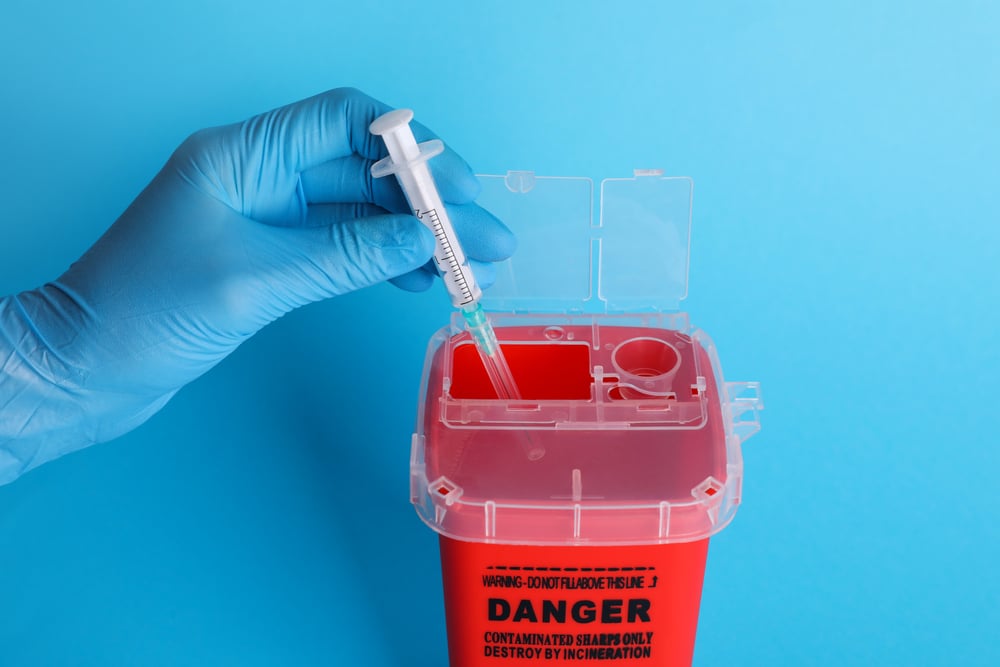
The legal framework for dental waste disposal is essential for the safe handling and disposal of potentially hazardous materials. Understanding international regulations and local compliance requirements ensures that dental practices adhere to the necessary guidelines.
International Regulations
International regulations for dental waste disposal are shaped by various treaties and guidelines established by organizations such as the World Health Organization (WHO) and the United Nations Environment Programme (UNEP). These regulations emphasize minimizing the environmental impact of dental waste.
Key points include:
- Waste Classification: Dental waste must be categorized, including general waste, hazardous waste, and infectious waste.
- Guidelines: WHO provides best practices for waste management in healthcare settings, including dental practices.
- Transboundary Movement: International laws regulate the transport of hazardous waste across borders to prevent illegal dumping.
These regulations aim to protect public health and the environment by ensuring proper disposal methods are followed globally.
Local Compliance Requirements
Local compliance requirements vary by region and jurisdiction but are generally based on stringent federal and state laws. Regulations can include specific guidelines on the collection, segregation, storage, and treatment of dental waste.
Important aspects include:
- Licensing: Dental practices must obtain appropriate licenses for waste disposal from local or state authorities.
- Documentation: Accurate records of waste disposal, including manifests and treatment certificates, are often required.
- Inspections: Regular compliance inspections by environmental or health authorities are standard to ensure adherence to local laws.
Practices must stay informed about local regulations and updates to maintain compliance and avoid penalties.
Best Practices in Dental Waste Management
Effective dental waste management requires adherence to specific practices that ensure safety and compliance. It involves proper segregation, appropriate disposal methods, and strategies for reducing waste generation.
Segregation and Storage
Proper segregation is fundamental to dental waste management. Different types of waste must be separated at the source. This minimizes contamination and ensures regulatory compliance.
Types of waste to segregate include:
- Infectious waste: Such as extracted teeth and used gloves.
- Non-infectious waste: Like packaging materials and non-contaminated paper.
- Hazardous waste: This category includes chemicals and sharps.
Each type of waste should have a clearly labeled container. Containers must be sturdy and leak-proof to prevent spills. Additionally, they should be stored in a designated area away from regular waste to avoid cross-contamination.
Disposal Methods
Disposal methods vary based on the waste type. Following appropriate regulations is crucial to ensure safe disposal.
- Incineration: Common for infectious and hazardous waste, incineration effectively destroys pathogens and reduces waste volume.
- Autoclaving: This method is used for sterilizing instruments and can also be applied to infectious waste before disposal.
- Landfill disposal: Non-hazardous, non-infectious waste can often be disposed of in regular landfills. Compliance with state regulations is necessary to ensure this method’s acceptability.
It is essential to maintain records of waste disposal methods used, including dates and amounts, to provide documentation and traceability.
Reducing Waste Generation
Strategies for reducing waste generation are vital in maintaining sustainability. Dental practices can implement several measures to decrease waste output.
- Digital records: Transitioning from paper to digital forms for patient records reduces paper waste significantly.
- Reusable instruments: Utilizing reprocessed dental tools minimizes the need for single-use items, thus lowering overall waste generation.
- Bulk purchasing: Opting for larger quantities of supplies can reduce packaging waste over time.
Training staff on waste minimization practices is also essential. Regular assessment of waste generation activities can help identify areas for improvement, making waste management more efficient.
Training and Education
Training and education are crucial for ensuring that dental staff handle waste disposal correctly and comply with regulations. A well-structured training program fosters awareness and promotes safe practices throughout the dental facility.
Staff Training Programs
Staff training programs should be comprehensive and tailored to meet the specific needs of dental practice. New employees must undergo training that covers the types of waste generated, collection procedures, and disposal methods.
Key topics to include are:
- Identifying Hazardous Waste: Understand what constitutes dental waste that requires special handling.
- Proper Segregation: Learn how to correctly separate different types of waste — sharps, amalgam, and general waste.
- Emergency Procedures: Train on what to do in case of a spill or exposure.
Regular assessments through quizzes or practical demonstrations can reinforce knowledge retention.
Continuous Improvement
Continuous improvement is essential for maintaining compliance and enhancing waste management practices. Regular training updates should reflect changes in regulations or advancements in disposal technologies.
Encouraging feedback from staff helps identify areas for improvement.
Implementing the following can aid in this effort:
- Regular Workshops: These can focus on best practices and new developments in dental waste management.
- Performance Metrics: Monitor disposal performance and compliance rates to identify trends and areas for enhancement.
By fostering a culture of education and improvement, dental practices ensure that their waste disposal methods remain effective and compliant.