Key Takeaways
- Understand the pivotal role of asphalt paving in urban infrastructure.
- Learn about sustainable practices revolutionizing the asphalt paving industry.
- Discover emerging trends and technologies in asphalt paving.
Introduction
As urban populations continue to escalate, the demand for infrastructure that can accommodate growth while being environmentally responsible has never been more critical. A central component of this infrastructure is asphalt paving, which is utilized extensively for its durability and flexibility.
This material is pivotal for creating roads that endure the test of time and is also being embraced for its potential to contribute to sustainability goals.
When evaluating solutions provided by Clark, NJ paving contractors, one can see a blend of tradition and innovation necessary for urban development’s future.
Asphalt paving, with its long-standing reputation for being a reliable paving solution, is evolving. This evolution is fueled by the necessity to address environmental concerns and integrate advancements that make it a staple for sustainable urban infrastructure.
From implementing recycled materials to applying advanced technologies, asphalt continues to be a cornerstone in the ever-shifting landscape of city infrastructure.
Sustainable practices pave the way for their future roles in urban development, ensuring that cities remain livable and vibrant while minimizing their carbon footprint.
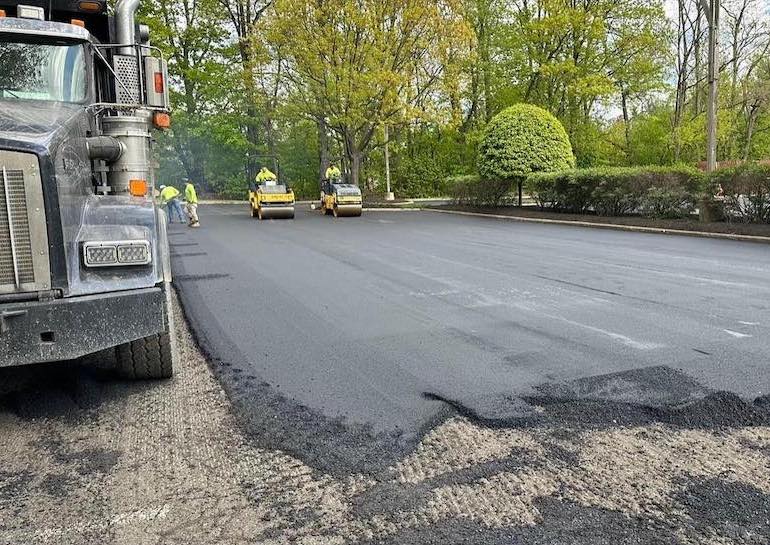
The Rise of Asphalt Paving in Urban Planning
Asphalt paving has long been recognized as a fundamental component of urban planning, offering an ideal balance of strength and flexibility for accommodating various vehicular loads and weather conditions. Historically, extensive use of asphalt can be traced back to ancient civilizations, yet its modern applications are vastly different.
As urban areas work to accommodate expanding populations, the effectiveness and versatility of asphalt have grown increasingly important. EIN Presswire says rising road traffic is a key driver transforming the asphalt pavers market.
This underscores the increasing demand for efficient road construction solutions to keep pace with urban growth.
Presently, metropolitan areas are expanding horizontally, vertically, and in complexity, which adds pressure on transportation networks and emphasizes asphalt’s role in maintaining seamless and sustainable transportation infrastructure.
Benefits of Asphalt Paving
- Durability and Cost-effectiveness: Asphalt is renowned for its capacity to withstand substantial traffic volumes and harsh environmental elements while maintaining a smooth surface. This durability translates into fewer repairs, ultimately presenting a cost-effective solution for cities mindful of budget constraints.
- Quick Installation and Maintenance: Asphalt is quickly deployed compared to concrete and other traditional paving materials. Such expediency is crucial in urban settings where minimizing road closure times and reducing disruption is paramount.
- Environmental Considerations: The advent of recycling asphalt has opened doors to sustainable practices that meet the increasing societal demand for eco-friendly solutions. By incorporating Recycled Asphalt Pavement (RAP), cities reduce waste and conserve resources, a step towards a circular economy.
Sustainable Practices in Asphalt Paving
The demand for greener urban planning has led to the adoption of many sustainable practices in the asphalt paving industry.
One significant development is incorporating recycled materials, which helps conserve raw resources and reduce construction waste.
Additionally, warm-mix asphalt technology has emerged as a transformative advancement. It lowers the production temperature of the asphalt mixture, resulting in reduced energy consumption and fewer greenhouse gas emissions.
The National Asphalt Pavement Association advocates for practices that align with broader sustainability goals, providing valuable insights into these methodologies.
Emerging Technologies in Asphalt Paving
As the industry embraces the digital age, new technologies are becoming catalysts for change in asphalt paving. Among these are smart paving systems that integrate technology with traditional paving methods.
These systems can analyze traffic flow, weather conditions, and usage data to drive road maintenance and traffic management decisions.
This technological paradigm shift transforms urban infrastructure management from reactive to proactive, improving reliability and lifespan.
Role of Asphalt in Modern Urban Infrastructure
Aside from paving roads, asphalt plays a pivotal role in the structural integrity of entire transport networks. This adaptability significantly enhances urban resilience, creating surfaces that can withstand the vicissitudes of time and climate.
Evaluating cases like New York City exemplifies how strategically deploying asphalt supports daily commuter use and strengthens the city’s overall transportation resiliency, helping to withstand natural disasters and reduce maintenance overheads.
Challenges and Solutions in Asphalt Paving
While beneficial, the use of asphalt does come with environmental challenges. Traditional paving methods often contribute to the urban heat island effect, where cities become significantly warmer than their rural surroundings.
Innovative solutions, such as more astonishing pavement technologies, which use materials designed to minimize heat absorption and optimize thermal emissions, can sway this phenomenon.
Additionally, by refining production processes, the sector is making strides in reducing carbon emissions, underscoring a commitment to environmental stewardship without compromising quality or performance.
Future Trends in Asphalt Paving
Predicting future trends in asphalt paving involves envisioning a world where urban planners leverage technically advanced materials that foster ecological integrity and infrastructural robustness.
Emerging materials and innovative designs promise to decrease environmental impact even further.
These developments assure policymakers and industries alike that the trajectory of urban infrastructural development will continue to meet the demands of both present and future generations while aligning with global sustainability aspirations.
Conclusion and Moving Forward
Asphalt paving remains an indispensable element of sustainable urban infrastructure in a rapidly urbanizing world.
Its evolution through innovative, eco-friendly practices speaks volumes of its adaptability and enduring relevance.
Moving forward, the challenge lies in maintaining the delicate balance between infrastructural expansion and environmental conservation—ensuring that cities can grow responsibly and sustainably.