One of the important things business owners need to do in today’s ever-changing work culture is to create an efficient and functional workspace. The appropriate workspace boosts productivity, worker satisfaction, and success rates. But how can one design an office space that maximizes efficiency and functionality without skimping aesthetic appeal?
The secret lies in knowing the most effective space planning strategies that have worked for most companies. Here are some proven techniques that can help transform a standard office environment into a positive workspace.
Assess the Available Space and Needs
The first step to creating a functional workspace that benefits users is to conduct a detailed analysis of the workspace. Some critical factors to consider include the shape and size of the office, ventilation, and natural lighting. It is also essential to determine if there are any special requirements for teams depending on their roles, departments, and future growth plans.
Although experienced commercial construction experts can help analyze and design the space, employees should also be engaged in this process to accommodate their preferences and needs. This ensures that the final design aligns with work habits and fosters productivity.
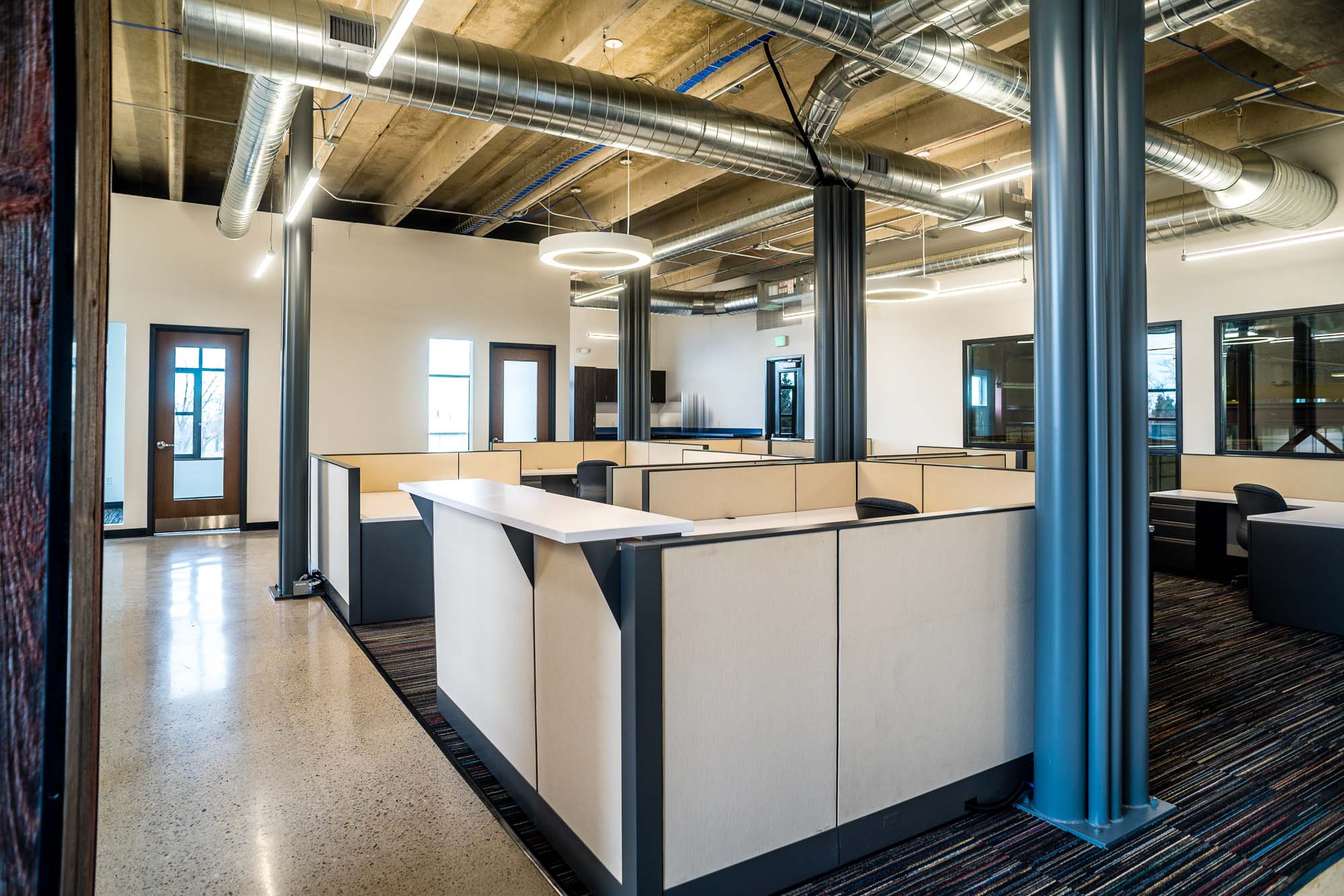
Choose a Suitable Office Design
When selecting the office design, it is important to remember that each company is different, so the approach and style will vary.
What works for one company may not be ideal for another, even if the companies are in the same industry. Each company must pick a design to inspire them and showcase their corporate culture.
Biophilic design is common today in many workplaces. It helps bring the natural world indoors, resulting in a healthier and more inspiring work environment.
Designers incorporate natural elements like water features, greenery, and raw materials that can provide a calming atmosphere. This design minimizes stress levels, enhances air quality, and sparks creativity.
Another option is acoustical design, suitable for companies that want to avoid distractions. With the right acoustics, a company can create a work environment that enables workers to focus on their work without external influence.
Depending on the overall goal of the office space, business owners can also consider ergonomic office design, activity-based working design, modular design, and collaborative design.
Incorporate Privacy and Quiet Zones
Regardless of the office design, providing spaces for private, focused work is equally important. Ask the experts to designate individual work pods or a designated quiet area that allows employees to concentrate without distractions. This is particularly important for those who choose the Biophilic design.
Adding sound-absorbing materials like noise-cancelling systems or acoustic panels will create a peaceful environment. It is advisable to balance common areas with private and quiet ones to enable workers to switch between different work modes without compromising productivity.
Integrate Technology
Integrating technology in the office can enhance productivity and improve efficiency. Consider incorporating charging stations, power outlets, and wireless connectivity to support the use of tablets, laptops, and smartphones.
Advanced technology solutions like climate control and automation of lighting for efficiency and comfort can also help motivate workers and improve their productivity.
Planning an office space does not have to be difficult as long as one knows what their employees need and selects a suitable office design.
It is also important to assign the work to seasoned professionals who can create a harmonious environment that can inspire employees to be more productive.