


The history of Angus cattle is a story rooted in the agricultural traditions of Scotland and a tale of a breed’s rise to global prominence. Renowned for their hardiness, superior meat quality, and distinctive appearance, angus cattle breed is now a cornerstone of the international beef industry.
Understanding the origins and key traits of these animals provides insight into why they are so highly valued today.
The Origins and Development of Angus Cattle
The origin of angus cattle can be traced back to the counties of Aberdeenshire and Angus in northeastern Scotland. This region’s harsh climate and rugged terrain played a crucial role in developing the breed’s legendary resilience and adaptability.
The angus cattle origin is often associated with Hugh Watson, a Scottish farmer who, in the early 19th century, began selectively breeding the best black, hornless cattle in the area. His efforts are considered foundational to the modern Angus breed.
The question of where did angus cattle originate is therefore answered firmly in the rural landscapes of Scotland.
While the most famous variety is the solid black coat, the red angus cattle origin is a separate but related part of the breed’s story. For a long time, the dominant black color was the only one officially recognized.
Red-coated Angus cattle were not registered until the 1950s, when breeders recognized their value and formed a separate association for the red variant. Today, both black and red Angus are highly prized for their qualities.
The Defining Angus Cattle Characteristics
There are a number of key facts about angus cattle that distinguish them from other breeds. Their most notable trait is the absence of horns, a characteristic known as being “polled.”
This is a desirable trait for ranchers because it reduces the risk of injury to other animals and handlers.
Another defining feature is the uniform black or red color of their coats. The angus cattle color is a key identifier, and the two color varieties, black angus cattle and red angus cattle, are registered and managed separately in many regions.
In terms of their physical characteristics, angus cattle size is known for being moderate, making them efficient feeders and easy to handle. They are known for their strong maternal instincts, longevity, and docility, which makes them a favorable choice for many ranchers.
The combination of these attributes, which are all part of the characteristics of angus cattle, has made them a popular choice for commercial beef production and breeding.
The Commercial Market for Angus Cattle
The primary purpose of the breed is clearly answered what are angus cattle used for: beef production. The meat is widely regarded for its exceptional marbling, tenderness, and flavor, which has made black angus cattle a premium brand in the food industry. Because of these qualities, there is a strong demand for angus cattle for sale across the globe.
For those looking to start or expand a herd, there are many options available. For instance, in a large agricultural state, a search for angus cattle for sale in texas would yield a wide variety of breeders offering both black and red angus cattle for sale.
For buyers who want to ensure the genetic quality of their animals, purchasing registered angus cattle for sale is a crucial step. A registered animal has documented lineage and adheres to the standards of the breed association, guaranteeing its authenticity and quality.
Angus beef is holding steady as the most popular beef of choice among Americans and for many others across the world, but what do we really know about the history of the Angus beef cattle? In this article, we will explore America’s breed of choice when it comes to the beef cattle industry.
Read on for eight facts about Angus beef cattle.
1. The Angus Cattle Breed Hails from Scotland
When it comes to the northeastern part of Scotland, there is no shortage of grazing land for cattle. It is plentiful as well as beautiful, and it spawns across several counties in Scotland, including Banff, Kincardine, Aberdeen, and, of course, Angus.
Not only are there plenty of green, grassy, grazing areas throughout Scotland, but the climate in the northeastern part of the country also allows for moderate temperatures and a very fertile growing season. This means it is a great place to raise and produce a very versatile breed of cattle that is hardy, strong, and durable.
The Angus cow became very prevalent in the Strathmore area of the country, which happens to be located in Angus County, so it seemed fitting to give this breed the same name of Angus. This area is known for wonderful grazing grasses as well as amazing food crops.
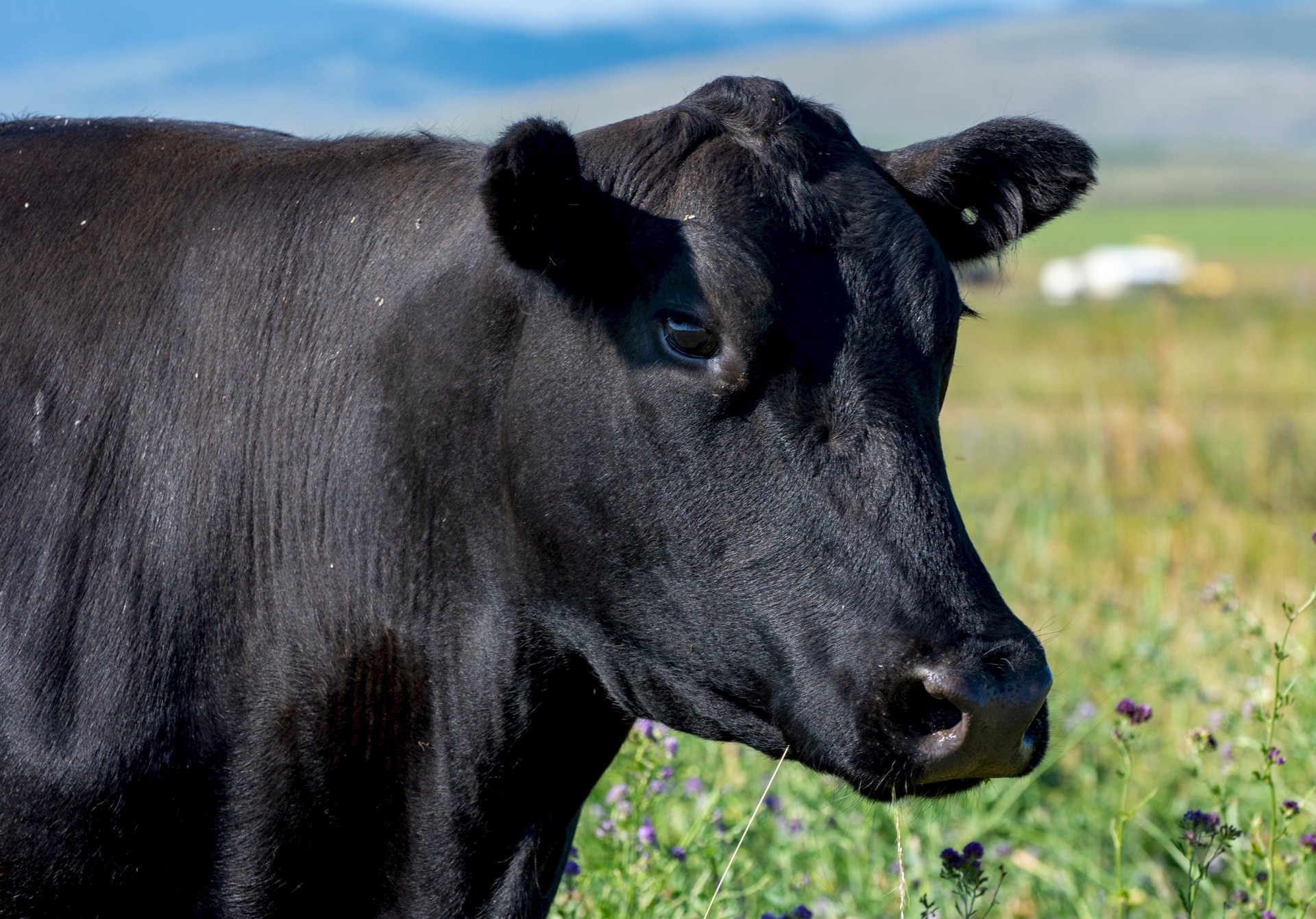
2. Hails from Scotland
The Black Angus breed came to the United States, to Victoria, Kansas, to be exact. It was George Grant who brought some of this amazing breed over from Scotland in 1874. Ranchers, farmers, and producers alike decided they liked this particular breed and began to buy them up so they could breed and sell them.
3. Appropriate for the Weather
One of the reasons that many farmers, breeders, ranchers, and producers enjoy raising Angus beef cattle is due to the fact that they do well in many types of climates.
They are very hearty when it comes to their weight and are able to withstand cold weather conditions as well as warmer ones.
They do not require a high level of maintenance since they do not have horns and will not tear up the farmer’s land, fencing, or barns.
4. Hornless Cattle
It may not be a big deal to some, but to farmers and producers, hornless cattle are always better than cattle with horns for a multitude of reasons. The Angus breed is one of three English cattle breeds that does not sport horns.
Sometimes referred to as the Aberdeen Angus breed, these polled cattle fit in well with their two counterparts, which are the Galloway and Norfolk breeds in the United Kingdom. In other words, those two breeds are hornless also.

5. Producers and Farmers Love Hornless Breeds
As stated above, there are many reasons why producers and farmers like to have breeds of cattle that are hornless. One of those reasons is that it saves them money.
This is because many cattle with horns tear up fences, barns, and other things on their farms and ranches and then are able to escape.
This means the farmers have to fork out a ton of cash to replace those items that the cows with horns broke down and also the energy that they have to waste on trying to round them up after they escape.
This also costs them time and farmers and ranchers are also business people who do not have time to waste. By raising Angus beef cattle, they are able to avoid these situations completely.
6. The Best of the Breed
The Conley Express Black Angus Bull is considered to be the best black Angus bull to purchase for farmers, producers, and ranchers of beef, according to the latest statistics.
Many of these breeds can be found in Utah, North and South Dakota, and, of course, Montana, as well as other states. The reason this breed is top of the line is that they continue to thrive in many of the harsher weather conditions of the northwestern states.
7. Higher Prices, More Profits
According to the latest market data, Black Angus beef can bring farmers, ranchers, producers, grocery stores, and restaurants up to 15 percent higher prices than other types of beef on the market.
This means a higher profit margin for these entities, especially the farmers, producers, and ranchers who raise these amazing beef cattle.

8. The Cost of Black Angus Beef
Black Angus bulls can mean big profits for farmers, ranchers, and producers since the typical price range for breeders is between $5,000 and $8,000.
During one recent sale in Montana, a black Angus bull known as Cowboy Up was sold for a whopping $350,000.
The previous highest price for a sale of an Angus bull was at around $100,000.