So, you’re thinking about getting into laser welding? First off—nice. You’re stepping into one of the coolest, most precise corners of the metalworking world. Whether you’re a hands-on DIYer, a weekend tinkerer, or you’re eyeing this for professional use, learning the ropes of laser welding can seriously level up your game.
But let’s be real—figuring out which machine to get, what kind of laser source is best, and what exactly you’re supposed to do with all those settings can feel like a lot at first.
That’s why I put together this beginner-friendly guide. It’s got everything I wish I knew when I started out: what features to look for, which techniques work best where, and some solid real-world context.
And hey, if you’re already poking around the internet for a Laser welder for sale, this’ll help you shop smarter too.
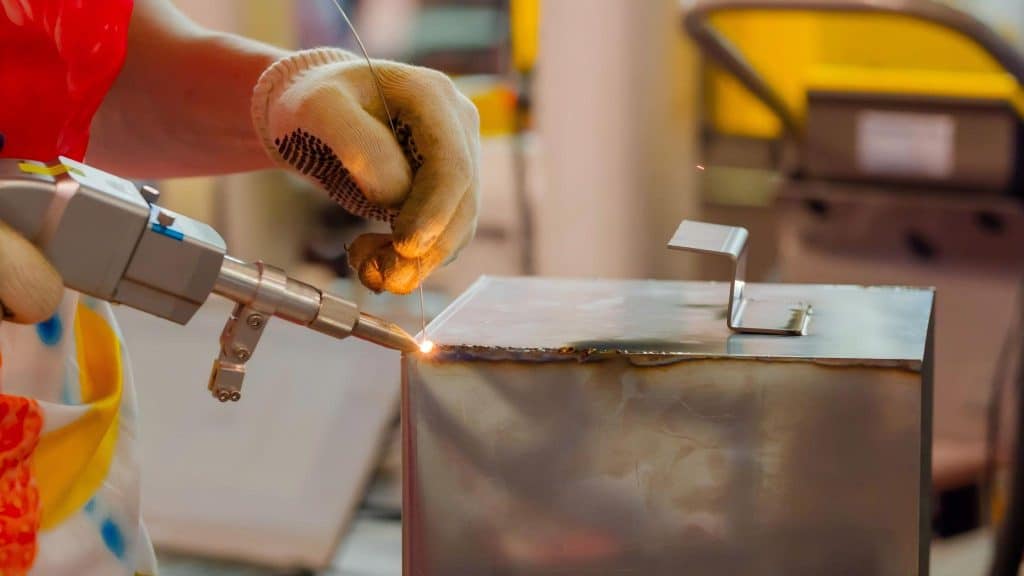
Source: https://denaliweld.com/4-types-of-welding-fixtures-you-need-to-know/
Key Features of Laser Welders
Alright, let’s start with the basics. Not all laser welders are created equal, and depending on what you’re planning to do, some features might matter way more than others.
Laser Source Types
Laser welders come with different “engines,” so to speak. You’ve got:
- Diode lasers: Small, efficient, and perfect if you’re working on light-duty stuff. Not a bad intro option.
- Fiber lasers: The rock stars. Fast, sharp, and great with metals like stainless steel. Super popular in industrial settings.
- CO₂ lasers: Big energy, big impact. Better for thicker materials or special applications. They’ve got some quirks, but when used right? Total powerhouses.
It’s kinda like picking between a compact car, a sports car, or a truck. They all go places, but they each shine in different situations.
Beam Characteristics
This is where things get a little nerdy—but it’s important. The size of the laser spot, the way it focuses, and how intense it is all play a part in how clean your welds turn out. If you’re after hairline precision (and who isn’t?), a tighter beam with high power density is your best friend.
Operating Modes
Two big ones to know: Continuous wave and pulsed.
- Continuous is the “cruise control” of welding—steady and solid, best for thicker joints.
- Pulsed is all about control and finesse. Think thinner materials or delicate welds that need more of a gentle touch.
Knowing which to use can save you from burning through your project—or your patience.
Interface and Controls
Nothing kills your motivation like a confusing interface. Seriously. Look for a machine with clear settings, easy adjustments, and maybe even a digital readout. You should feel like you’re in control, not trying to decipher a spaceship dashboard.
Support Systems
Cooling systems, fume extractors, safety shut-offs… not the most glamorous stuff, but absolutely essential. Good support systems protect your machine and your lungs. If you’re eyeing a laser welder for sale, make sure it comes with the full package—or at least leaves room to add it.
Types of Laser Welding Techniques
There’s no single “right” way to laser weld. It really depends on what you’re working with. Here’s the lineup:
Conduction Welding
Think of this as the gentle melt. It uses heat to fuse the surface of the material. Great for delicate pieces where you don’t want to warp anything.
Keyhole Welding
This one’s deeper—literally. It punches down into the material and creates a strong, lasting weld. You’ll see this in things like auto frames or heavy-duty equipment.
Spot Welding
Quick, focused, no-fuss. It’s like using a stapler for metal. Great for smaller parts or when you need multiple fast joints.
Seam Welding
As the name suggests, this creates a nice, continuous seam. Ideal for piping, tanks, and anything that needs to be leak-proof or structurally solid.
Hybrid Laser Welding
Laser meets traditional welding—the best of both worlds. If you’re doing work that needs strength and flexibility, this method’s got your back.
Remote Welding
Sounds sci-fi, right? But it’s real. The laser doesn’t touch the part directly. It’s used for huge projects, like ship hulls or anything too large to wrestle onto a bench.
If you’re narrowing down which technique you’ll need most, that’s a great starting point when looking at any laser welder for sale.
Types of Laser Welding Equipment
You’ve got options—some beefy, some handheld, some straight-up robotic. Here’s the lay of the land:
Stationary Laser Welders
Big, powerful, and built for consistency. If your work is repeatable and needs perfection every time, this is probably your best bet. But make sure you’ve got the space—they’re not exactly portable.
Handheld Laser Welders
These are like the Swiss Army knives of welding. Compact, surprisingly powerful, and easy to move around. Perfect if you’re doing custom jobs, touch-ups, or working in awkward spots.
Integrated Robotic Systems
Big leagues. Full automation. You set the program, and the robot handles the rest. They’re amazing for production lines, but definitely not a casual investment.
Applications of Laser Welders
Laser welding isn’t just a one-industry wonder—it’s used everywhere.
Automotive and Aerospace
From car bodies to airplane wings, lasers weld with strength and style. They’re precise enough to keep weight down while maintaining safety, which is a big deal when you’re flying at 30,000 feet.
Electronics and Medical Devices
Ever wonder how those tiny wires or surgical tools stay together without looking like they were zapped by a blowtorch? Yep—laser welders. Super clean, super precise.
Jewelry and Watchmaking
Lasers can handle detail work so finely that it feels almost artistic. No bulky seams or damage to delicate materials—just sleek, flawless joints.
Construction and Maintenance
You’d be surprised how handy a laser welder can be on a job site. From beams to braces to pipe repairs, it’s a fast, strong, and efficient solution, especially when you’re on a tight timeline.
Advantages of Laser Welding
Okay, here’s where laser welding flexes its muscles—especially when you’re working with a trusted system like Denaliweld:
Precision and Control
You can get down to the tiniest details without scorching everything around it. Perfect for work where aesthetics and structural integrity both matter.
Speed and Efficiency
No more waiting around. Lasers get the job done fast. Less time on each weld = more projects completed.
Clean and Aesthetic Results
Smooth, sharp, no cleanup. The welds look good right off the machine—no grinding, no filing, no sanding. Your pieces come out looking showroom-ready.
Versatility
Whether it’s thin sheet metal or thick plate steel, laser welders adapt. And that kind of range is why more folks are searching for a laser welder for sale that can tackle multiple types of jobs.

Limitations and Considerations
As cool as laser welding is, it’s not all sunshine and rainbows.
Cost
Let’s not sugarcoat it—these machines can get pricey. You can find entry-level models, sure, but if you want power, features, and durability, it’ll cost you. But hey, it’s an investment—especially if you’re planning to use it regularly.
Material Compatibility
Most common metals are a go, but some alloys get finicky. Do your homework and double-check your materials before buying.
Safety Requirements
These machines mean business. You’ll need laser-safe goggles, flame-resistant gear, and good ventilation. Skimping on safety? Bad idea. Like, really bad.
Getting Started with Laser Welding
Ready to light things up? Here’s how to hit the ground running.
Initial Setup
Find a clean, stable workspace. Plug everything in safely, adjust the focus for your material, and do a couple of test welds before going all-in.
Safety Protocols
Goggles, gloves, jackets—the whole nine yards. Set up fume extraction too. It’s not just smart; it’s non-negotiable.
Basic Operation
Start slow. Learn how the laser behaves. Adjust your settings, watch how the metal reacts, and practice on scrap until it clicks.
Maintenance Tips
Clean your lenses, check your cables, and replace anything that looks worn out. A few minutes of maintenance can save you hours of downtime later.
Conclusion
Laser welding isn’t just a new tool—it’s a new mindset. Once you start, you realize just how much cleaner, faster, and more precise your work can be. It opens doors to projects you might’ve shied away from before, and it makes the impossible suddenly feel doable.
So, if you’re already scouting around for a laser welder for sale, keep your goals in mind. What do you want to build? What do you want to fix? And more importantly, what kind of work do you want to love doing? Find the right machine, learn it well, and you’ll wonder how you ever welded without it.