


A tool belt is a vital companion for anyone in carpentry. How can you pick the perfect one to match your needs? What features make one option better than another? These questions often arise when deciding on this essential accessory for efficiency and convenience.
Choosing the right carpenters tool belt can feel overwhelming due to the many designs and materials available. Understanding your work habits, the tools you commonly use, and your comfort level can simplify the process significantly.
A well-suited option can enhance productivity and reduce unnecessary strain during long hours of work.
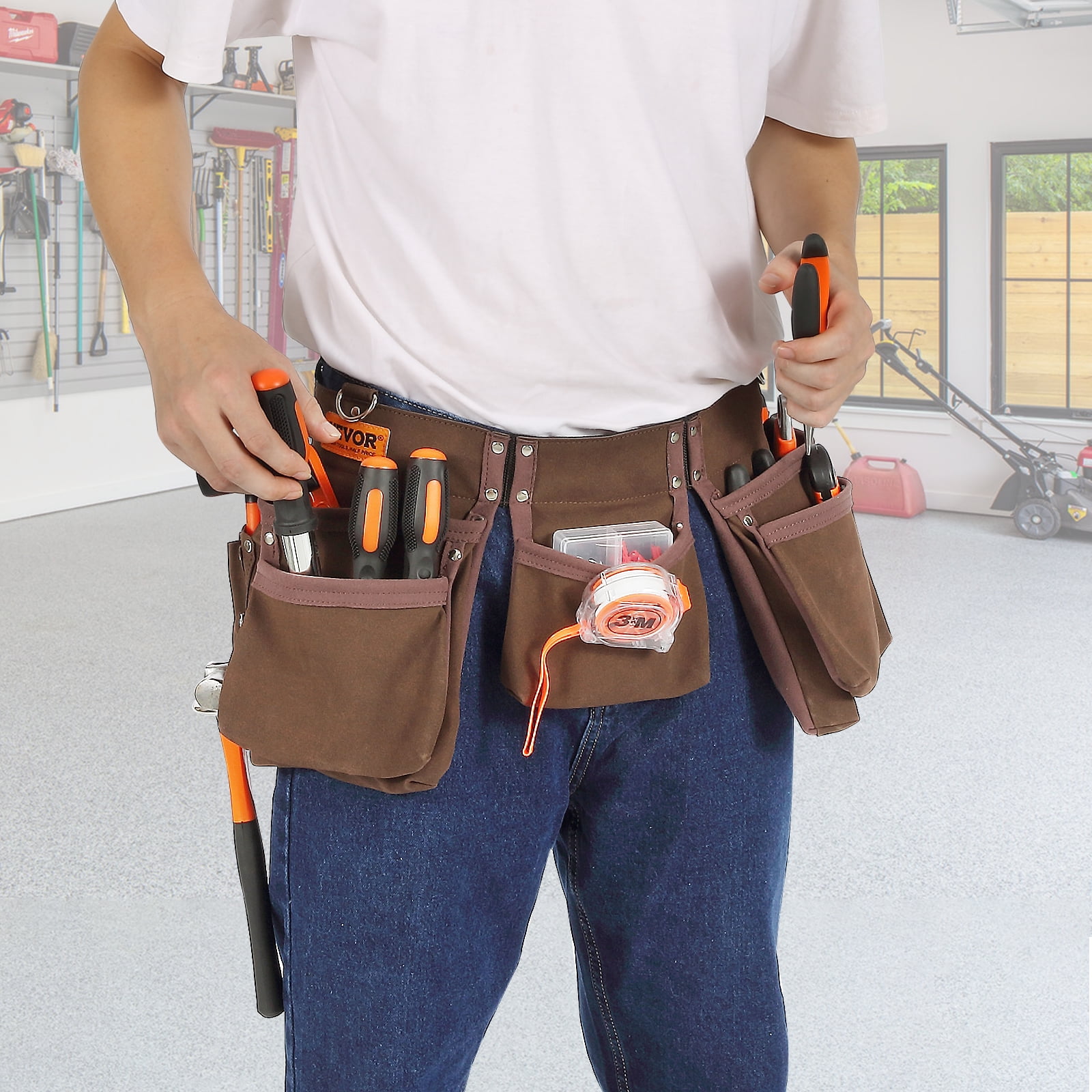
Consider Your Work Requirements
The first step in selecting the ideal option is identifying your specific needs. Every carpentry task demands a different set of tools. For large-scale projects, a belt with ample compartments ensures quick access to all essentials. On the other hand, smaller jobs may require a lighter design with fewer compartments.
- A lightweight option may suit tasks involving mobility.
- A heavy-duty model is perfect for projects requiring numerous hand tools.
- Designs with detachable pouches allow for flexibility when transitioning between tasks.
Material Choices Matter
The material of your belt impacts its durability, comfort, and overall performance. Leather is often preferred for its longevity and classic appeal, making it ideal for frequent use.
Nylon, canvas and polyester options, however, are lightweight and resistant to wear, offering excellent alternatives for occasional carpentry. When choosing materials, evaluate the following:
- Durability – Go for materials that withstand wear and tear.
- Comfort – Look for breathable fabrics or padded designs.
- Weight – Lightweight options may be better for prolonged use.
Each material type offers unique benefits, so choose based on your work environment and frequency of use. Durable options are ideal for heavy-duty tasks, while lightweight materials suit occasional use. Selecting the right type ensures better performance and comfort.
Focus on Design and Fit
A well-designed belt can significantly enhance your productivity by keeping essential items within easy reach. The number of pockets, arrangement, and adjustability plays a crucial role in its usability. Look for designs with reinforced stitching to handle heavier loads without sagging.
Proper fit is equally important. Ill-fitting belts can strain the waist and lower back, leading to discomfort. Adjustable straps and secure buckles ensure a snug and comfortable fit.
Some options include suspenders, which distribute weight evenly across the shoulders, reducing stress during prolonged use.
Pockets and Compartments: The Key to Organization
Having the right number and type of pockets is vital for efficient workflow. Think about how you arrange your tools.
Does your work demand deep compartments for heavier items or smaller ones for precision tools? Customizable pouches offer versatility, allowing you to tailor the layout to your needs.
Features to Look for in Compartments:
- Zippered Sections: Ideal for securing small items.
- Elastic Loops: Keep frequently used items in place.
- Specialized Holders: Dedicated slots for hammers or measuring tapes.
Weight Distribution and Comfort
Carrying tools all day can lead to fatigue if the belt is not designed for even weight distribution. Look for padded or contoured designs to enhance comfort during long hours. Wide straps and adjustable suspenders can help distribute the load evenly, minimizing strain. Features to prioritize include:
- Padded Waistbands – Reduces pressure on the hips.
- Adjustable Straps – Ensures a secure fit for various body types.
- Even Weight Distribution – Prevents one side from becoming heavier than the other.
Testing the belt before purchase can give insights into its comfort level and weight balance. Ensure it fits securely without restricting movement. A trial run helps determine if it meets your work needs effectively.
Selecting the right carpenters tool belt involves balancing comfort, functionality, and durability to suit your specific tasks. A thoughtfully chosen design not only improves efficiency but also enhances your overall work experience.
By prioritizing quality and thoughtful design, you can make your carpentry projects more streamlined and enjoyable.


