Introduction
Ever noticed how your hand lingers over a perfume box before you even open it? That’s not an accident—it’s art and psychology combined. Perfume packaging isn’t just about holding a bottle; it’s the first impression, the silent storyteller, and often, the deciding factor in whether someone buys it or not.
In a world where presentation can make or break a product, packaging boxes are no longer an afterthought—they’re the stage where the magic begins. Let’s dive into the enchanting world of perfume packaging and discover why these boxes matter far more than most people realize.
Table of Contents
| Sr# | Headings |
| 1 | The Power of First Impressions |
| 2 | The Psychology Behind Perfume Packaging |
| 3 | How Packaging Boxes Influence Buying Decisions |
| 4 | The Blend of Art and Functionality |
| 5 | Materials That Define Luxury |
| 6 | Color, Texture, and Typography: The Visual Symphony |
| 7 | Sustainability in Perfume Packaging |
| 8 | The Role of Branding and Storytelling |
| 9 | The Unboxing Experience: More Than Just a Moment |
| 10 | Cultural and Emotional Connections |
| 11 | Perfume Packaging Trends in 2025 |
| 12 | Customization and Personalization |
| 13 | How Perfume Boxes Reflect Brand Identity |
| 14 | Mistakes to Avoid in Perfume Packaging Design |
| 15 | Final Thoughts: The True Art of Perfume Boxes |
1. The Power of First Impressions
When it comes to perfumes, the box is your first conversation with the customer. Before they smell the fragrance, they see it. The texture, color, and shape of the packaging set the tone—much like a beautifully wrapped gift makes you eager to see what’s inside.
Think of it this way: your perfume box is like a handshake. A strong, stylish one conveys confidence; a weak one, not so much.
2. The Psychology Behind Perfume Packaging
Perfume packaging taps into human emotions. Studies show that people often associate design elements like gold, matte finishes, and embossed logos with luxury and trust.
A well-crafted perfume box can subconsciously tell a buyer, “This product is special.” That emotional trigger often drives purchase decisions faster than logic ever could.
3. How Packaging Boxes Influence Buying Decisions
Walk through a perfume aisle, and you’ll realize one thing: every brand is fighting for attention. Amidst the competition, packaging boxes serve as your product’s armor and charm combined.
If your box looks premium, customers assume the perfume inside is premium too. That’s how packaging directly impacts sales—by transforming interest into confidence and desire.
4. The Blend of Art and Functionality
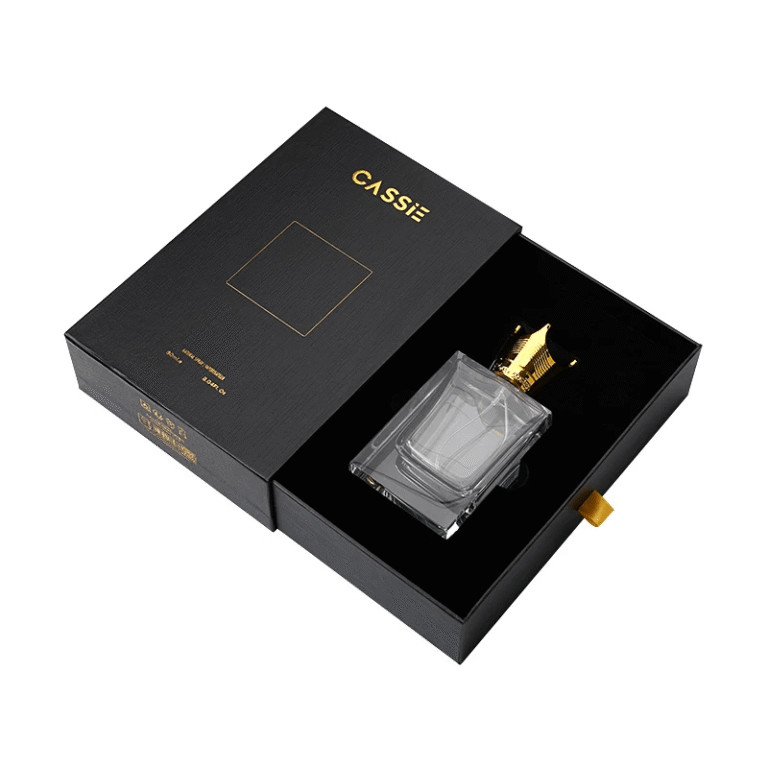
A perfume box isn’t just about beauty; it’s also about protection. After all, you wouldn’t want your elegant glass bottle breaking in transit.
Designers must strike the perfect balance between aesthetic elegance and functional durability. The ideal perfume box keeps the product safe while still feeling luxurious in hand.
5. Materials That Define Luxury
The choice of material plays a crucial role in shaping perception. Sturdy cardboard, rigid paperboard, and velvet or satin linings give a tactile sense of exclusivity.
High-end brands often use eco-friendly recycled materials while maintaining a luxurious feel—showing that sustainability and style can coexist beautifully.
6. Color, Texture, and Typography: The Visual Symphony
Colors evoke emotion. Soft pastels whisper elegance, while deep blacks and golds scream opulence. The typography—whether cursive, bold, or minimal—completes the visual identity.
Texture adds depth too. A matte finish feels modern; a glossy surface feels extravagant. When all three—color, texture, and typography—work together, they compose a visual symphony that delights the senses.
7. Sustainability in Perfume Packaging
Eco-conscious consumers now demand sustainability without compromising aesthetics. Brands are responding with biodegradable materials, minimalist designs, and refillable bottles.
Using recyclable packaging boxes not only protects the environment but also enhances brand reputation. Because today, luxury isn’t just about elegance—it’s about responsibility.
8. The Role of Branding and Storytelling
Every perfume has a story—romance, adventure, mystery, nostalgia. The packaging should whisper that story before the scent even unfolds.
For example, a rose-themed perfume might come in a soft pink box with embossed petals, hinting at the floral heart inside. The best brands turn their perfume boxes into silent storytellers that connect emotionally with their audience.
9. The Unboxing Experience: More Than Just a Moment
Unboxing a perfume should feel like an event, not a task. That satisfying lift of the lid, the soft touch of satin, the subtle gleam of gold—each detail adds to the anticipation.
Brands like Dior and Chanel have mastered this art. Their unboxing experiences are almost cinematic, designed to make you feel special even before you try the fragrance.
10. Cultural and Emotional Connections
Perfume packaging often reflects cultural values. In Middle Eastern markets, for example, bold gold tones and intricate patterns symbolize wealth and tradition. Meanwhile, Scandinavian designs focus on minimalism and simplicity.
Understanding cultural nuances allows brands to connect emotionally with diverse audiences—turning global appeal into local relevance.
11. Perfume Packaging Trends in 2025
Trends evolve, but elegance stays timeless. In 2025, expect to see:
- Minimalist designs with clean lines
- Eco-friendly innovations like compostable boxes
- Interactive packaging with QR codes for storytelling
- Textured finishes that enhance tactile pleasure
Brands are combining technology and tradition to create packaging that’s both smart and stunning.
12. Customization and Personalization
Consumers love products that feel made for them. Personalized perfume boxes—with engraved initials, custom colors, or handwritten notes—elevate emotional connection.
In a world full of mass-produced products, personalization adds a touch of intimacy that customers remember.
13. How Perfume Boxes Reflect Brand Identity
Think about iconic perfume brands: their boxes alone can tell you who made them. Chanel’s black-and-white elegance, Gucci’s floral romance, Dior’s golden allure—each box is a signature of brand identity.
When done right, packaging boxes become visual trademarks that need no introduction.
14. Mistakes to Avoid in Perfume Packaging Design
Even the most beautiful perfume can lose its charm with poor packaging. Common mistakes include:
- Overly complex designs that confuse the buyer
- Cheap materials that damage easily
- Inconsistent branding that weakens recognition
- Ignoring sustainability, which alienates modern consumers
Avoiding these pitfalls ensures your perfume box enhances, not harms, the product’s appeal.
15. Final Thoughts: The True Art of Perfume Boxes
Perfume boxes are more than containers—they’re emotion in cardboard form. They capture imagination, tell stories, and create connections long before the first spritz.
The art of packaging lies in balancing elegance, purpose, and emotion. Because at the end of the day, people may buy a perfume for its scent, but they fall in love with it through its box.
FAQs
1. Why is perfume packaging so important?
Because it’s the first impression a customer gets. A well-designed box can attract attention, convey luxury, and influence purchase decisions.
2. What materials are best for perfume boxes?
Rigid cardboard, recycled paperboard, and velvet linings are popular choices that combine strength, beauty, and sustainability.
3. How does packaging affect brand perception?
Packaging shapes how consumers feel about a brand. Premium boxes suggest quality and trust, while cheap ones can reduce perceived value.
4. Can eco-friendly packaging still look luxurious?
Absolutely. Many brands use recycled materials with elegant finishes to prove that sustainability and sophistication can coexist.
5. What makes a perfume unboxing experience special?
Attention to detail—smooth textures, elegant fonts, and thoughtful presentation—turns unboxing into a sensory experience that deepens emotional connection.