


Welding, as a job, is quite popular in the US. The country has over 400,000 welders, cutters, solderers, and brazers. Moreover, a welder earns around $22.85 per hour on average in the country.
That being said, is welding the best job in the world? Maybe not, but welding isn’t the worst job either. However, one thing we can say is that welding isn’t necessarily the safest job in the world.
Welding safety, of course, can be guaranteed when using the right equipment. That’s why many opt for the Miller electric MIG welders. They might be slightly pricey, but these welders do get the job done and, more importantly, they are safe.
Now, new professional welders are regularly entering this dynamic field. In fact, between 2023 and 2033, the employment of welders is predicted to grow by 2 percent. For them, the welding job is of course exciting but also comes with its share of challenges.
As you handle welding machines and refine your craft, safety must be at the forefront of your practice. This guide offers practical safety tips tailored for those new to the welding process.
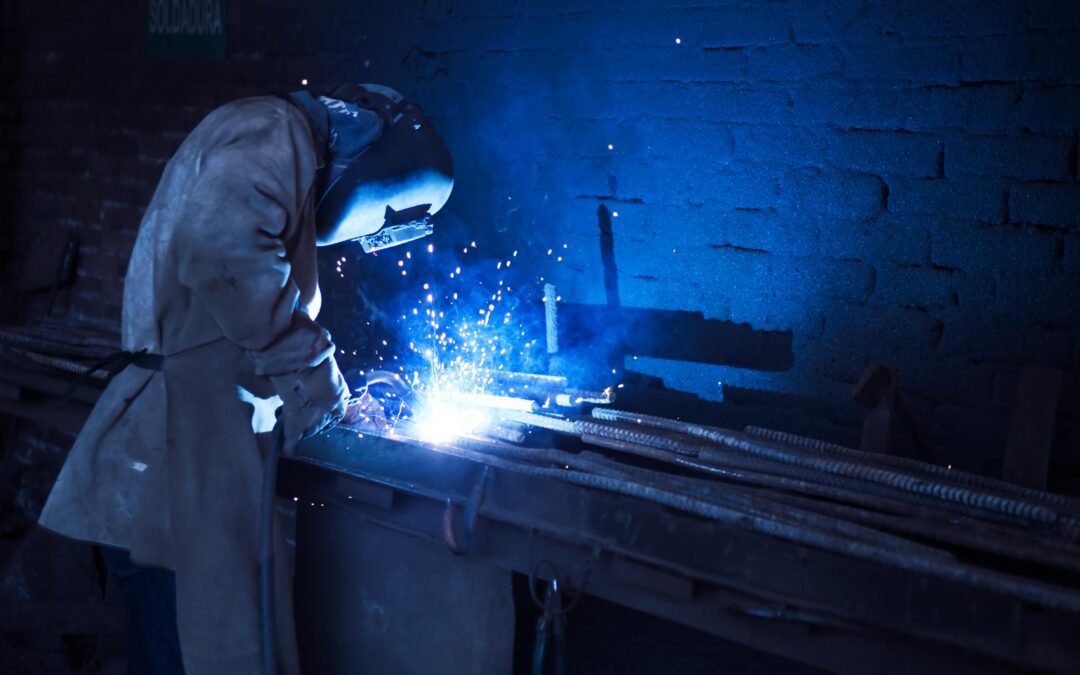
Choosing and Maintaining the Right Equipment
According to Welding Supplies from IOC, welders fear everything from fires to electrocution. Hence, for them, the foundation of safe welding begins with the tools that are being used.
Welding machines should be carefully selected based on the tasks at hand and properly maintained to prevent malfunctions. For instance, MIG welding machines require regular inspections to ensure optimal performance. Damaged cables, worn-out connections, and faulty components can increase the risk of accidents, so routine checks are non-negotiable.
Equally important is investing in high-quality personal protective equipment (PPE) for welding jobs. For new professional welders, understanding the purpose and proper use of each piece of equipment is critical.
Creating a Safe Work Environment
A well-organized workspace is essential for minimizing risks during the welding process.
Ensure your welding area is free from clutter and flammable materials. Poor housekeeping can lead to accidents, especially when dealing with high temperatures and sparks. Proper ventilation is another key factor, as welding produces fumes that can be harmful if inhaled over time.
Lighting also plays a significant role in safety. While welding machines generate intense light during operation, your workspace should have adequate ambient lighting to reduce eye strain and improve visibility.
For those working in shared spaces or industrial settings, clearly marking welding zones helps protect others from inadvertent exposure to sparks or fumes.
Mastering Techniques with Safety in Mind
For new welders, developing techniques is a gradual process that demands patience and practice. MIG welding, for example, is a go-to method for many because of its ease of learning and adaptability to different skill levels. However, even this relatively straightforward technique requires attention to detail to ensure safety.
Maintaining proper posture and positioning is crucial during welding. Awkward angles not only compromise the quality of your work but can also lead to physical strain or accidents.
Keep your workpiece stable and secure before starting the welding process. Also, always adhere to recommended settings for your welding machines based on the material and task. Overpowering your equipment can lead to overheating and unintended consequences.
Protecting Yourself from Long-Term Hazards
While immediate risks like burns and eye injuries are often the focus, professional welders must also guard against long-term health hazards. Exposure to UV radiation during the welding process can cause severe eye and skin damage without adequate protection. Always wear your helmet and ensure your skin is covered.
Inhaling toxic fumes is another significant concern, especially for new welders unfamiliar with the risks. Metals like stainless steel can release harmful particles when welded, necessitating the use of respirators or proper ventilation systems.
Understanding the materials you work with and their associated hazards will help you make informed safety choices.
Building Safe Habits for a Lifetime of Welding
As you gain experience in welding and your skill levels increase, it’s easy to become complacent. However, consistent adherence to safety practices is what separates professional welders from hobbyists.
Develop a routine that includes inspecting your welding machines, organizing your workspace, and reviewing safety guidelines before starting any project. Regular training and staying updated on industry standards can also enhance your safety knowledge.
Many organizations offer courses and certifications designed to keep welders informed about the latest techniques and safety practices. Even experienced welders benefit from periodic refreshers, as the industry evolves with new materials and technologies.
Frequently Asked Questions (FAQs)
What welding technique is best?
The best welding technique depends on the material, project, and skill level. MIG welding is ideal for beginners and general fabrication, while TIG welding offers precision for thin metals and stainless steel.
Stick welding is excellent for outdoor and heavy-duty applications, whereas laser and plasma welding are used for high-tech industries.
How to increase welding strength?
To increase welding strength, ensure proper joint preparation by cleaning the metal and removing contaminants. Using the correct welding technique, filler material, and heat settings helps achieve strong, consistent welds. Controlling cooling rates and preventing cracks through post-weld treatments like stress relieving or tempering also improves durability.
What makes welding so unsafe?
Welding is hazardous due to extreme heat, intense UV radiation, and toxic fumes. Sparks and molten metal can cause severe burns, while exposure to fumes from certain metals can lead to respiratory issues. Electric shock and fire risks also make proper protective gear and safety precautions essential.
Overcoming Challenges as a New Welder
Starting out as a professional welder can feel overwhelming at times, with a steep learning curve and numerous safety protocols to follow.
However, every seasoned welder was once a beginner. Embrace the challenges as opportunities to grow, and don’t hesitate to seek guidance from more experienced colleagues.
Learning to operate welding machines efficiently, mastering techniques like MIG welding, and navigating the complexities of safety measures are all part of the journey. Celebrate your progress and take pride in the skills you develop along the way.


