Los Angeles hillsides are getting closer attention this year because slope problems are harder for property owners to dismiss. Ground movement is a concern due to factors such as older drainage lines, heavier winter precipitation, and denser hillside construction.
Small cracks, leaning walls, and soft ground can now point to larger risks. As repair requests rise, owners need practical answers about what is changing, which warning signs matter, and how repair work should be planned.
This demand is tied to site conditions once treated as minor maintenance issues. Clogged drains, exposed footings, shallow slumps, and new seepage can push water into weak soil layers.
Owners often seek hillside repair services before a slope affects access, utilities, or nearby structures. Early review helps separate surface erosion from deeper movement that may need engineered support.

Rainfall Is Exposing Weak Slopes
Water drives many repair calls because hillside soil can store moisture deep below the surface. A slope rarely fails because of one storm. Trouble builds when repeated rain saturates clay, fills cracks, and adds weight behind walls. Pressure can then push soil outward or downward along older slip surfaces.
Damage may appear after skies clear, when driveways crack, stairways shift, or drains stop flowing. Roof runoff, broken pipes, clogged drains, and poor grading can send water into weak areas. Once fine soil washes away, small voids may form beneath pavement or near walls.
Aging Systems Have Less Margin
Many hillside properties were built before current grading and drainage practices became common. Older retaining walls might not have enough weep holes, cleanouts, or back drains. Certain foundations depend on shallow bearings, which are susceptible to erosion. Materials also weaken with time. Concrete cracks, steel corrodes, and timber members lose strength after long contact with damp ground. Age does not mean failure is certain, but it reduces the room for water, load, or soil changes.
Denser Use Raises Stakes
Hillside buildings are often asked to do more than they did years ago. Many of them now include expanded decks, accessory spaces, pools, larger patios, or added parking. Each change can alter drainage paths or increase load near a slope face.
Even small additions matter when ground is steep, layered, or poorly drained. Higher use also raises the cost of delay because one weak area can affect utilities, shared walls, access paths, and structures below.
Owners Are Spotting Early Clues
Owners are becoming better at noticing early signs. Cracks in flatwork, tilting posts, separated stairs, bowed walls, and doors that begin to bind all deserve review. These clues do not prove a slope is failing, but they show that movement or pressure may be present.
Drainage evidence can be just as important. Persistent seepage, muddy water near wall bases, fresh erosion channels, or soil collecting at the bottom of an incline can reveal where runoff is traveling. Dated photos and simple measurements help professionals judge whether changes are increasing.
Planning Has Become More Technical
Rising demand does not mean every site needs major construction. Good repair planning starts with the cause, not the surface defect. Patching a crack without managing water can leave pressure in place. Rebuilding a wall without checking soil depth can also miss the real issue.
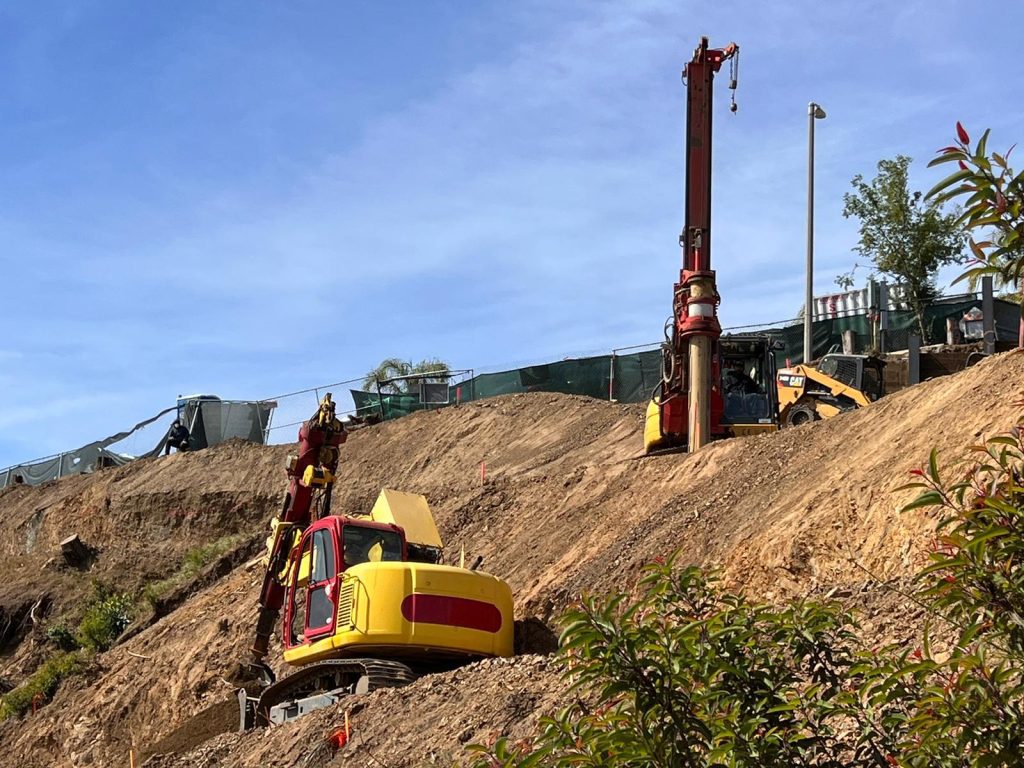
Useful planning should include the scope for drainage review, soil evaluation, access assessment, and clear sequencing for drilling, shoring, spoils removal, or material staging. Tight hillside sites need this step because equipment access and neighbor protection affect safety.
Earlier Action Limits Damage
Costs tend to climb when slope issues are ignored. Water can enlarge voids, weaken wall bases, and carry fine soil away from critical areas. Access can also worsen after movement begins. Cleaning drains, redirecting runoff, removing added loads, and monitoring small cracks can buy time while a full plan is prepared.
Conclusion
Hillside repair demand is rising because people no longer see slope risk as rare or distant. Rain cycles, older structures, heavier site use, and closer property review have made ground movement a practical ownership issue. The best response is steady observation, clean drainage, informed testing, and careful repair planning.
When early signs receive timely attention, hillside properties are better prepared for the next wet season, with less disruption and fewer surprises.