You’ve probably heard horror stories of what happens when materials are stored improperly in a workplace.
They range from trip and fall accidents that need the attention of an experienced work injury lawyer like the attorneys at Laffey Bucci D’Andrea Reich & Ryan to fires that destroy entire warehouses and even lead to deaths. It’s up to the business owners to make sure materials are stored correctly.
Here are some of the dangers of improper material storage in a workplace.
Unstable Stacking and Shelving
Heavy objects that are placed on wobbly stacks or shelves can fall and cause injuries to both workers and visitors. If the stacks or shelves are truly unstable, they can actually topple over.
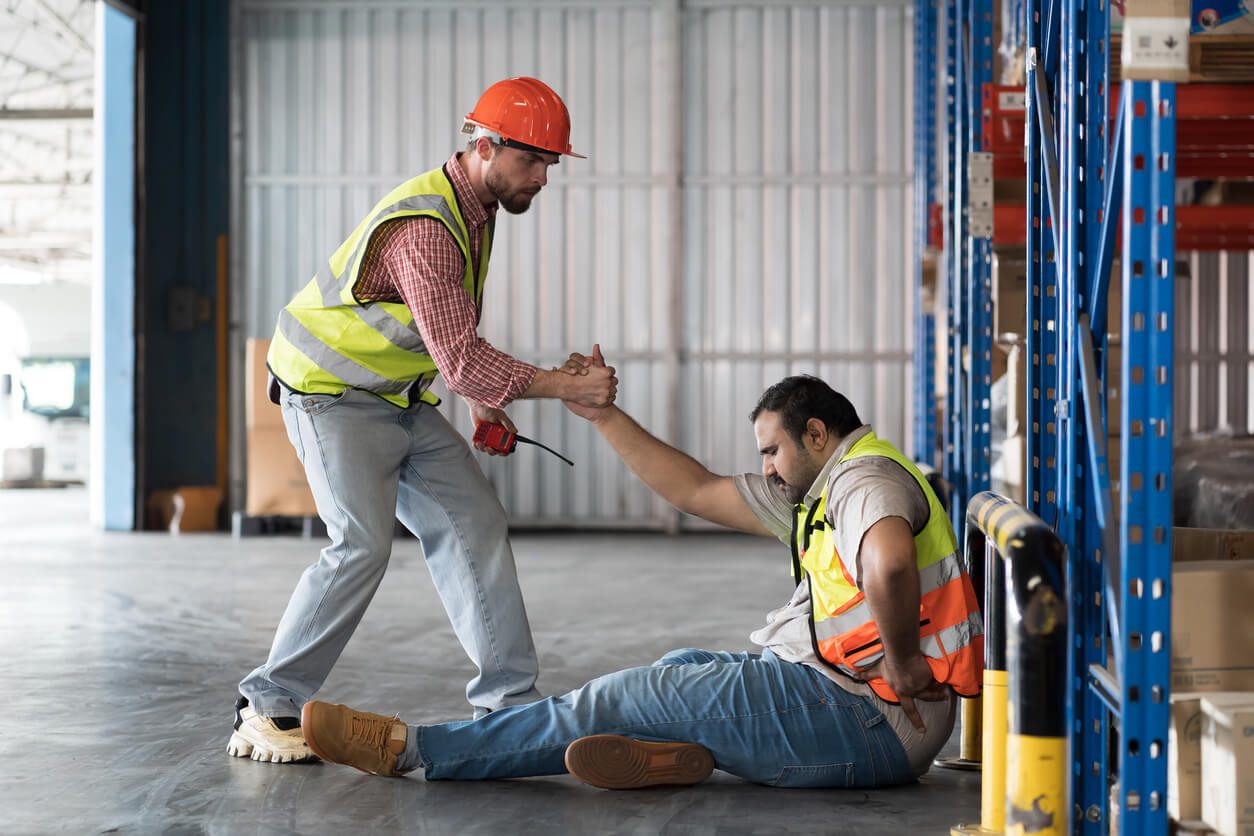
Trip and Fall Hazards
Improperly stored materials are also trip and fall hazards when they’re placed in areas where people walk.
This can also lead to injuries such as bruising, sprains and strains, broken bones and concussions. The severity of these injuries ranges from minor to fatal.
Leaking Containers
A leaking container is not just an unsightly nuisance. Even leaking water can create puddles that are trip and fall hazards.
Standing water can also damage the building’s infrastructure and become breeding grounds for dangerous bacteria, mold and other pathogens.
More noxious liquids can burn skin and mucous membranes. Fumes can damage the respiratory system and lead to fires. Food and drink contaminated by the leaks can cause poisoning if they’re ingested.
Items Blocking Walkways and Exits
You’ve also probably visited a place where there’s an exit blocked by something, whether it’s a pallet full of boxes, an old appliance that’s waiting to be thrown out, or a rack filled with items also waiting to be thrown out or repurposed. It may look harmless, for after all, the front door and other doors aren’t blocked.
But there are few things more dangerous than a blocked exit or walkway. If there’s a fire or other emergency in that part of the building, people are not going to be able to get out.
If a crowd panics, they’re going to surge toward an exit sign, only to find the exit blocked.
Moreover, not only will people not be able to get out of the building, but first responders won’t be able to get in. All of these situations can lead to terrible injuries and death.
Improperly Stored Hazardous Materials
Flammable and corrosive materials must be stored properly, especially if they’re going to be stored in a place where people frequent.
Even if they don’t catch on fire, flammable materials often release vapors that are hazardous to breathe in and may even burn skin and eyes. Badly stored flammable materials can explode without warning, and the fire that results can spread rapidly.
There’s also a risk of flammable liquids leaching through the floors of the building into the groundwater, which pollutes it. If the materials aren’t stored in the proper containers, they can eat through them and start to leak.
The right containers have non-combustible cores, smoke-preventative seals, self-closing vents and lower trays that catch dangerous spills.
Materials That Block the Sprinkler Heads
Incorrectly stored materials can also block sprinkler heads made to put out fires. Sprinkler heads are made to spray their water in a 360-degree radius, and materials that are too close block this.
The result is fires that would otherwise be put out being allowed to burn. They can grow to the point where they render the sprinklers useless. Blocked sprinklers might not come on at all.
Placing materials too close to them is also a violation of codes established by the Occupational Safety and Health Administration and the National Fire Protection Association.
Stacks of Items At Unsecured Edges
Platforms need to have barriers to make sure that the materials loaded on them are secure.
Unsecured materials are at risk of toppling over and causing damage to people in the area, to the platform itself or to the building.
No Labels on Items That Are Fragile or Dangerous
Another type of incorrect material storage is not labeling materials that are hazardous or fragile. Not labeling dangerous materials puts handlers and even bystanders at risk for being exposed to toxins and injury from fires or explosions.
If these materials need to be mixed, not knowing what they are can also cause explosions or the release of dangerous gases.
When this happens and people are injured, not knowing what materials or chemicals are involved makes treating the injuries that much more difficult. For example, plain water is good for some injuries but shouldn’t be used to clean injuries caused by certain chemicals.
When businesses store fragile items the wrong way, they can break and cause huge monetary losses.

Placing Items on Shelves Not Strong Enough to Hold Them
The danger of packing shelves with materials that are too heavy for them can’t be overstated. When the shelves finally crack and collapse, the damage can be severe to both persons and property.
The problems that result from improperly storing material are myriad. The first of them, of course, are injuries, and in the worst cases those injuries can be fatal. People can suffer broken bones, head trauma and crush injuries from materials that fall on them.
They can breathe in toxic gases and find themselves caught in fires they can’t easily escape because exits or sprinkler heads are blocked.
The business can suffer financial losses, for the materials that they store incorrectly can break, spoil or suffer some kind of contamination or infestation.
Forcing shelves or pallets to hold materials that are too heavy for them can even damage the building itself. Other financial problems include the business being sued, even criminally, for injuries or deaths.
The plant itself may need to shut down and be subjected to inspections, and the business can be hit with higher insurance premiums.
On top of this, the business’s good name suffers when accidents happen because materials are not stored the right way.