In the UK, every car is assigned to one of fifty insurance groups: Group 1 cars are the easiest and cheapest to insure, while Group 50 vehicles are typically highperformance or exotic models that carry a much higher risk and therefore are more expensive to cover.
While that classification often aligns with expectations, small hatchbacks on one end, supercars at the other but there are some models you wouldn’t necessarily expect to sit where they do.
If you want to find out the insurance group of a car, you can try a HPI check. It will show you the group number for free, which can help you compare options. In general, the lower the insurance group, the cheaper the insurance tends to be.
Do remember insurance group is just one part of the story, your age, driving record, location, annual mileage and more all influence your actual premium. But still, these rankings can shed light on some surprises.
Below, you’ll find five cars that are surprisingly pricey to insure for their type, alongside five that turn out to be remarkably inexpensive.
Five Cars That Are Surprisingly Expensive to Insure
1. BMW 2 Series (Group 46)

The 2 Series is the brand’s smaller coupe, often seen as one of BMW’s more affordable options.
Yet it’s rated in Group 46—quite high for its size. Interestingly, the convertible version actually has a lower group rating, even though one might assume being roofless increases risk.
2. Volvo XC90 (Group 45)
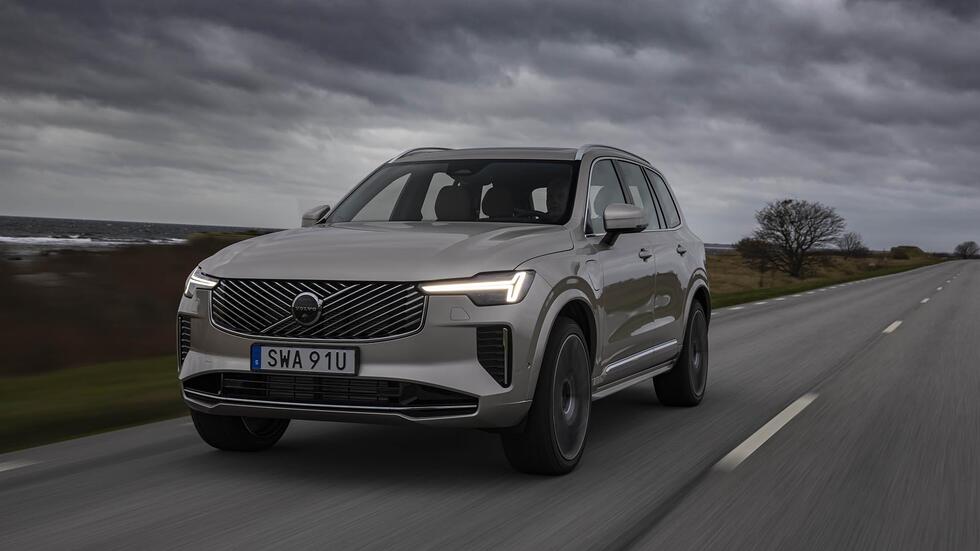
Volvo is synonymous with safety, and the XC90 is packed with advanced safety tech—but that hasn’t stopped its premium from climbing. Its hybrid T8 variant produces around 400 hp, pushing it into a highrisk bracket.
That powerful engine certainly elevates repair and total cost expectations.
3. Citroën DS 3 (Group 39)
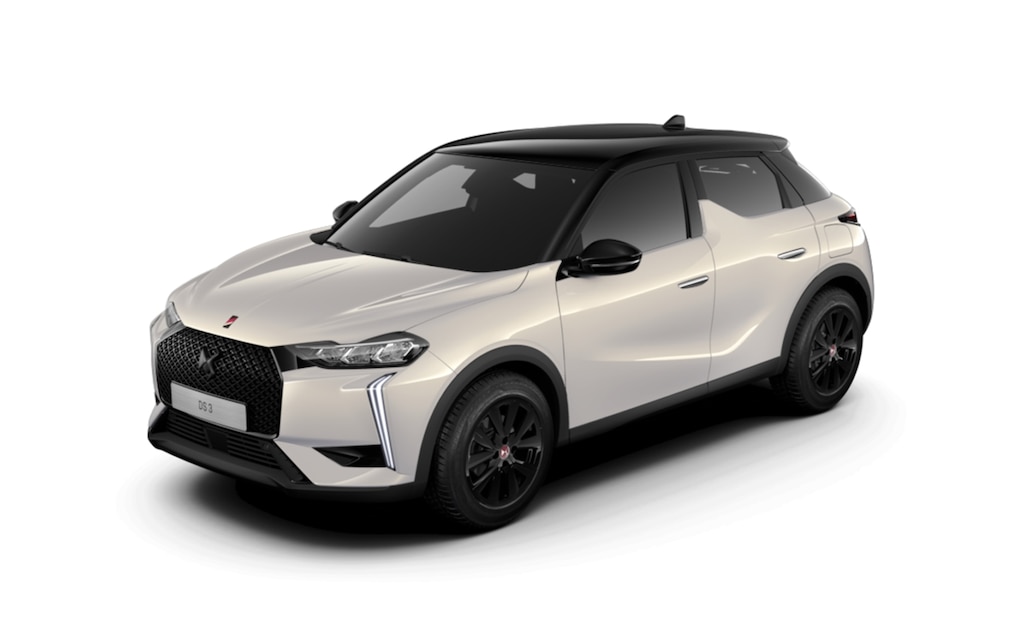
A compact city car at heart, the DS 3 surprises by landing a high insurance group. It bridges the gap between stylish European flair and performance, and insurers clearly factor that into the pricing.
4. Mazda MX5 (Group 39)

Widely loved for its fun, lightweight driving experience, the MX5 is an icon among roadsters. But sporty, smaller cars like this can suffer higher insurance groupings because they’re associated with spirited driving and potential claims.
5. Peugeot 308 GT (Group 35)

The 308 GT is a sporty version of Peugeot’s compact hatchback, and it’s placed well above standard 308 trims.
That upgraded engine and performance edge translates into more expensive premiums—even in a generally affordable category.
Five Cars That Are Surprisingly Cheap to Insure
On the flip side, some models outperform expectations and fall into lower insurance groups, which is excellent news for costconscious drivers:
1. Ford Fiesta 1.1litre (Group 3)
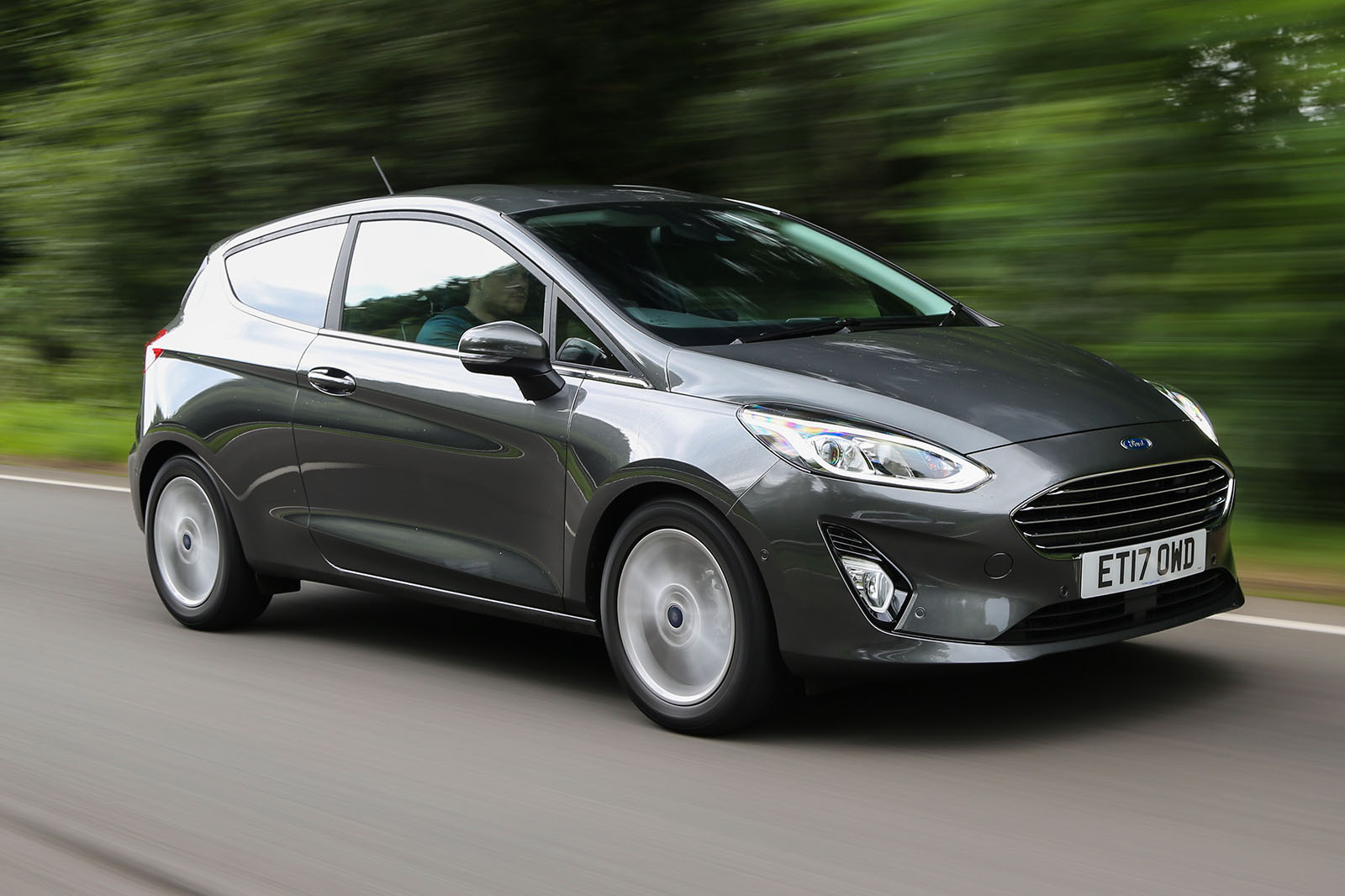
This little hatchback is a staple of UK roads. It sports a modest engine, proven reliability, and inexpensive parts—all clues that insurers view it as lowrisk.
It’s no surprise it lives near the very bottom of the insurance scale.
2. Škoda Fabia hatchback (Group 3)
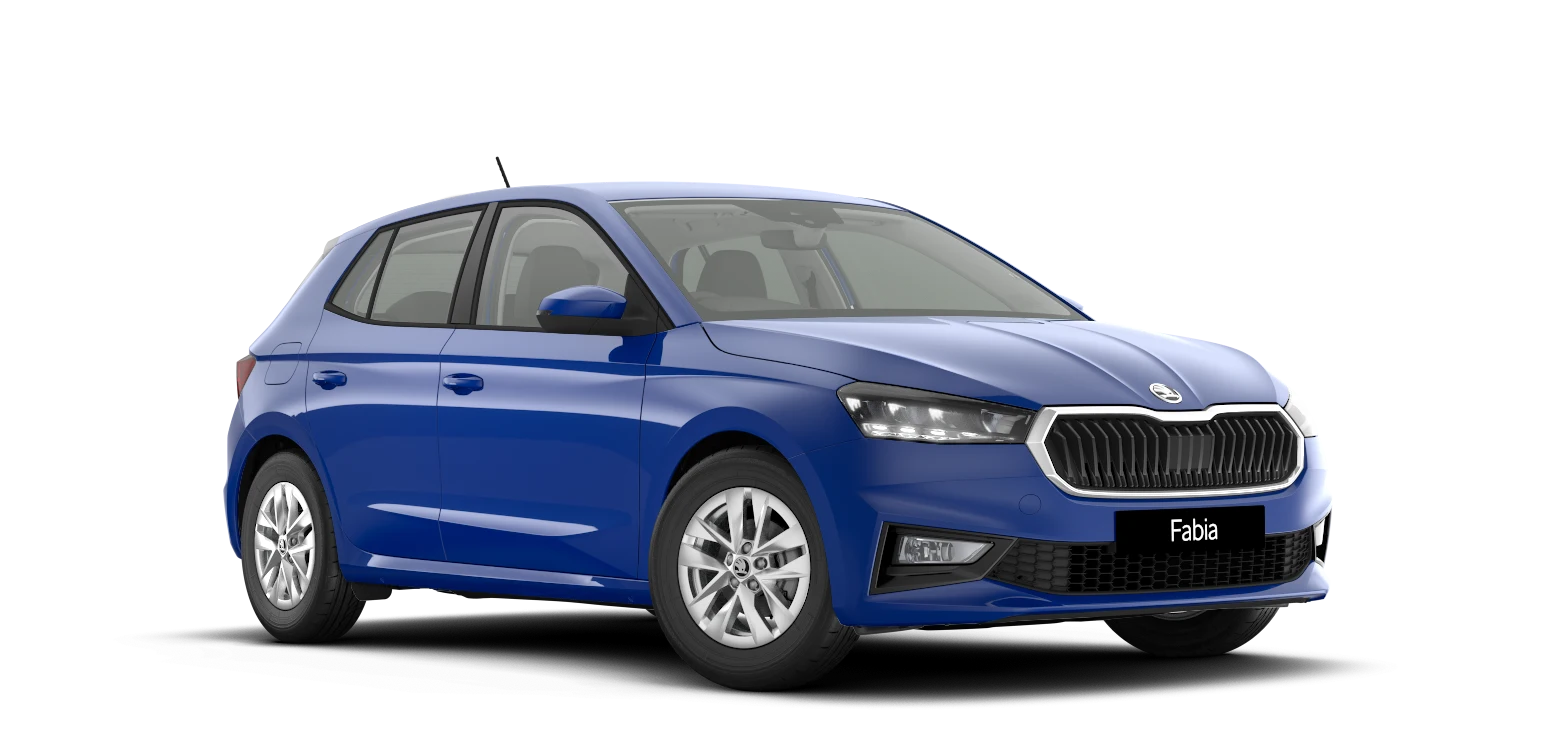
Wellbuilt, dependable, and typically inexpensive to repair, the Fabia is another compact car that punches above its weight—delivering value and very low insurance costs.
3. Vauxhall Corsa 1.2 (Groups 3–4)

The Corsa continues to be one of the most affordable superminis to insure. With a modest engine and wide availability of cheap replacement parts, insurers tend to reward it with lower group placement.
4. Hyundai i10 (Group 5)

This neat little city car is surprisingly wellequipped for its size and comes with one of the lowest insurance groupings. Great for learners and innercity commuters alike.
5. Kia Picanto (Group 6)
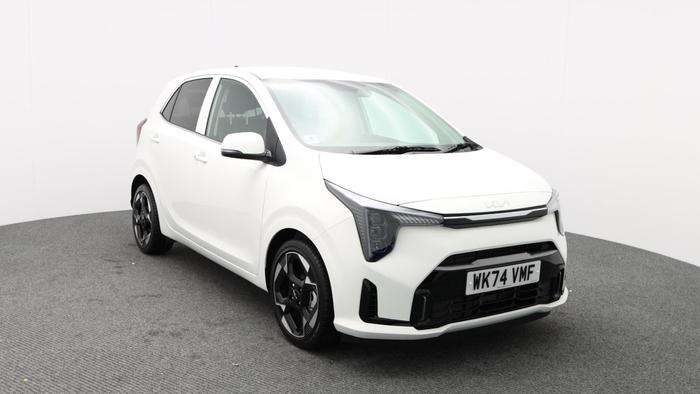
Similar to the i10 in size and insurance bracket, the Picanto wins with affordability and simple maintenance. These little runabouts are excellent for keeping insurance premiums down.
Whether you’re in the market for something fun or just practical and inexpensive to run, it pays to know how the group system translates into realworld premiums. That way, you get a sense of what to expect and how to keep your insurance as manageable as possible.