When you get into your car and feel that soggy, damp sensation on your seats or mats, it’s never a good moment. Whether it’s from leaving a window open during a downpour, a sudden drink spill, or even a flooded interior, a wet car interior can quickly turn from an inconvenience into a real problem.
Not only can it lead to a funky, musty smell, but if left untreated, it could even encourage mould and mildew growth. As they say prevention is the best treatment, using waterproof car seat covers can save you a lot of hassle.
Acting quickly can save you time, money, and hassle down the road. This guide breaks down easy, actionable steps to help you dry out your car’s interior and keep it looking, feeling, and smelling fresh.
Immediate Actions to Take
Assess the Damage
The first step is to understand the extent of the moisture. Is it just a small damp patch on the seat, or are the carpets and mats soaked through? If you’re dealing with a bit of spilled water, you may only need to dry the affected area, but larger spills or unexpected weather incidents could require more thorough drying efforts.
Taking a moment to assess the situation will help you know exactly what needs drying and how urgently. Remember, the longer water sits, the more likely it is to seep deeper into the upholstery, carpets, and padding.

Remove Excess Water
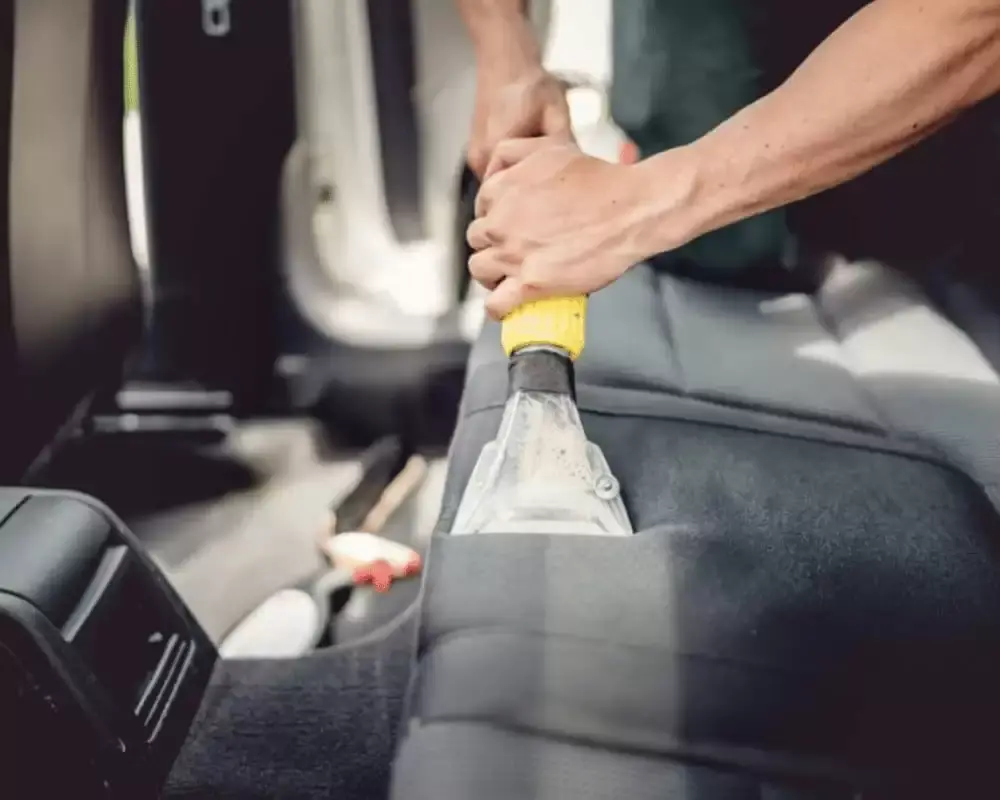
If there’s visible water pooled anywhere—like on a seat or floor mat—start by blotting up as much as possible with absorbent towels. For larger puddles or if the upholstery feels thoroughly soaked, a wet-dry vacuum can be a lifesaver. If you don’t have one, some local car washes or DIY car maintenance spots may let you rent one.
Using a vacuum not only helps you get to the deeper, unseen moisture but also speeds up the drying process significantly. Once you’ve removed as much water as possible, you’ll be set up for the next steps, which are all about thoroughly drying the interior and preventing lingering moisture.
Remove and Dry Removable Items
For any car with removable mats, seat covers, or cushion pieces, take them out and dry them separately. Even simple steps like taking mats out to air-dry under a sheltered outdoor area (or inside if it’s cold or wet outside) can make a huge difference. Drying out removable items separately also allows you to check for any sneaky moisture hidden underneath that may need attention.
Drying the Interior of the Car
Once you’ve gotten rid of as much standing water as possible, it’s time to focus on drying out the remaining moisture in the car’s upholstery, carpets, and hard-to-reach spots. Depending on the weather, available tools, and where the water damage is, you can combine a few drying techniques to get the best results.
Air Circulation
If it’s a warm or breezy day, one of the easiest ways to start drying the interior is to roll down the windows or open the doors (safely, of course, in a private area). Allowing fresh air to flow through the car can go a long way in drying out seats and carpets that aren’t soaked but are definitely damp. It may seem simple, but it’s surprisingly effective, especially in a well-ventilated area.
If you can park somewhere dry with good airflow, leaving the car open for an hour or two can make a big difference. Just be sure to keep an eye on your car!
Use of a Fan
For those situations where leaving the car open isn’t an option, or when you need to get things dry a little faster, using a fan inside the car can be a game-changer. Placing a portable fan inside the car allows for constant airflow, which helps evaporate moisture from seats and carpets. You don’t necessarily need a high-powered fan, though they can speed things up if you have one handy. Even a small fan blowing steadily will help dry out damp areas, especially when combined with other methods like heat.
Use of a Dehumidifier
If you have access to a portable dehumidifier, this is one of the most effective ways to draw out moisture from a damp car interior. Placing a dehumidifier inside the car for a few hours can help remove hidden moisture from seats, carpets, and tight areas. This option is especially helpful for those times when it’s too cold or humid outside to rely on air drying.
A pro tip: For best results, close the windows and doors while the dehumidifier is running inside the car to prevent new moisture from entering and to speed up the drying process.
Turn on the Car Heater
Sometimes the good old car heater can help with drying, especially if it’s cold or wet outside. Running the heater on a low setting with the fans pointed toward the floor or seats helps release trapped moisture. Combining the heater with an open window or slightly cracked door ensures that the moisture has somewhere to escape.
Using the heater works particularly well for carpets, which often take longer to dry. Just remember, the heater won’t be as fast as some other methods, but it can be a nice complement, especially if you have time to let it run for a while.
Dealing with Persistent Moisture and Odours
After you’ve removed as much moisture as possible, you may notice lingering dampness or, even worse, the beginnings of a musty smell. At this stage, it’s all about absorbing any remaining moisture and neutralising any odours to keep your car smelling fresh.
Baking Soda
Baking soda is a low-cost, all-natural way to absorb moisture and odours from fabric and carpets. If a damp spot still feels a little sticky or cold, sprinkle a thin layer of baking soda over the area. Allow it to sit for at least a few hours (overnight if possible) to absorb any leftover dampness and odours. Afterward, vacuum up the baking soda thoroughly, and the smell should improve noticeably.
This trick is especially helpful if the upholstery was soaked through, as baking soda helps lift out any last bits of moisture that other methods might have missed.

Activated Charcoal or Silica Gel Packets
Another handy tip for persistent dampness is to place activated charcoal or silica gel packets around the car. Activated charcoal is a powerful odour absorber and works great for removing any lingering musty smell. Silica gel packets, on the other hand, are highly effective at pulling moisture out of the air, and they’re easy to leave in hidden corners of the car.
While this won’t replace other drying methods, it’s a great way to help control moisture and odour in a damp car interior, especially if you’re worried about hidden moisture you can’t reach.
Odour Neutralisers
For particularly stubborn odours, a fabric-safe odour neutraliser can help freshen things up. These sprays are usually designed to neutralise odours rather than just cover them up, which is what you want when dealing with damp smells. Just be careful not to overuse these sprays, as too much moisture can backfire and keep the damp smell lingering. Spritz lightly and let it dry fully, and it can help your car smell much better.
Preventing Mould and Mildew Growth
After drying out the car interior and tackling any initial smells, it’s essential to make sure that mould and mildew don’t have a chance to settle in. Mould and mildew not only create unpleasant smells but can also be harmful if left untreated. A few extra steps now can help you avoid dealing with a deeper, more expensive clean-up down the line.
Disinfectant Spray
After your car upholstery is as dry as possible, lightly spraying a fabric-safe disinfectant can help prevent any future mould growth. Opt for a gentle spray designed for fabric rather than a harsh cleaner, which could damage the material or leave strong chemical odours behind. A disinfectant spray is especially helpful for areas like the floor and seat bases, where mould often starts to grow.
Let the spray dry completely with good ventilation to avoid adding new moisture to the fabric. Not only does this step protect the upholstery, but it also helps ensure a healthier environment in the car.
Use a Fabric Cleaner
If the upholstery is looking a bit worse for wear or you’re still worried about bacteria and odour, a mild fabric cleaner can refresh the seats and carpets. Fabric cleaners designed for car interiors will help lift out any stubborn dirt or residue that may have stuck to the damp material. This is particularly useful if the water that soaked into the seats wasn’t clean (e.g., muddy water, spilled drinks).
Working in sections, use a cloth or soft brush to work the cleaner into the upholstery, then wipe away any residue with a clean, dry cloth. Make sure to allow time for everything to dry completely, especially before closing up the car again.
Sun Exposure
Whenever possible, parking the car in direct sunlight for a few hours is a fantastic way to finish the drying process naturally. The warmth and UV rays from sunlight have a drying effect and even help to kill off bacteria. Even if the car is already dry, a good sun soak can help “air out” any lingering moisture or faint odours.
Of course, this step works best in warmer or sunnier weather, so it may not always be an option. But when it is, it’s a simple, effective way to give your car interior a final freshening up.
When to Seek Professional Help
Sometimes, no matter how thorough you are, certain damp or odour issues need a professional touch. The team at Optima Cleaners advises that knowing when to call an upholstery cleaning specialist can save you a lot of frustration and potentially prevent further damage down the line. Professionals have access to specialised tools and techniques—like steam cleaners, high-powered vacuums, and industrial-grade dehumidifiers—that can completely dry and sanitise upholstery, carpets, and those hard-to-reach areas where moisture loves to hide.
Professional help is especially worth considering in the following cases:
- Widespread Flooding: If your car experienced significant flooding, such as from heavy rain or driving through deep puddles, a DIY approach might not be enough to prevent lasting moisture damage. Professional equipment can help extract deep-seated water to prevent mould and structural damage.
- Persistent Musty Smells: When odours don’t go away despite your best drying and deodorising efforts, it often means that moisture has seeped into the padding or insulation. Professional cleaning tools can reach these hidden areas and eliminate trapped odours.
- Visible Mould Growth: If you see mould spots developing, it’s time to bring in a pro. Mould can be stubborn and tricky to fully remove without specialised products, and it may spread if not handled correctly and thoroughly.
While seeking professional assistance may come at a cost, Optima Cleaners emphasises that it can help extend the life of your car’s interior and give you peace of mind, knowing that all hidden moisture has been addressed.
Preventative Tips for Future Incidents
Once you’ve put in the effort to dry out your car and make it smell fresh again, the last thing you want is a repeat of the issue.
Thankfully, a few preventive measures can reduce the chances of moisture build-up and make it easier to handle minor spills or dampness.
Weatherproof Mats and Seat Covers
Investing in quality, weatherproof floor mats and seat covers can go a long way in protecting your car’s interior.
Rubber or all-weather floor mats can be easily removed, wiped down, and dried if they get wet, unlike fabric mats that soak up water and take longer to dry.
Likewise, waterproof seat covers are excellent for those who regularly drive with kids, pets, or through unpredictable weather. With these simple additions, minor spills or rainwater are less likely to create a long-term problem.
Regularly Check for Leaks
Water can sometimes sneak into a car from sources you wouldn’t expect. It’s a good habit to check seals around doors, windows, and the sunroof from time to time. A worn or damaged seal can let rainwater seep in without you realising it, especially during storms.
Pay special attention to rubber seals around the doors and windows—if they feel cracked, sticky, or appear damaged, consider getting them replaced.
Another spot to keep an eye on is the area around the windscreen. A small leak here can drip onto your dashboard and cause a mess over time, not to mention risk electrical damage if moisture seeps into any controls or wiring.
Avoid Eating and Drinking in the Car
While this one might be hard for some, avoiding food and drinks in the car can reduce the chances of spills. Even small amounts of liquid can soak into seats or carpeting, causing unpleasant smells if not cleaned up right away.
If eating in the car is unavoidable, keep a small spill kit (a few napkins, a cloth, and a plastic bag) to clean up messes quickly.
Conclusion
Dealing with a wet car interior can feel like a chore, but taking prompt, simple steps can make all the difference. By removing excess water, drying out the upholstery with the right methods, and using a few tricks to prevent lingering odours or mould, you can bring your car’s interior back to its best state in no time.
When it comes to your car, acting quickly and thoroughly is key to avoiding damage and keeping things fresh and comfortable.
And by following a few preventative tips, you can reduce the chances of facing a soggy interior again.
Keeping your car clean and dry isn’t just about appearances; it’s about preserving the value and quality of the space you spend so much time in.