Your jaw plays a crucial role in your facial structure and overall health. Losing teeth due to injury, decay, or gum disease can lead to bone loss, facial collapse, and functional issues like difficulty eating or speaking. However, modern solutions like dental implants not only restore your smile but also preserve jaw health and prevent long-term complications. Understanding these options is key to maintaining oral health.
The Hidden Impact of Missing Teeth on Your Jawbone
When you lose a tooth, the immediate concern might be the visible gap in your smile. However, the most significant damage occurs beneath the surface. Your jawbone relies on consistent stimulation from tooth roots to maintain its density and structure. This stimulation happens every time you bite, chew, or even clench your teeth.
Without this constant pressure, the alveolar bone that once surrounded the tooth root begins to shrink. The process starts within the first year after tooth loss and continues progressively. Studies show that patients can lose up to 25% of their jawbone width within the first year following tooth extraction.
The consequences of bone loss extend beyond dental concerns. As the jawbone deteriorates, facial muscles lose their support structure. This leads to a sunken appearance around the mouth, premature wrinkles, and changes in facial proportions.
Many people notice their lower face appears shorter, and their lips may appear thinner or less defined.
Adjacent teeth also suffer when bone loss occurs. Without adequate bone support, neighboring teeth may shift position, become loose, or even fall out. This creates a domino effect where the loss of one tooth eventually leads to the loss of multiple teeth.
Advanced Tooth Replacement: Beyond Traditional Solutions
Traditional tooth replacement options like dentures and bridges have served patients for decades, but they don’t address the underlying bone loss issue. Dentures sit on top of the gums and may actually accelerate bone deterioration in some cases. Bridges rely on adjacent healthy teeth for support, often requiring the modification of those teeth.
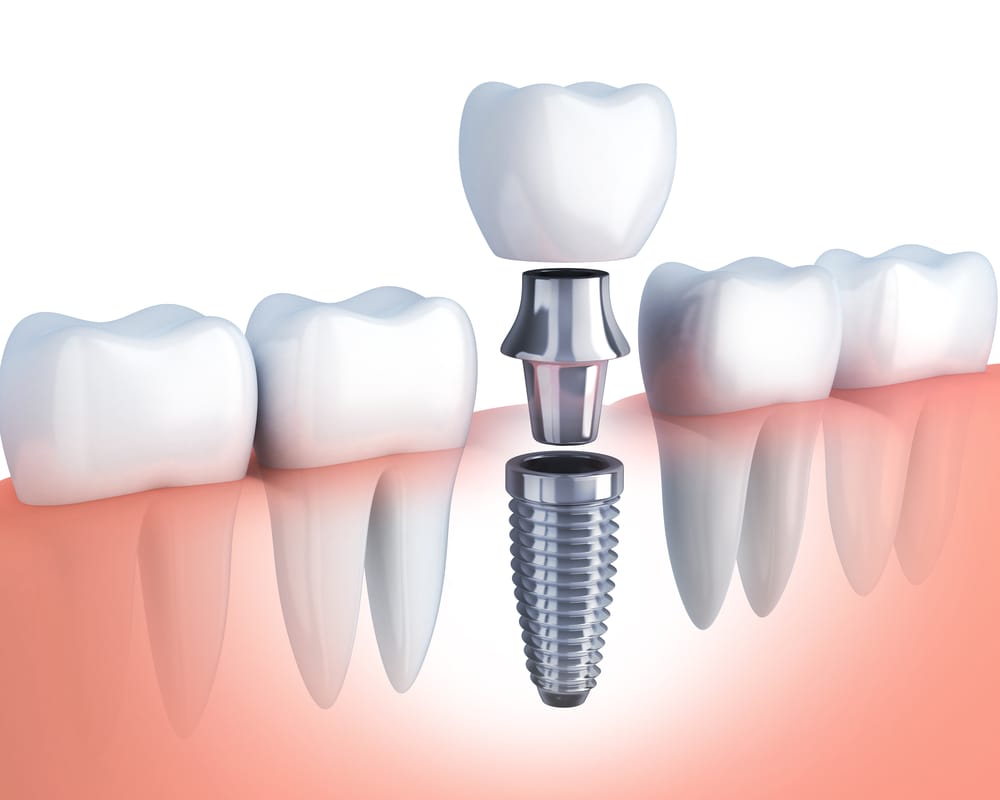
Dental implants represent a revolutionary approach to tooth replacement that mimics natural tooth structure. These titanium posts are surgically placed into the jawbone, where they integrate with the bone tissue through a process called osseointegration. This creates a stable foundation that functions like a natural tooth root.
The implant process involves several stages, each designed to ensure optimal healing and integration. During the initial consultation, dental professionals evaluate bone density, gum health, and overall oral condition. Advanced imaging techniques help determine the precise placement for each implant.
Single tooth implants work well for individual tooth loss, while multiple implants can support bridges or partial dentures. For patients missing all their teeth, full arch solutions provide comprehensive restoration using strategically placed implants.
How Dental Implants Stimulate Bone Growth
The key to dental implants’ success lies in their ability to replicate the natural relationship between tooth roots and jawbone. When you bite down on an implant-supported restoration, the force travels through the implant into the surrounding bone tissue. This mechanical stimulation signals the body to maintain and even regenerate bone tissue.
Titanium, the material used for most dental implants, has unique biocompatible properties that encourage bone growth. The surface of modern implants often features special textures or coatings that promote faster and stronger bone integration. Some implants include bone-stimulating materials that actively encourage new bone formation.
Research demonstrates that dental implants can actually reverse some bone loss that occurred after tooth extraction. While the implant won’t restore bone to its original dimensions, it can stabilize the area and prevent further deterioration. In some cases, additional procedures like bone grafting may be recommended to rebuild lost bone before implant placement.
The bone stimulation provided by implants creates a positive cycle of oral health. Stronger bone supports the implant more effectively, which in turn provides better stimulation for continued bone health. This relationship helps ensure the long-term success of the implant restoration.
Comprehensive Benefits of Maintaining Jaw Health
Preserving jaw health through advanced tooth replacement offers benefits that extend throughout your entire oral and facial structure. A strong jawbone provides the foundation necessary for proper chewing function, allowing you to enjoy a varied diet rich in nutrients essential for overall health.
Facial aesthetics improve significantly when jawbone structure is maintained. The natural contours of your face remain supported, preventing the aged appearance associated with bone loss. Your smile appears more natural and confident, which can positively impact social interactions and self-esteem.
Speech patterns also benefit from proper jaw support. Missing teeth and bone loss can affect pronunciation and clarity. Implant-supported restorations restore proper tongue placement and air flow, helping you speak clearly and confidently.
The stability provided by implants eliminates many of the challenges associated with traditional dentures. You won’t need to worry about slipping, clicking, or movement while eating or speaking. This stability allows you to eat favorite foods that might be difficult with removable appliances.
Long-term oral health improves when jawbone is preserved. Stable bone provides better support for remaining natural teeth, reducing the risk of additional tooth loss. The easier maintenance of implant restorations compared to complex bridge work also contributes to better overall oral hygiene.
For those considering comprehensive restoration, researching options like full arch dental implants cost at Douglasville, GA, can provide valuable information about treatment investment and expected outcomes.
Conclusion
Prompt treatment for missing teeth is essential to protect jaw health and prevent complications.
Options like implants can restore your smile while supporting facial structure and overall well-being. Early care leads to better outcomes and fewer procedures.