


Dental implantology advancements have made procedures more accessible, predictable, and efficient for a broader range of patients. These modern approaches are comfortable and deliver natural-looking results, making it easier to regain a functional smile.
Full-mouth solutions are changing the standard of care by integrating new technologies and advanced biomaterials.
As these solutions refine, individuals with complex dental needs have more options to restore their quality of life, speech, and chewing function.
Tooth loss can significantly impact daily life, affecting oral health and self-confidence. Thanks to breakthroughs in dental technology, modern dental implants have transformed the possibilities for those seeking a permanent, durable replacement for missing teeth.
Patients looking for full mouth dental implants Dallas TX now have access to state-of-the-art implant solutions that restore function and appearance, often exceeding the comfort and longevity of traditional dentures and bridges.
The Evolution of Dental Implants
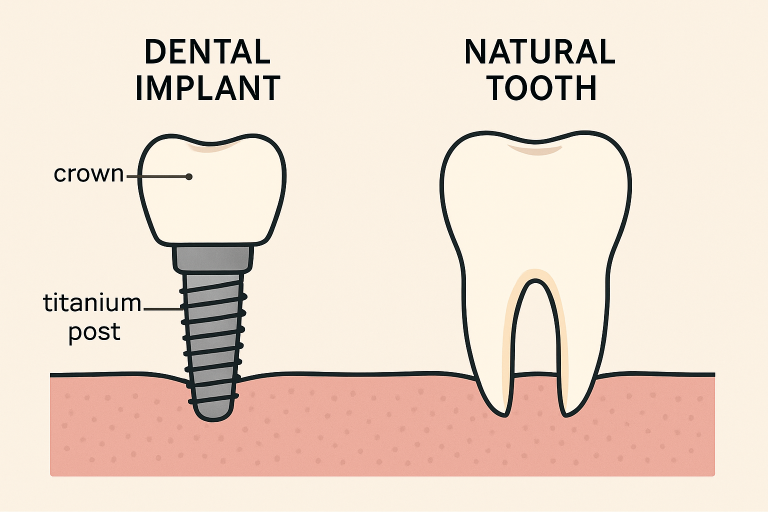
Dental implants have evolved from primitive attempts to anchor artificial teeth in the jaw. Modern implants form a stable, long-lasting connection through osseointegration using materials like titanium and zirconia.
Thanks to global research and development, the success rate of modern implants can reach up to 98%. This success rate is a testament to design, technique, and patient care advancements.
Innovations in Implant Materials
Advancements in implant materials, particularly titanium, are crucial for fast and secure tooth placement. Femtosecond laser-treated titanium alloys may accelerate bone growth around implants, reducing healing times and improving stability.
Zirconia implants, a metal-free option, mimic natural teeth color and translucency, offering a more lifelike smile restoration for those with sensitivities or aesthetic concerns.
Advancements in Implant Procedures
Dental implants have been modernized to improve efficiency and patient comfort. The All-on-4 procedure uses four implants to anchor an entire arch of prosthetic teeth, simplifying treatment for tooth loss patients.
Digital workflow technologies, including 3D mapping, have revolutionized diagnostics and planning, allowing for precise placement and predictable outcomes. These tools also enable clinicians to show patients previews of their new smiles before surgery.
Customization Through 3D Printing
Another frontier in dental implantology is customization enabled by 3D and 4D printing. Dentists can now design implants and prosthetic components perfectly tailored to each individual’s anatomy. The result? Superior fit, enhanced comfort, and a natural look blend seamlessly with remaining teeth.
3D printing isn’t limited to the implant itself; it’s also used to fabricate surgical guides, temporary crowns, and bone graft materials. As highlighted by a recent study, the rapid advances in dental 3D printing are already reducing turnaround times and improving patient experiences.
Maintenance and Longevity of Implants
Dental implants require daily brushing, flossing, and professional cleanings to maintain the gums and bone. Although they don’t decay like natural teeth, they are susceptible to gum disease if oral hygiene isn’t maintained.
Regular check-ups are recommended to address complications and ensure implant longevity. Dental implants with proper maintenance can last for decades, often a lifetime.
Conclusion
The world of dental implants has undergone a transformative change, offering solutions that are more reliable, customizable, and accessible than ever before.
Through innovations in materials, procedures, and technology, patients can now confidently reclaim their smiles.
With continued advancements on the horizon, dental implants remain the gold standard for restoring function, beauty, and quality of life to those affected by tooth loss.