


Outdoor training costs less than a gym membership. It also asks more of your equipment. Weather, terrain, and distance all change what you need.
Good gear does not make you fit. It removes friction. When your shoes fit and your layers work, you show up more often. Consistency builds fitness. Equipment protects it.
Start With Your Footwear
Your feet absorb every impact. Running loads each foot with roughly two to three times your body weight. Poor footwear leads to blisters, shin splints, and plantar pain. Fix this first.
Check the heel-to-toe drop, the height gap between heel and forefoot. A low drop of 0 to 4 mm shifts stress toward the calves and Achilles. A drop of 8 to 12 mm eases that load. Change drop gradually over several weeks.
Match the shoe to the surface. Road shoes use softer midsole foam and smooth outsoles. Trail shoes add lugs of 4 to 6 mm, rock plates, and tougher uppers. For loaded walks or rough ground, many people choose tactical boots for ankle support, durable materials, and aggressive tread.

Fit matters more than brand. Shop in the afternoon, when feet swell. Leave a thumb’s width past your longest toe. Test with the socks you plan to wear. Replace running shoes every 300 to 500 miles.
Socks count too. Merino and synthetic blends move moisture away from skin. Cotton holds sweat and raises blister risk. Carry a spare pair for long sessions.
Layer for Weather and Heat
Use three layers in cool weather. The base layer wicks sweat. The mid layer holds heat. The outer shell blocks wind and rain. Fabric weight matters, and a 150 g/m² merino base suits cool mornings. Adjust layers before you adjust effort.
Heat needs its own plan. Choose light colors, mesh panels, and UPF-rated fabric. Wear a brimmed cap. Apply SPF 30 or higher and reapply every two hours.
Hydration and Fuel
A practical starting point is 150 to 250 ml of fluid every 15 to 20 minutes. Under an hour, water is enough. Past 60 to 90 minutes, add sodium and carbohydrates to replace what you lose. Check urine color afterward. Pale yellow means you are on track.
Pick a carrier by distance. Handheld bottles suit short runs. Vests hold one to two liters and keep weight close to your torso. Bladders work well for hiking and cycling. Insulated bottles keep fluids cool in summer.
Gear for Cyclists and Commuters
Cycling adds speed, so safety gear matters more. Wear a helmet that meets your region’s safety standard. Mount a white front light and a red rear light, even in daylight. Padded gloves reduce hand numbness on long rides.
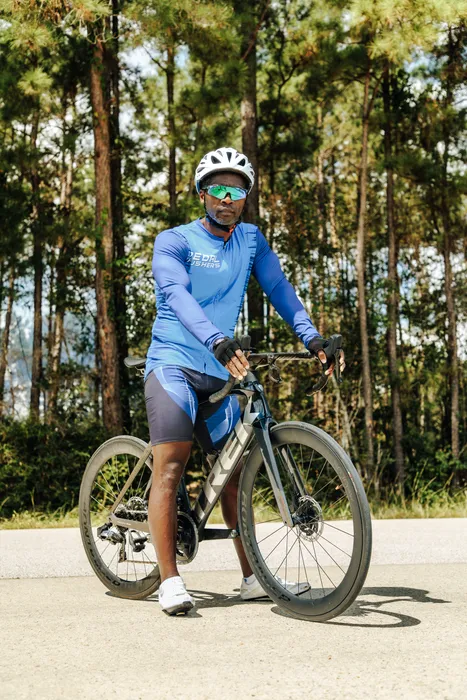
Clothing changes the ride. Padded shorts reduce pressure and chafing. Rear pockets carry tools and food. Clubs and teams often order custom bicycle jerseys to control fit, fabric, and visibility in one design.
Keep Safety Essentials Close
Small safety items can prevent minor problems from ending a workout early. Carry a charged phone, identification, and emergency contact details on unfamiliar routes. A compact flashlight helps during early morning or evening sessions, while reflective bands improve visibility near traffic. For remote trails, download offline maps before leaving areas with reliable service.
Choose gear that serves more than one purpose. A lightweight windbreaker can protect against sudden rain and help regulate body temperature during rest breaks. Pack a basic repair kit if you cycle, including tire levers, a spare tube, and a mini pump. Before each session, check closures, weather alerts, and route conditions. A few minutes of preparation can reduce avoidable risks and help you train with greater confidence.
Loads, Strength, and Recovery
Keep these tools within reach:
- GPS watch or phone app for pace and distance
- Chest strap or optical sensor for heart rate
- Resistance bands for pulling and pressing work
- Foam roller or massage ball
- Small first aid kit with blister care
Carrying a pack changes your mechanics. Keep the load under 10 percent of body weight at first. Use a sternum strap and hip belt to move weight off the shoulders. Add small amounts each week.
Strength work counts as much as cardio. The CDC physical activity guidelines call for muscle-strengthening on at least two days a week, alongside 150 minutes of moderate aerobic activity. Bands, a weighted pack, and a park pull-up bar cover every major muscle group outdoors.
Use data with restraint. Moderate effort sits near 64 to 76 percent of maximum heart rate. If you can talk but not sing, you are close. Watch trends over weeks, not single sessions.
Recovery tools matter. Foam roll quads, calves, and glutes for 60 to 90 seconds each after sessions. Sleep seven hours or more. Tissue repairs while you rest.
Check conditions before you leave. Wind chill, heat index, and air quality all affect risk. When the heat index climbs past 90°F (32°C), cut intensity or move indoors.
Build Your Kit Gradually
Start with shoes, one layer, and water. Add items as real needs appear. Buying everything at once wastes money and creates clutter.
Inspect gear monthly. Check outsole wear, stitching, zippers, and bottle seals. Small failures grow quickly on the trail.
Outdoor fitness works when preparation stays simple. Match your equipment to your route, weather, and habits. Then step outside and log the minutes.


