


As the school year begins and children are newly enrolled, it’s the ideal time to schedule a vision screening to identify potential eye problems.
Regular eye exams are crucial for children’s overall development and academic success. However, the whole idea of going for an exam may slightly intimidate some kids.
This is why it’s necessary to make proper preparation so you can help them feel comfortable and at ease and turn the whole experience into a positive one. This blog will examine some tips to help you prepare your kids for a smooth eye exam.
But before delving into the main topic, it’s important to consider briefly why eye exams are vital for children. Children’s vision usually develops rapidly at a young age, so undiagnosed problems can result in challenges in schools and other daily activities.
These issues include nearsightedness, farsightedness, and astigmatism that can affect their learning process because most educational activities require visual processing.
Detecting the problems early can prevent long-term vision problems and ensure your kid has the best start to the new year. Now, here are the tips.

Visit https://www.who.int/podcasts/series/science-in-5/episode–108—how-can-you-protect-your-child-s-vision to gain more insight into how to protect your child’s vision.
Talk About the Eye Exam Ahead of Time
Children, and sometimes, even some adults, feel anxious about the unknown; therefore, talking to your kid about eye screening before they undergo it can be helpful.
Explain the process involved and try to reassure them that it will help them see better.
Avoid using the word test because it might intimidate them. Instead, describe the procedure as a fun experience, and they will learn how their eyes work.
Make it fascinating and even compare the eye tester machine to a superhero that will help them see clearly.
Click here to learn the steps involved in eye screening.
Practice Eye-Friendly Activities at Home
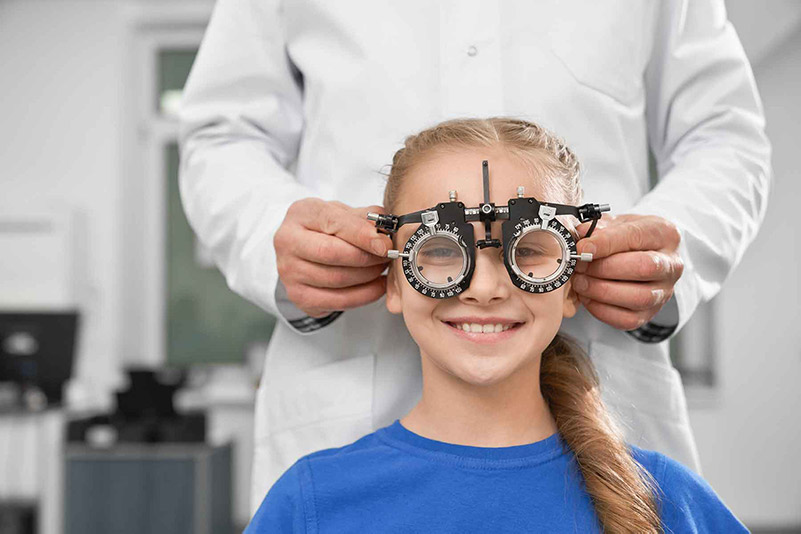
Whether you are conducting eye screenings in school or at a clinic, consider introducing the concept at home by making it a fun and interactive experience.
Practice looking at objects at different distances or play games like “I Spy” to help them get used to focusing. You can also show them how to cover one eye with their hands and practice reading or identifying shapes.
Bring Comfort Items to the Eye Appointment
If they have a favorite toy, stuffed animal or blanket that makes them feel secure, bring it during the test. Having that familiar comfort item can help them feel at ease and reduce their anxiety.
Schedule the Appointment at a Good Time
Make sure to feed them well before the appointment, as children are more likely to cooperate and feel calm when they are well-rested and not hungry.
Schedule the exam when they are in a good mood, for instance, after a nap or mid-morning so that it will go smoothly. Avoid times like when they are cranky, moody or during a busy day.
Use Positive Reinforcement
Make the visual screening a more positive experience by rewarding them afterwards. This can be their favorite snake, sticker from the eye screening company, a trip to the park or any special treat that they will look forward to and give them the idea of how fun it will be to go for the exam and stay healthy.
Stay Calm and Reassuring
A lot of children mirror their parents’ expressions; therefore, you also need to stay calm and positive. Once they sense that you are anxious or nervous, they will start to feel the same. Use a calm and reassuring tone throughout the test process and praise their cooperation.
Explain What Will Happen During the Exam
Help them understand the steps involved in the eye screening in simple terms to reduce the fear of the unknown they feel. You can explain the process involved in using vision screening machines, such as those from this company, including what users can expect and what the results will be after everything is done.
If they are found in any condition, reassure and explain to them that they will visit a doctor and be asked to try on special glasses or look through fun machines, and none of it will harm them. Providing them with a clear idea of what to expect will make everything less overwhelming.
Conclusion
Children aren’t as confident as adults, especially when it comes to matters of the hospital. Before the eye screening, explain to them what to expect and what the result may be.
Bring their comfort items along, as most kids feel at ease when they have something familiar close to them. Use positive reinforcement and stay calm and reassuring because kids tend to mirror their parents’ emotions.


