“Dental veneers represent one of the most transformative cosmetic dentistry procedures available today. These thin shells of porcelain or composite material can dramatically improve your smile’s appearance, correcting issues like discoloration, chips, gaps, and minor misalignments,” says Smiles for Miles Dentistry, a renowned Waukesha dentist.
Understanding what to expect throughout the veneers process can help alleviate anxiety and ensure you’re fully prepared for this life-changing dental investment. From initial consultation to final results, here’s your comprehensive guide to the veneers journey.
Understanding Dental Veneers
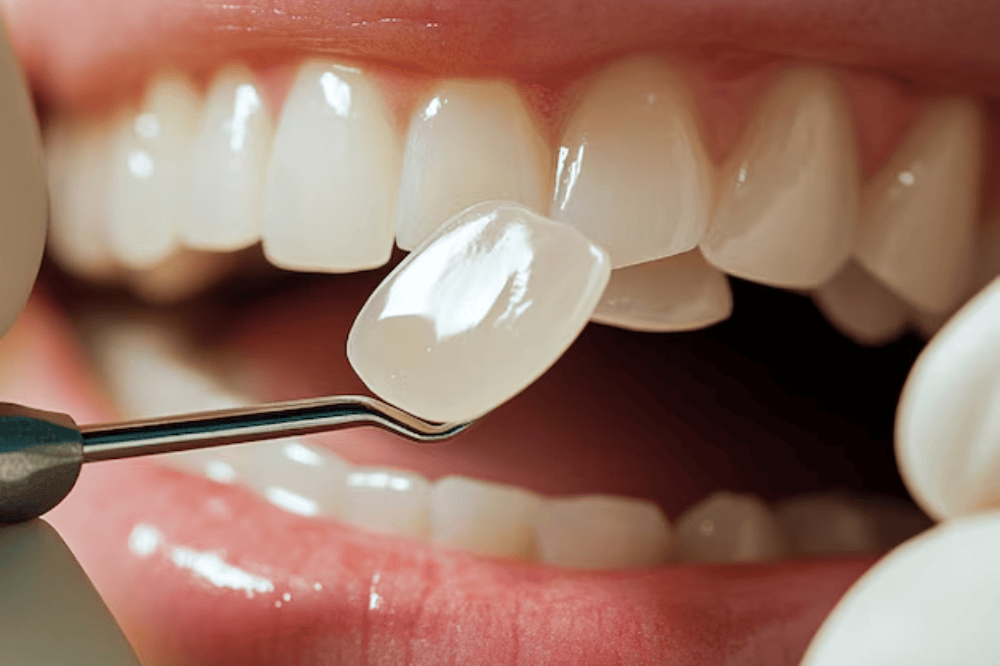
Veneers are custom-made, wafer-thin coverings that bond permanently to the front surface of your teeth. They’re designed to mimic the natural appearance of tooth enamel while providing strength and resilience comparable to natural teeth.
Most veneers are crafted from high-quality porcelain, which offers superior stain resistance and light-reflecting properties. Some patients opt for composite resin veneers, which can be applied in a single visit but may require more frequent maintenance.
The decision to get veneers typically stems from cosmetic concerns, though they can also provide functional benefits by protecting damaged tooth surfaces from further deterioration.
Pre-Procedure Consultation and Planning
Your veneers journey begins with a comprehensive consultation where your dentist evaluates your oral health, discusses your aesthetic goals, and determines your candidacy for the procedure.
During this appointment, expect detailed photographs, impressions, and possibly digital imaging to help visualize your potential results. Your dentist will also review your medical history and current medications.
This planning phase is crucial for setting realistic expectations. Your dentist will explain the limitations of veneers and discuss alternative treatments if they’re more suitable for your specific situation.
A treatment plan will be developed, outlining the number of veneers needed, the timeline for completion, and associated costs. Many practices offer before-and-after photos to help you visualize potential outcomes.
Tooth Preparation Process
The preparation appointment typically occurs one to two weeks after your consultation. Your dentist will remove a small amount of enamel from the front surface of each tooth receiving veneers.
This removal, usually about 0.5 millimeters, creates space for the veneers while ensuring they don’t appear bulky or unnatural. The process is performed under local anesthesia to minimize discomfort.
After preparation, new impressions are taken and sent to a dental laboratory where skilled technicians craft your custom veneers. This fabrication process typically takes two to three weeks.
Temporary veneers may be placed to protect your prepared teeth and maintain your appearance during the waiting period. These temporaries require gentle care and dietary modifications.
What to Expect During Recovery
The initial recovery period following tooth preparation is generally mild, with most patients experiencing minimal discomfort that responds well to over-the-counter pain medications.
Your prepared teeth may feel sensitive to temperature changes, particularly cold substances. This sensitivity is normal and temporary, typically resolving once permanent veneers are placed.
Eating softer foods and avoiding extremely hot or cold beverages can help manage sensitivity during the temporary veneer period. Proper oral hygiene remains important, though extra gentleness is recommended.
Some patients notice slight changes in their bite or speech during the temporary phase. These adjustments are normal and will be addressed when permanent veneers are fitted.
The Final Placement Appointment
When your permanent veneers are ready, you’ll return for the placement appointment, which typically takes two to three hours depending on the number of veneers being installed.
Your dentist will first remove temporary veneers and clean your prepared teeth thoroughly. Each permanent veneer is then carefully checked for fit, shape, and color before final bonding.
The bonding process involves applying special adhesive to your teeth and the veneers, then using a curing light to create a permanent bond. Final adjustments ensure proper bite alignment and comfort.
Your dentist will polish the veneers and check your bite multiple times throughout the appointment to ensure optimal comfort and function before you leave the office.
Immediate Post-Procedure Care
Following veneer placement, your mouth may feel slightly different as you adjust to the new additions. This adaptation period is normal and typically lasts just a few days.
Avoid chewing on hard objects, opening packages with your teeth, or biting directly into very hard foods like ice or hard candy to protect your investment.
Some patients experience mild gum sensitivity around the veneer margins. Gentle brushing and warm salt water rinses can help soothe any irritation during the initial healing period.
Schedule a follow-up appointment within a week of placement to address any concerns and ensure your veneers are functioning optimally in your daily routine.
Long-Term Care and Maintenance
Proper care ensures your veneers can last fifteen to twenty years or more. Maintain excellent oral hygiene with regular brushing using non-abrasive toothpaste and daily flossing around veneer margins.
Regular dental checkups and professional cleanings remain essential for monitoring your veneers and maintaining overall oral health. Your hygienist will use appropriate tools to clean around veneers safely.
While veneers resist staining better than natural teeth, limiting exposure to heavily pigmented substances like coffee, wine, and tobacco helps maintain their pristine appearance over time.
Consider wearing a night guard if you grind or clench your teeth, as excessive force can potentially damage veneers just as it would natural teeth.
Managing Expectations and Results
Most patients are thrilled with their veneer results, experiencing dramatically improved confidence and satisfaction with their smile’s appearance within days of the final placement.
However, remember that veneers are permanent modifications to your natural teeth. The removed enamel doesn’t regenerate, making this decision irreversible and requiring lifelong commitment to maintenance.
Some minor adjustments may be needed in the weeks following placement as you fully adapt to your new bite and oral function patterns.
Your investment in veneers represents not just cosmetic improvement but also potential functional benefits, including protection for previously damaged or weakened teeth and improved bite alignment.
Conclusion
The veneers procedure offers remarkable opportunities for smile transformation, but success depends largely on proper planning, realistic expectations, and committed long-term care.
Working with an experienced cosmetic dentist ensures optimal results and minimizes potential complications. Take time to research providers, view their previous work, and ask detailed questions during consultations.
With proper care and maintenance, your veneers can provide decades of beautiful, confident smiles, making them one of dentistry’s most rewarding cosmetic investments for appropriate candidates.