Key Takeaways
- Understand basic furnace maintenance for enhanced efficiency.
- Recognize common issues and when to seek professional help.
- Learn practical tips for prolonging furnace lifespan.
Introduction to Furnace Maintenance
Home is where comfort meets safety, especially when temperatures plummet during winter.
A well-maintained furnace is crucial in ensuring warmth and comfort without unexpected breakdowns.
Engaging in proactive furnace repair routines can preserve the efficiency and longevity of your heating system. This article explores practical furnace maintenance tips that homeowners can implement for improved performance.
Table of Contents
- Basic Maintenance Tips for Your Furnace
- Recognizing Common Furnace Issues
- The Importance of Professional Checks
- Prolonging Your Furnace Lifespan
- Conclusion
Basic Maintenance Tips for Your Furnace
Basic maintenance is essential for a furnace’s efficient operation and longevity. By following these straightforward tips, homeowners can ensure their system remains reliable:
Replace or Clean Filters Regularly
Dirty filters can restrict airflow, causing your furnace to work harder than necessary. Depending on usage and air quality circumstances, it is advised to inspect and change filters every one to three months.
Additionally, keeping vents unblocked ensures optimal airflow throughout the home, contributing to the system’s overall efficiency.
Inspect Thermostat Settings
Please always make sure your thermostat is functioning correctly and set to the desired temperature. Modern programmable thermostats regulate temperature according to your schedule, optimizing energy use without compromising comfort.
Clean the Furnace Area
Maintaining a clean area around the furnace is vital to prevent dust or debris from obstructing the system.
I’d like you to regularly look over and clean the space surrounding your furnace to ensure efficient operation and reduce fire hazards.
Recognizing Common Furnace Issues
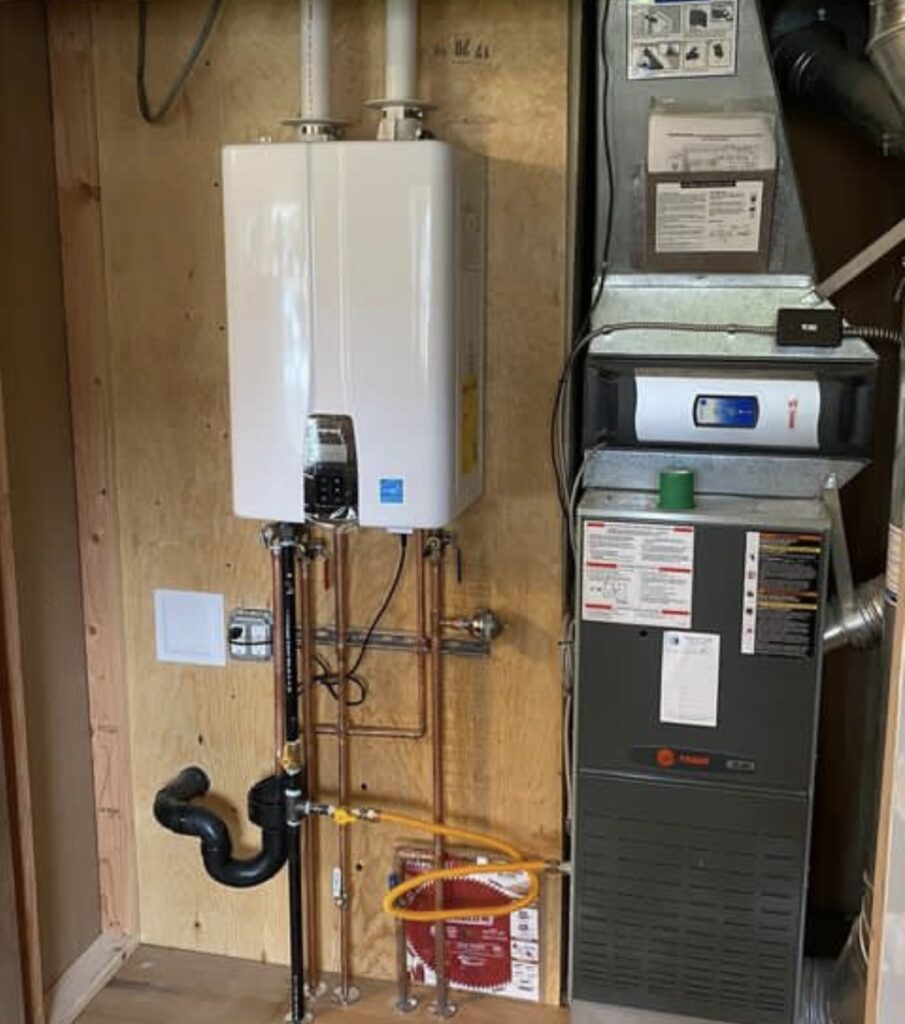
Despite regular maintenance, furnaces can experience issues that require attention. Homeowners should be aware of common problems to address them promptly:
No Heat or Insufficient Heat
If your furnace fails to produce heat or the heat is insufficient, start by checking the thermostat settings, circuit breakers, and filters. If the problem continues, you may need to see a specialist.
Frequent Cycling
A furnace that frequently cycles on and off may signal a clogged filter, incorrect thermostat setting, or an issue with the air circulation. Proper diagnosis and resolution of this problem can improve efficiency and comfort.
Unusual Noises
While some furnace noise is normal, rattling, banging, or squealing could indicate mechanical problems. Spotting these noises early and addressing them can prevent costly repairs.
The Importance of Professional Checks
Annual professional inspections are crucial for major maintenance and safety checks. A certified technician can ensure all components function correctly and efficiently, identifying any wear or potential failures before they escalate.
According to Consumer Reports, frequent expert servicing can considerably lengthen the life of your furnace and enhance its performance. Professional checks provide peace of mind and assure safety, especially during prolonged winter usage.
Prolonging Your Furnace Lifespan
Extending the life of your furnace involves more than routine checks and maintenance. Implement the following practices for added durability:
Seal Air Leaks
Inspect your home for air leaks that could cause your furnace to work harder. Sealing windows, doors, and ductwork can alleviate undue stress on the system by preserving heat within the home.
Upgrade Aging Systems
As your furnace ages beyond its expected lifespan, it pays to consider an upgrade. Modern systems are more energy-efficient and environmentally friendly, often resulting in lower energy costs, improved air quality, and increased home value.
Energy Conservation Practices
Adopting energy-saving habits, such as lowering the thermostat during sleeping hours or when away, can reduce the workload on your furnace. Small behavioral changes can also significantly impact overall energy consumption and furnace wear.
Conclusion
Furnace maintenance is an ongoing responsibility for homeowners, combining regular DIY tasks with professional service to ensure efficiency and longevity. By following these essential tips, you can keep your home warm and cozy while enjoying a well-functioning heating system that stands the test of time.