Have you ever looked around your home and wondered if it’s time for a serious update? Maybe things don’t feel as comfortable or fresh as they used to. Homes age just like anything else.
Over time, wear and tear can build up, even if you take good care of your space. Recognizing the signs that your home needs a major upgrade can help you avoid larger issues down the road. From aging systems to outdated spaces, paying attention to certain clues can guide your next steps.
Sometimes, the signs are obvious, like broken appliances or water leaks. Other times, it’s about how your home functions and feels overall. Maybe the layout doesn’t work for your family anymore, or the design feels stuck in another decade.
Upgrading your home can improve safety, comfort, and even your property value. In this blog, we will share key signs that show your home might need a major upgrade and what you can do about it.
Your Roof Looks Worn or Starts Leaking
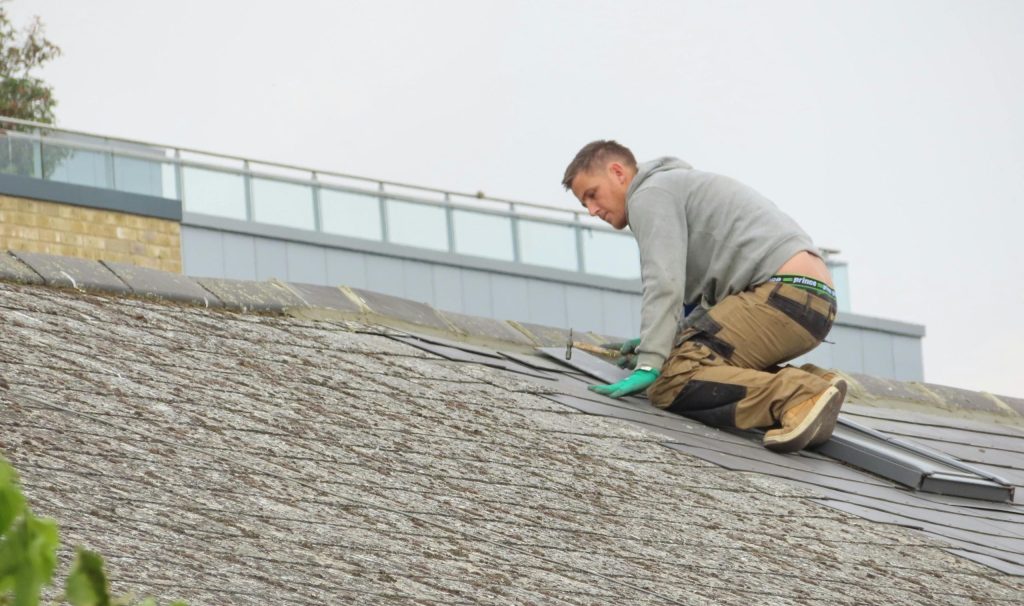
One of the clearest signs your home may need a major upgrade is an aging or damaged roof. Roofs don’t last forever, and over time, they begin to show signs of wear. If you see missing shingles, sagging areas, or water stains on your ceiling, it’s time to act. Leaks can lead to mold, water damage, and even structural issues if left untreated. A simple inspection from the ground or by a roofing professional can tell you a lot about your roof’s condition.
If you’re noticing more problems during heavy rain or snow, it’s smart to look into roofing replacement services. These services don’t just patch up problems. They can give your home a fresh start and protect it for years to come. A new roof also boosts curb appeal and may help with energy efficiency. Ignoring a failing roof can cost more in the long run, so this is one area where an upgrade pays off.
Your Heating and Cooling System Struggles to Keep Up
Another important sign that your home may need a major upgrade is a heating or cooling system that isn’t working well. If your furnace or air conditioner constantly runs but never seems to reach a comfortable temperature, it could mean the system is outdated. Older HVAC units often lose efficiency over time. They may drive up your energy bills while failing to heat or cool your space properly.
Strange noises, frequent repairs, or uneven temperatures from room to room are other red flags. Replacing an old system can make your home more comfortable and lower your monthly costs. Many newer models are designed to be energy-efficient and better for the environment. Upgrading your HVAC system also improves indoor air quality, which is helpful for anyone in your home with allergies or asthma.
There Are Constant Repairs and Breakdowns
Do you feel like you’re always fixing something? When small issues keep popping up, it might be a sign of bigger problems. Constantly repairing plumbing, electrical systems, or home fixtures can be frustrating and expensive. Older homes often require more maintenance, especially if systems haven’t been updated in a long time.
Rather than spending money over and over again on short-term fixes, it may be smarter to invest in a major upgrade. Replacing worn-out systems with modern alternatives can prevent future breakdowns. This type of upgrade also gives you peace of mind, knowing that your home is more reliable and less likely to have problems that disrupt your daily life.
Your Layout No Longer Matches Your Lifestyle
Sometimes, your home itself hasn’t changed, but your life has. Maybe your family has grown, or you now work from home and need extra space. If your layout doesn’t match your current lifestyle, it might be time for a major change. Feeling cramped or lacking privacy are signs that your home may no longer suit your needs.
An upgrade could mean knocking down walls for an open floor plan, converting unused rooms, or even adding a new space altogether. Updating your layout helps you get more use out of your home and can make it feel more enjoyable day-to-day. A flexible layout makes your home easier to live in now and may help if you choose to sell later.
Outdated Electrical or Plumbing Systems
Older homes often have outdated plumbing and electrical systems that no longer meet today’s safety standards. If your lights flicker, breakers trip often, or outlets don’t work, it’s time to call a professional. Similarly, low water pressure, rusty water, or frequent clogs can point to plumbing issues that need more than a temporary fix.
Upgrading these systems improves your home’s function and safety. New wiring, better circuit panels, and updated plumbing materials help reduce the risk of fires, leaks, and water damage. These upgrades may also be needed to meet the code if you plan to renovate or sell your home. While they can be costly, these changes are an investment in your home’s long-term health and safety.
The Home Just Feels Dated or Uncomfortable
Even if everything works, your home may still feel like it’s from another time. Dated design choices, worn flooring, or old paint colors can make your space less enjoyable. If you find yourself avoiding certain rooms or feeling unhappy with the way things look, it may be time for an update.
Cosmetic upgrades can include painting walls, changing flooring, replacing lighting fixtures, or updating furniture. These changes can refresh your home and make it more enjoyable to live in. If your home has good bones but needs a modern touch, a major upgrade focused on style and comfort can make a big difference in how you feel about your space.
In conclusion, spotting the signs that your home needs a major upgrade helps you take action before problems grow worse. Whether it’s a failing roof, aging systems, or spaces that no longer fit your life, knowing what to look for puts you in control. A well-timed upgrade can improve comfort, safety, and even save you money in the long run. Take time to walk through your home and notice what’s working and what’s not.
If several of these signs apply to your space, it may be time to plan for a larger improvement. Upgrading your home isn’t just about looks—it’s about creating a space that works for you now and into the future.