


Not every home needs blaring alarms or eyes-in-the-sky surveillance to feel secure. In fact, some of the most effective protections don’t make a sound. Passive security is all about smart, subtle design—choices that quietly make your space less appealing to intruders, without turning it into a tech fortress.
As traditional systems get pricier, noisier, and more complicated, there’s something reassuring about simple strategies that work in the background. Think hidden safes tucked beneath the floor, landscaping that doubles as a barrier, and clever touches that throw off would-be thieves. The goal isn’t just safety—it’s peace of mind. A home that feels relaxed, lived-in, and quietly protected.
Concealment Over Confrontation With Hidden Floor Safes
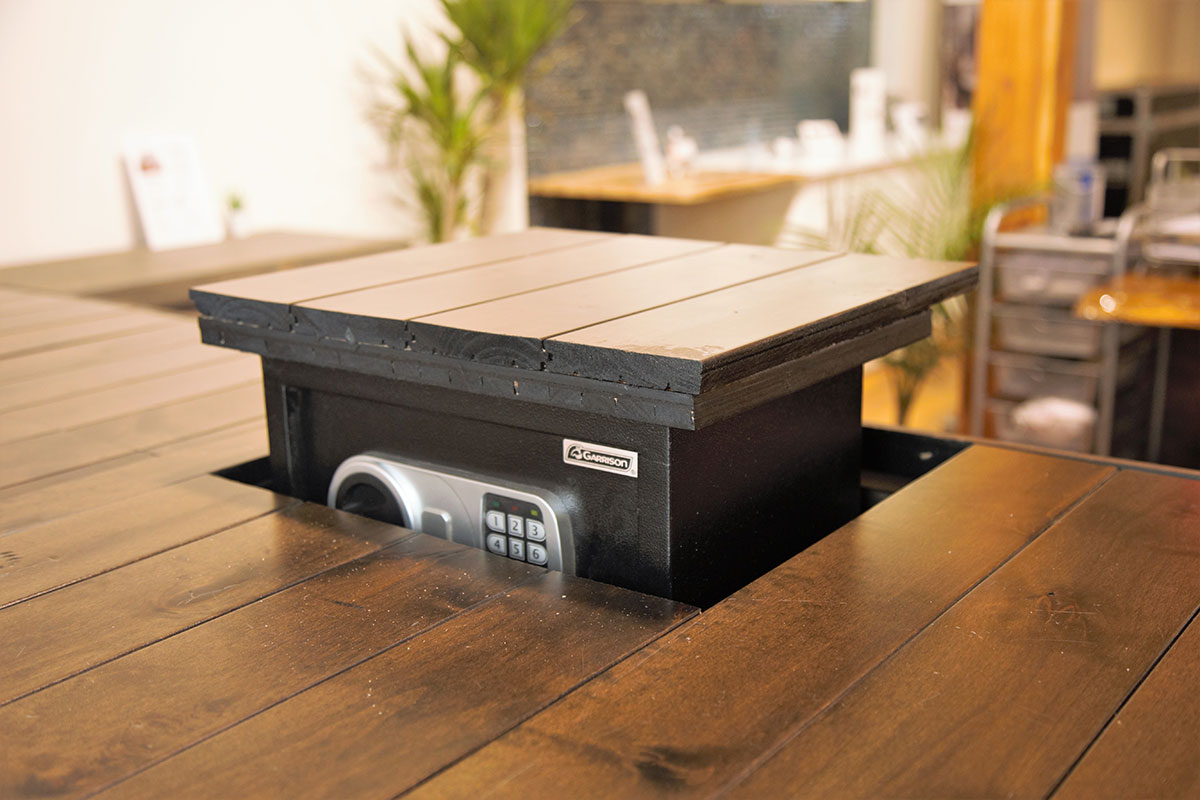
Most thieves look for quick wins, so it’s smart to reduce temptation. Hidden floor safes placed under removable flooring offer a sleek way to keep valuables protected. Ideal locations include low-traffic areas like bedrooms or home offices.
Hiding valuables in less obvious spots pulls attention away from traditional storage areas and quietly adds a layer of protection.
Keeping items out of sight reduces the risk of grab-and-go thefts. Using a discreet floor safe not only helps protect your belongings but also contributes to a greater sense of peace at home. In many cases, that small layer of concealment is the difference between keeping treasured items safe and losing them forever.
Visual Privacy That Discourages Intrusion

Controlling what people can see from outside is a key part of home security. Blackout curtains and dual-layered window treatments block the view of your home’s interior from outsiders. Using these in bedrooms and living rooms cuts down on exposure while making the space look nice. You get privacy and comfort at the same time.
Other smart choices include one-way mirror films and frosted window coatings. Films with a mirrored finish can reflect daylight during peak sun hours, making it nearly impossible for anyone outside to see in. Picking the right window treatment depends on your lifestyle and how much light and privacy you need.
Strategic Landscaping That Limits Access Points
Landscaping can quietly reinforce home security while keeping outdoor spaces attractive. Dense, thorny plants like holly or barberry beneath windows create a natural barrier that discourages close access.
Fences with no gaps, trimmed regularly, signal clear limits without looking severe. Motion-activated lights near pathways or entry points interrupt darkness and make unwanted movement noticeable.
Soft lighting combined with smart plant placement creates a yard that feels both safe and inviting. Choosing vegetation that’s low-maintenance and suited to the climate adds protection without extra upkeep. With a few thoughtful adjustments, even the garden becomes part of a home’s silent defense system.
Dead Space Elimination Using Built-In Obstacles

Empty corners and awkward areas in a home can be a problem, giving intruders places to hide. Turning those spots into useful spaces with built-in shelves or cabinets makes them both functional and secure.
Installing a floor-to-ceiling unit in a hallway corner, for example, can remove an overlooked hiding place while offering extra storage. Such changes fill in blind spots and make it harder for someone to move through your home unnoticed.
Tall furniture placed in smart spots can also act as obstacles, slowing down anyone who shouldn’t be there. Planning the layout of your furniture with security in mind doesn’t mean turning your home into a bunker. Instead, it’s about making small, thoughtful changes—like adding a bookcase or a tall cabinet—that help protect your space without disrupting your daily life.
Decoy Installations That Redirect Intruder Focus
Misdirection can quietly help protect your real valuables. Decoy safes placed in obvious spots can catch a thief’s attention, giving them something to focus on while the real items stay hidden. Good locations for fake safes include shelves or cabinet tops, where they’re easy to spot and near enough to be quickly accessed in a rush.
Decoy safes can be filled with fake jewelry or broken gadgets to make them appear authentic. Even small touches, such as adding a tempting label to the box, enhance the illusion. Creative thinking of this sort adds a quiet layer of security and peace of mind. Misdirection helps pull attention away from real valuables and keeps important items protected.
Home security doesn’t have to feel intense or overcomplicated. Thoughtful details—like blackout curtains, hidden safes, or strategic landscaping—quietly reduce risk without disrupting daily life.
These passive elements work in harmony with your space, creating a sense of calm without sacrificing safety. A well-placed decoy or built-in cabinet doesn’t just add function—it subtly shifts how a home feels and operates.
This approach favors foresight over fear, allowing your home to feel secure without feeling watched. Instead of relying on noise and alerts, it’s about quiet control. What if your safest home was the one no one noticed?


