The choice of a dining table is an equally important element in creating the atmosphere of a home. While both standard and custom dining tables have their advantages, knowing which one is which will help households choose the right one that best suits their homes and lifestyles.
Understanding Standard Dining Tables
Standard dining tables are available in pre-established shapes, finishes, and sizes, making it difficult to tailor them to your environment or specific needs. They are easy to find and convenient for those seeking the most direct solution.
There is a wide range of stores to browse and compare. These tables mostly conform to widely used dimensions, allowing you to have an optimal fit with most dining rooms.
However, if you’re looking for something more tailored, exploring custom dining table options in Miami can help you find the perfect size and finish for your space.

Advantages of Standard Options
Standard tables are comparatively inexpensive, which is also an advantage. They are often less expensive due to mass production. The actual assembly is usually pretty basic, with instructions provided and simple steps to follow.
Speed of availability also attracts families with children who have needs for home furniture. Standardized designs ensure durability and functionality, so you can rely on them.
Possible Limitations of Standard Tables
While the standard may be convenient, it may lack the intimacy of personalization. The shapes, sizes, and finishes are preset and custom-fitted to match particular decor themes or unusual room layouts, which often prove to be a bit challenging.
Production methods and the quality of the materials have an impact on quality. Mass-produced tables do lack the attention to detail that custom pieces can provide.
Custom Dining Tables Explained
Custom dining tables are made according to specifications. These tables allow households to choose exact sizes, materials, and finishes. It also offers a customized solution for situations where the required dimensions, shapes, or aesthetics are slightly unconventional.
Benefits of Customization
A dining table can portray an individual’s taste. It caters to specialty wood types, special finishes, or unusual shapes. Tables can be central pieces that enhance the way a room looks and that add a level of custom character.
Bespoke pieces usually have a better quality due to the level of craftsmanship involved and the attention to detail.
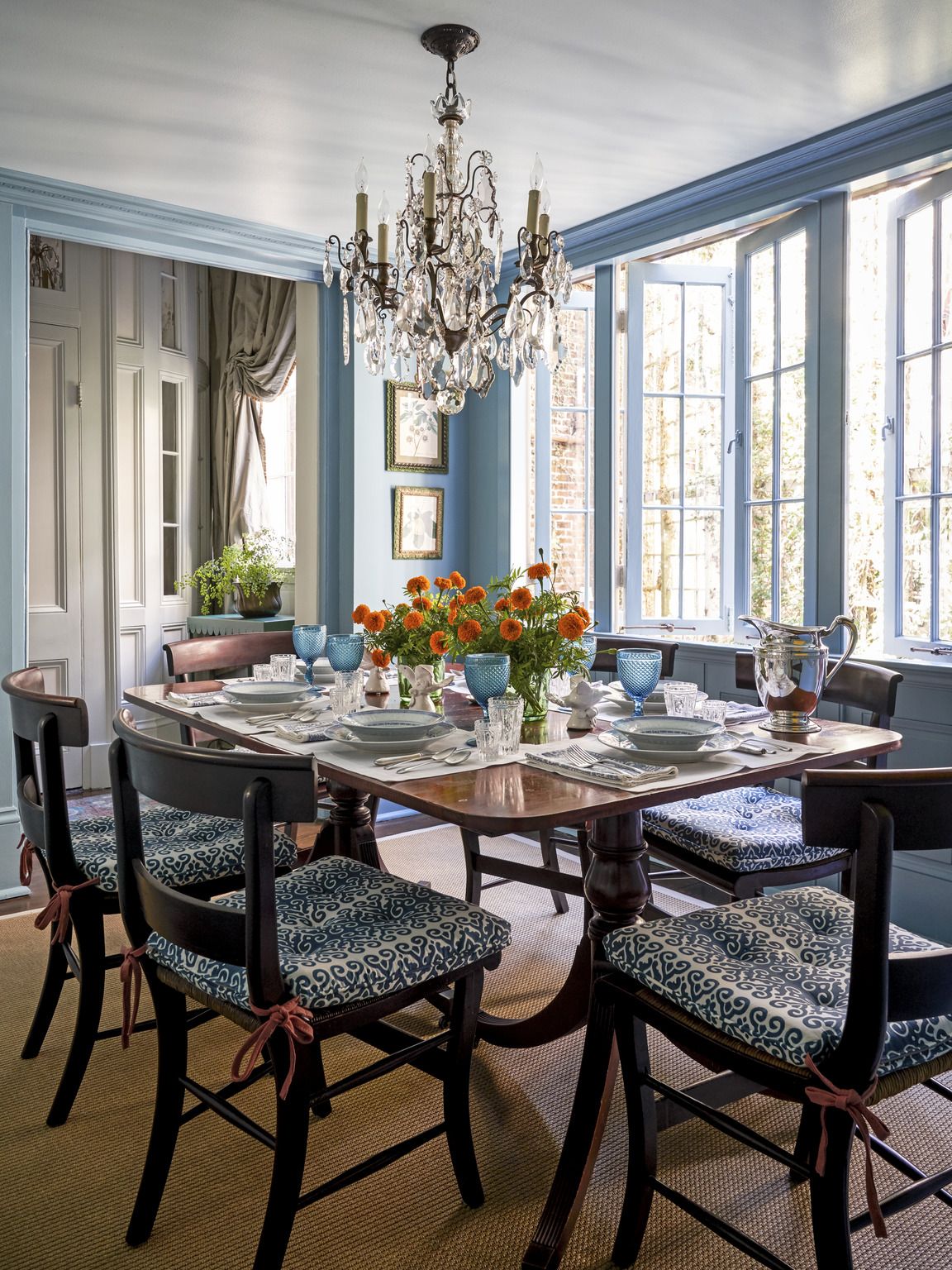
Considerations with Custom Tables
Specialized labor and quality materials mean that custom pieces usually come with a higher price tag than factory designs. It takes a long time to be created and delivered, so it cannot suit everyone’s schedule.
Changes to the design further down the line will also make it more expensive. Choice of materials may necessitate a little bit of care in their maintenance.
Space and Functionality
Room size and intended use significantly influence table selection. Standard tables frequently suit traditional dining spaces where dimensions do not pose challenges.
In contrast, custom tables address awkward corners, open floor plans, or multi-functional rooms.
For those who host large gatherings or require expandable surfaces, custom solutions can offer features that standard tables might lack.
Aesthetic Preferences
Standard tables are a popular option, appealing to a broad crowd with their versatile and familiar design.
If you have more defined tastes or a creative eye, custom tables may be the better choice. Personalization allows for matching existing furniture, blending with color themes, or creating a style entirely your own. For many, the choice also brings a sense of pride in having a truly unique centerpiece.
Long-Term Value
Value and longevity are important factors to consider. Standard tables often have sufficient strength, but custom tables made from higher-quality materials can be more durable.
Custom items can be worth the investment since heirloom quality takes time to earn back. Depending on the quality of workmanship, standard tables might have a shorter lifespan.
Making the Right Choice
Deciding between custom and standard dining tables often ties closely to cost, timing, and the degree of customization sought. Standard tables are for those who want convenience, cost-effectiveness, and immediate availability.
Custom tables appeal to those searching for a unique design, a perfect fit, and durability. Determining what is most important will lead households to the optimal decision.
Conclusion
Regular and customized dining room tables have their respective advantages. With an assessment of individual requirements, spaces, and aesthetics, families can identify the best-fit alternative.
A little forethought makes the dining area a comfortable, beautiful, and inviting environment for your guests. At the end of the day, the right table does more than fill a room; it brings people together.