


Key Takeaways
- Choosing native plants lowers water usage while supporting local biodiversity.
- Outdoor living spaces increase the usable area of your home and promote well-being.
- Smart irrigation systems help conserve valuable water resources.
- Eco-friendly hardscaping reduces environmental impact and runoff.
- Designing with wildlife in mind boosts the health of local ecosystems.
In recent years, sustainability has become central to the way homeowners approach their landscapes. With growing awareness about environmental responsibility, many are seeking not only visually appealing yards but also gardens that support local wildlife and minimize resource use.
Working with experienced landscape contractors is one way homeowners can transform their outdoor spaces to align with today’s best sustainability practices.
From functional living spaces to eco-friendly materials, modern landscaping trends center on reducing maintenance, supporting the environment, and enhancing quality of life. Whether you are renovating an existing yard or starting from scratch, integrating sustainable trends can benefit your home and the broader community. Water conservation, effective plant selection, and mindful design all contribute to a more sustainable landscape.
At the same time, they can increase property value and create a sanctuary that reflects your unique style. Sustainable landscapes also incorporate practices that benefit urban and suburban environments, such as managing rainwater runoff and reducing chemical use. Homeowners who opt for these approaches often enjoy savings in both time and resources, all while making a positive environmental impact.
Homeowners exploring these options may find it useful to compare services offered by local landscape companies to ensure they select the right partner for their eco-conscious goals.
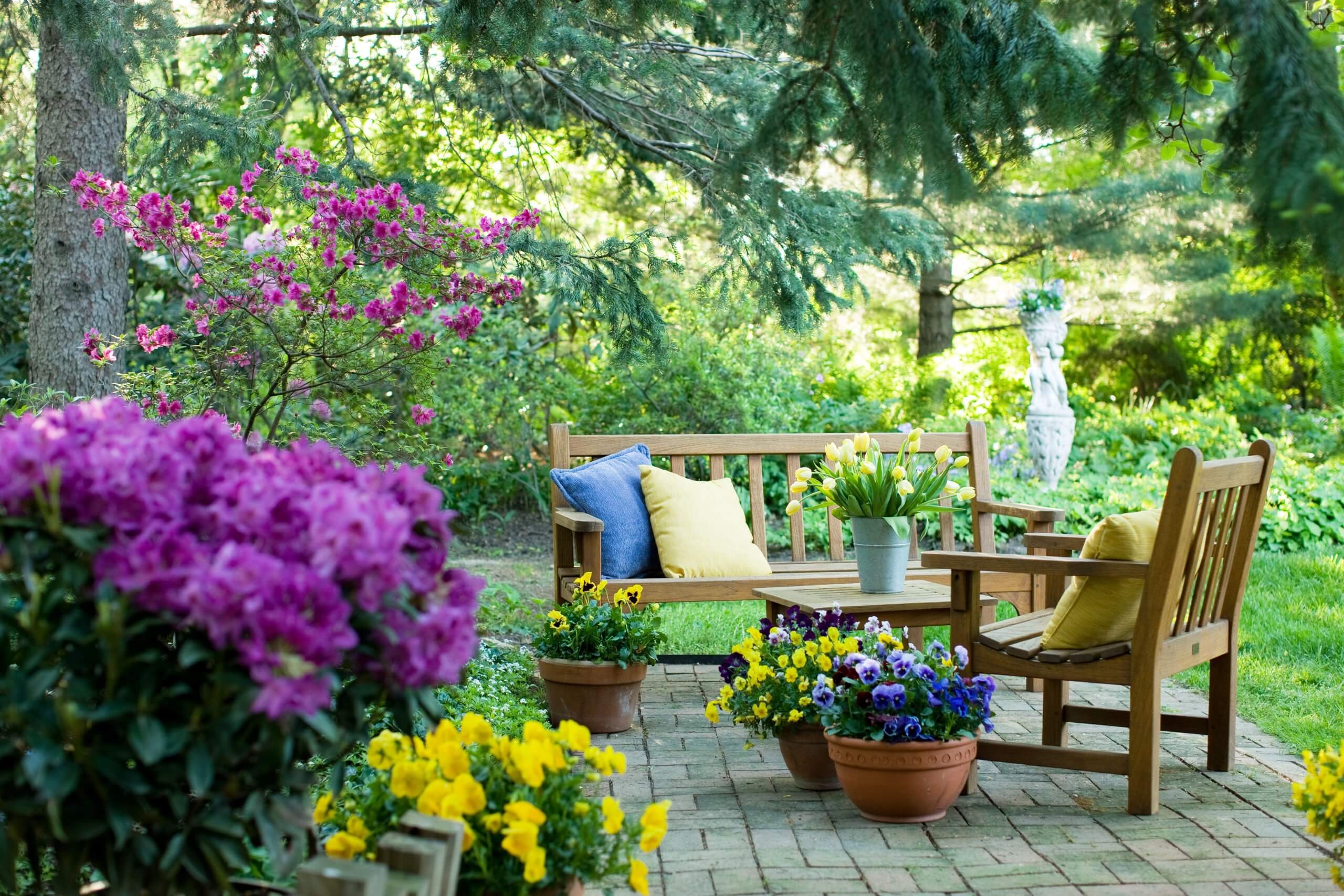
Embracing Native Plantings
Native plants offer a host of benefits for sustainable gardens. Because they are adapted to the local climate, these species require less water and less frequent care compared to exotics. For example, native perennials and grasses often thrive through hot, dry spells and create habitats for pollinators and songbirds.
The United States Environmental Protection Agency supports the use of native species for their ability to conserve water and increase wildlife habitat.
Creating Functional Outdoor Living Spaces
The idea of the backyard as a mere decorative element is quickly fading. Increasingly, homeowners are designing outdoor kitchens, comfortable seating areas, and even multi-use decks to expand their living areas.
This trend is about maximizing usable space, whether that means a cozy reading corner, an al fresco dining area, or a creative play space for children. Such upgrades not only foster relaxation but also help homeowners connect more closely with nature in their own environment.
Implementing Smart Irrigation Systems
Conserving water is one of the most practical ways to make a landscape more sustainable. Smart irrigation systems use weather data, soil sensors, and custom schedules to deliver the right amount of water at the right time.
These systems can significantly reduce water waste while improving plant health, which benefits both the environment and your water bill. Well-designed irrigation solutions can complement landscape efforts, especially in regions frequently affected by droughts.
Utilizing Eco-Friendly Hardscaping Materials
Paving walkways and patios with sustainable materials is another growing trend. Permeable pavers, gravel, and decomposed granite allow rainwater to seep into the ground, reducing surface runoff and helping recharge groundwater supplies.
Reclaimed wood and recycled stone are also increasingly popular for hardscaping, minimizing the need for newly harvested resources and reducing the project’s overall carbon footprint.
Designing Wildlife-Friendly Gardens
Support for local wildlife can be woven into nearly any landscape design. By planting nectar-rich flowers, berry-producing shrubs, or trees with edible nuts and seeds, homeowners create a natural sanctuary for birds, butterflies, and beneficial insects.
Installing features like birdbaths, rock piles, or small ponds can further attract and sustain a diversity of wildlife. This approach helps maintain local biodiversity and often results in a garden filled with vibrant sights and sounds.
Adopting Low-Maintenance Landscaping Practices
For those who value both beauty and convenience, low-maintenance design options are appealing. Meadowscaping, which features native grasses and wildflowers, is an excellent alternative to traditional lawns. These landscapes require far less mowing, watering, and fertilizing.
Mulch, groundcover, and drought-tolerant plant selections are also key to reducing ongoing yard work and lowering resource use throughout the seasons.
Incorporating Edible Gardens
Edible gardens are another aspect of sustainable landscape design. By growing fruits, vegetables, and herbs at home, families can decrease their dependence on commercially grown produce, reduce packaging waste, and enjoy organic food right from the backyard. Simple raised beds or container gardening strategies make it possible to have a productive edible garden, even in small spaces or urban areas.
Conclusion
With a thoughtful approach, sustainable landscaping can provide practical, economic, and ecological benefits for homeowners. By incorporating native plants, eco-friendly technologies, and wildlife-friendly features, you can create an outdoor space that is both beautiful and resilient.
With guidance from skilled professionals and a commitment to best practices, today’s homeowners can set a new standard for outdoor living that supports the environment and enriches daily life.
Over time, these landscapes require less water, fewer chemical inputs, and reduced maintenance, making them both cost-effective and environmentally responsible. They also help improve soil health, support pollinators, and reduce runoff in surrounding areas.
As climate conditions continue to change, sustainable design choices become even more valuable for long-term resilience.
Ultimately, investing in sustainable landscaping enhances property value while contributing positively to the broader ecosystem.


