Kiwi households are reassessing how they heat water as electricity costs and household expectations change. A heat pump hot water system uses ambient heat rather than generating all its heat through direct electrical resistance. That difference reduces energy use while supplying hot water for showers, washing and cleaning.
The decision still depends on space, household demand, installation requirements and operating settings. Those practical points explain why this option is gaining attention this year, beginning with its energy use.
For households comparing replacement options, domestic hot water heat pumps describe systems that transfer heat from surrounding air into water.
A compressor raises the captured heat to a usable temperature, while a storage cylinder keeps the water available for later use. The system separates heat collection from immediate water heating, which changes how energy enters the home.
Lower Electricity Use During Water Heating
Traditional electric cylinders use resistance elements to turn electricity directly into heat. That method is simple, but it uses substantial electricity whenever the element operates. A heat pump moves existing heat instead, so it uses electricity mainly to run the compressor and fans.
The system still needs electricity, and its performance depends on settings, weather, water temperature, and household demand. However, the heat transfer process uses energy differently from direct resistance heating. Households therefore assess the full operating pattern rather than comparing appliance prices alone.
Hot water accounts for regular household demand because people use it throughout the day. A system that lowers the electricity needed for each heating cycle can affect ongoing running costs. This feature makes energy performance a practical consideration for homeowners who are replacing an ageing cylinder.
Better Control Over Daily Demand
A heat pump hot water system stores heated water for later use. The cylinder size and control settings need to match the household’s routine, including shower times, laundry and cleaning. A system that heats water at suitable times avoids unnecessary cycling and supports reliable supply.
Households with changing schedules need flexible controls. Some homes use more hot water in the morning, while others spread demand across the day. Occupancy also matters, because a two-person household has different requirements from a larger family.
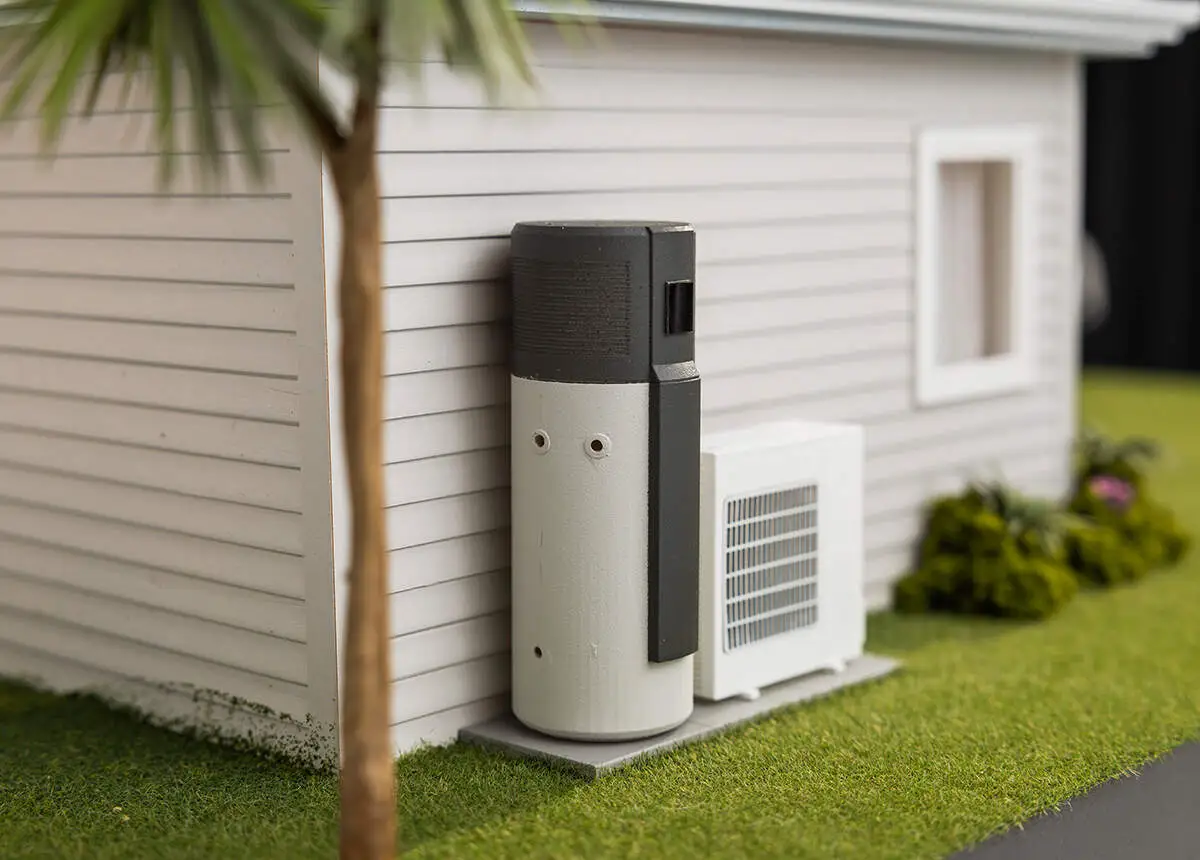
The installation assessment should consider existing plumbing, cylinder location and available electrical connections. It should also account for airflow around the outdoor equipment. Restricted airflow affects operation, so the selected position needs adequate clearance and sensible access for servicing.
Practical Installation Considerations
Replacing a cylinder involves more than removing the old unit. The installer needs to check pipework, drainage, electrical protection and the condition of the supporting area. Older homes can require additional work if existing connections no longer suit the new system.
Noise also deserves attention during planning. Fans and compressors produce operating sounds, so their placement near bedrooms or neighbouring boundaries needs to be considered. A suitable location balances access, airflow, household comfort and local site conditions.
The cylinder’s position affects how easily water reaches bathrooms, kitchens and laundry areas. Longer pipe runs increase heat loss and delay delivery. Keeping the storage unit sensibly located helps maintain practical performance within the home.
Choosing Settings That Suit the Home
Operating settings influence both energy use and hot water availability. A lower heating schedule can reduce unnecessary operation, while sufficient stored water remains necessary during busy periods. Household routines should guide the settings rather than relying on a generic programme.
Temperature control also matters for hygiene and safe use. The system must heat and store water according to the manufacturer’s instructions and applicable installation requirements. Professional commissioning confirms that controls, connections and safety devices operate correctly.
Regular maintenance protects performance over time. Filters, fans, pipework and electrical components need inspection according to the manufacturer’s schedule. Prompt attention to unusual noise, reduced hot water or visible leaks prevents a small fault from becoming a larger repair.
Comparing Total Value
The purchase decision should include installation work, expected electricity use, maintenance and the age of the existing cylinder. A lower purchase price does not automatically produce lower household costs if the system suits the demand poorly.
Homeowners should ask how the system performs under local conditions and whether the proposed location supports proper airflow. They should also confirm warranty terms, service access and control options before approving the work.
A qualified installer can assess the property and explain the available configuration without relying on assumptions. That assessment links the equipment to actual water use, plumbing constraints and household routines.
Conclusion
Heat pump hot water systems suit Kiwi households that want to reduce the electricity used for water heating while retaining stored hot water. Their performance depends on correct sizing, sensible placement, suitable controls and regular maintenance.
Homeowners considering a replacement should record daily hot water patterns, inspect the current cylinder’s condition and arrange a site assessment. Those steps create a clearer comparison of installation costs, expected operation and the household’s practical needs.