Mud, sand, and pooled water do more than soil a cab. They raise slip risk, hold dampness against flooring, and grind abrasive grit into factory surfaces. Many owners focus on thick rubber first, yet movement deserves equal attention.
A mat that slides during braking or creeps near pedals can affect foot placement at the worst moment. Secure retention, close floor matching, and simple cleaning deserve careful review before any purchase.
Why Movement Matters
A loose mat turns ordinary driving into a constant correction. Boots catch edges, heel positions shift, and debris settles where coverage should remain flat.
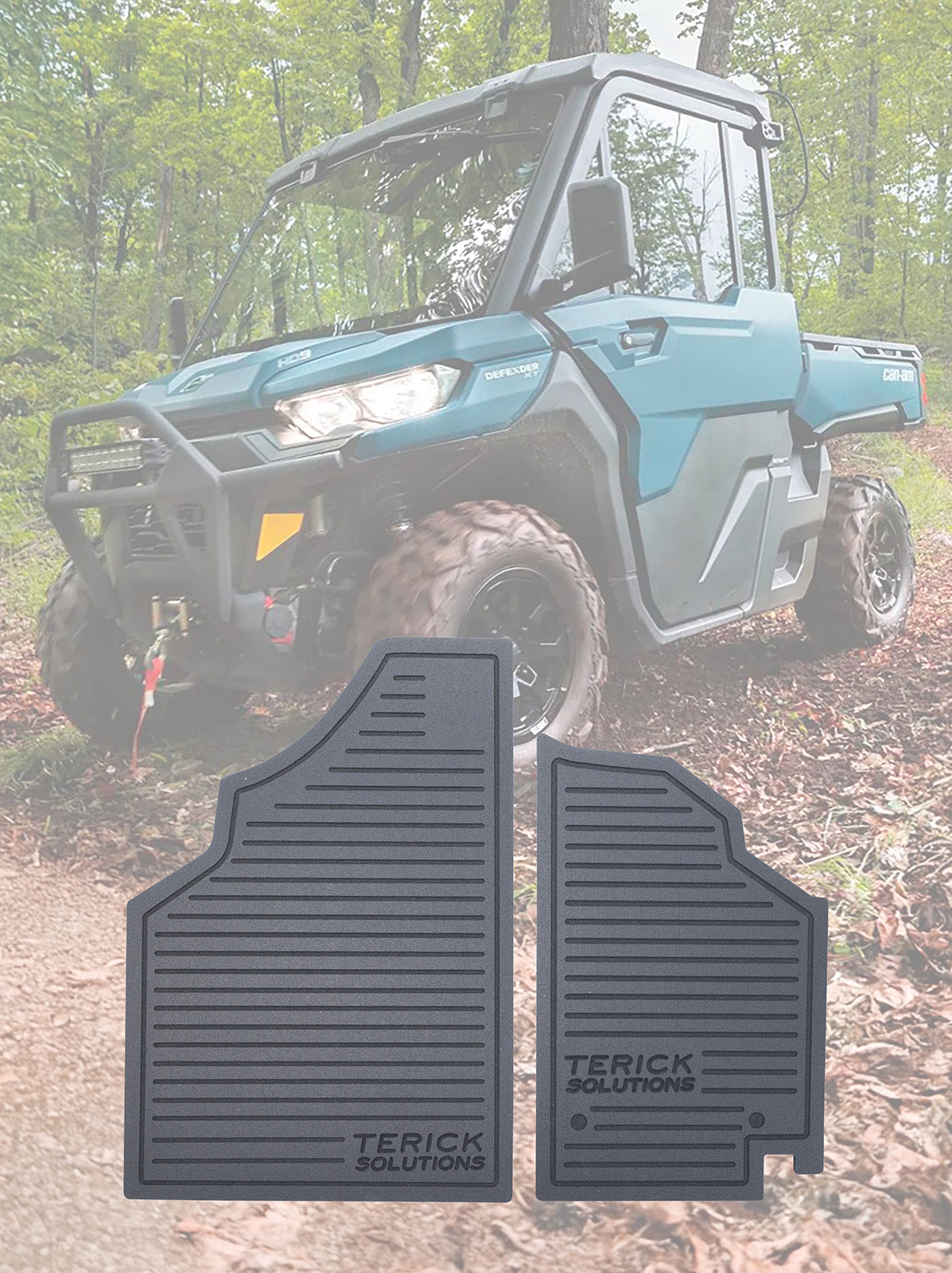
Riders comparing Polaris UTV floor mats often find that shape control matters more than thickness by itself. Deep channels help hold runoff, yet stable anchoring keeps those grooves lined up with entry points, pedal use, and daily mud loads. That balance usually separates basic coverage from dependable cabin control.
Fit Should Follow the Floor
Flat sheets rarely match a molded cab floor. Better mats mirror factory contours, seat bases, and center tunnel angles, so edges sit down without curling upward.
Tight shaping reduces gaps where dust and water slip underneath. A precise outline also limits rocking during cornering. If product photos show open space near pedals or doors, retention may weaken long before the first ride ends.
Check the Retention System
Retention points matter as much as the mat material. Some products rely on friction alone, while stronger options use factory clips, anchor holes, or molded nibs beneath high-contact zones.
Mechanical hold works better on wet flooring than weight by itself. Buyers should confirm that mounting points line up with stock attachment areas. Any product needing trim near anchors may lose the feature meant to keep it planted.
Edge Height Controls Mess
Raised edges help contain water, clay, and small stones before they spread across the cab. Low lips may look neat at first, yet they spill fast during sharp turns.
Taller walls work best when they stay flexible and resist collapse under boots. Channel depth matters, too. Shallow patterns fill quickly, while deeper grooves hold more runoff until the next wash.
Material Changes Daily Comfort
Material choice affects grip, odor, cleanup, and long-term shape. Very hard rubber can feel slick once coated with fine dust. A softer compound often holds the sole better, though it still needs enough firmness to resist folding.
Cold weather behavior deserves a quick check as well. Some mats stiffen in winter and lift at corners. Others keep their form through heat, wash cycles, and repeated drying.
Coverage Must Match Use
Trail riders and farm crews carry very different debris. Hunting routes bring wet leaves and sticky clay, while work sites add gravel, feed, or fertilizer dust.
Coverage should reflect that pattern of use. Full footwell protection helps frequent entry and exit. Rear sections matter, too, because passengers bring in just as much residue. The goal is controlled containment, rather than basic front-row protection.
Cleaning Should Stay Simple
A floor mat can fit well and still become a burden. Deep grooves are useful, but they should rinse clean without trapping grime in tiny corners. One-piece designs may hold debris better, yet they can feel awkward to remove.
Multi-piece layouts lift out faster if seams stay tight. Buyers should look for surfaces that release mud with a hose, rather than needing brushes after every wet ride.
Watch the Pedal Area
The driver side deserves the closest review. Clearance near the throttle and brake should stay consistent through the full range of pedal travel. A raised edge placed too close to foot controls can shift attention at the wrong moment.
Heel pad texture helps because repeated contact wears smooth spots quickly. Reinforced driver zones usually last longer and keep boot placement steadier during longer rides.
Small Details Show Build Quality
Product quality often shows through small details before long-term wear begins. Clean cut lines, even channel depth, and uniform texture suggest better molding control. A sharp chemical odor can hint at lower material quality or weaker finishing standards.
Drain access is another useful clue. If plugs remain reachable after installation, routine washout becomes easier. Those signs do not guarantee performance, but they often point in the right direction.
Conclusion
The best floor mat does more than cover exposed flooring. It stays aligned, contains runoff, supports safe pedal use, and cleans without wasted effort.
Buyers looking past basic rubber sheets should compare fit accuracy, anchor design, edge height, material behavior, and driver-side wear protection first. Those features affect daily comfort and cabin safety far more than thickness alone. A stable mat keeps the interior cleaner and the ride more predictable.