Mobile Device Forensics: An Overview
Mobile device forensics has become an essential discipline in today’s digital world. As smartphones and tablets continue to dominate communication, they store valuable information, which can be critical in legal cases, investigations, or data recovery processes.
With the right techniques, forensic experts can extract, analyze, and present digital evidence stored on mobile devices.
What is Phone Forensics?

Phone forensics is a specialized branch of mobile device forensics focused on retrieving information from smartphones. Experts analyze call logs, messages, app data, location history, and more.
This is particularly useful in criminal investigations, where phone records can reveal crucial evidence such as communication patterns or geolocation data.
In the middle of a typical forensic process, specialists begin with data extraction. They create a forensic image of the device, a bit-by-bit copy of its memory, preserving evidence without modifying the original data.
After extraction, the analysis phase starts, where critical information is filtered and reviewed to support investigations.
The Role of Mobile Phone Forensics in Legal Investigations
Mobile phone forensics has played a pivotal role in solving many high-profile cases. Forensic analysts can recover deleted messages, track a user’s movements, and uncover hidden files.
In fact, mobile phone data has become one of the most valuable assets in digital forensics, helping law enforcement agencies prosecute criminals effectively.
For example, mobile forensics can help law enforcement:
- Uncover deleted messages, emails, and media files.
- Extract geolocation history to determine the suspect’s whereabouts.
- Analyze social media interactions and app data for evidence.
Forensic experts must follow strict protocols during the process, ensuring that the chain of custody is maintained, and evidence remains admissible in court.
Tools and Techniques in Mobile Device Forensics
The field of mobile device forensics utilizes specialized software and hardware tools designed to extract and analyze data. Here are the most common methods:
- Logical Extraction: This method retrieves data that is easily accessible on the device, such as contacts, call logs, and messages.
- File System Extraction: Provides deeper access to a mobile device’s internal structure, allowing experts to recover deleted files.
- Physical Extraction: Gathers data by creating a complete image of the device’s memory, providing access to even hidden or deleted data.
These extraction techniques enable forensic experts to recover everything from simple call logs to encrypted files.
Challenges in Mobile Phone Forensics
While mobile phone forensics is highly effective, it comes with its own set of challenges. Devices often have security features like passcodes, fingerprint scans, or encryption, making data extraction difficult.
Additionally, the vast array of operating systems (Android, iOS) and frequent software updates can complicate the forensic process.
Another significant challenge is the sheer volume of data. A modern smartphone can store an overwhelming amount of information, and forensic experts must sift through it to identify relevant evidence.
Key Applications of Phone Forensics
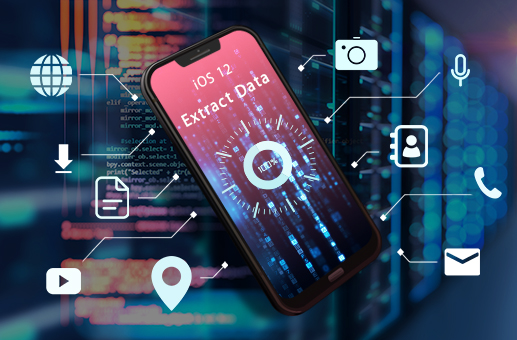
In the world of phone forensics, investigators rely on mobile data for several purposes, such as:
- Criminal Investigations: Mobile devices provide crucial evidence in cases ranging from drug trafficking to cybercrime.
- Corporate Investigations: Forensics is used to uncover fraud, insider trading, or data theft.
- Data Recovery: Forensics professionals help individuals and companies recover lost or deleted information.
Additionally, mobile forensics has been instrumental in combating cyber threats, protecting intellectual property, and uncovering fraudulent activities.
Future of Mobile Device Forensics
The future of mobile device forensics looks promising, as technology continues to evolve. With the increasing use of cloud storage, experts will need to adopt more advanced methods to access and analyze off-device data.
Artificial intelligence (AI) and machine learning (ML) are also expected to play significant roles in automating data analysis and identifying relevant evidence faster.
Forensic experts will also face new challenges as devices become more secure and data encryption becomes more widespread. However, with evolving tools and techniques, the field will likely keep pace with technological advancements.
Conclusion
In summary, mobile device forensics is an indispensable tool in today’s world, helping law enforcement, businesses, and individuals recover valuable information and solve complex cases.
The use of mobile phone forensics in investigations is essential in retrieving evidence, and the techniques involved are becoming more sophisticated every day.
As the digital landscape continues to expand, the role of mobile forensics will only grow in importance, making it a critical component of modern-day investigative work.