Key Takeaways
- Typography is evolving to be more expressive and dynamic, moving beyond traditional minimalism.
- Trends like kinetic typography and variable fonts enhance user engagement and adaptability.
- Designers are blending retro styles with modern aesthetics to create unique visual experiences.
Table of Contents
- Introduction
- Kinetic Typography: Bringing Text to Life
- Variable Fonts: Versatility in Design
- Retro Meets Modern: A Nostalgic Twist
- Expressive Typography: Breaking the Mold
- AI’s Influence on Typography
- Conclusion
Introduction
Typography has always influenced both the visual appeal and effectiveness of web design. In today’s digital ecosystem, it not only helps define a brand’s personality but also enhances the overall user journey.
As new technologies and cultural movements gain ground, designers are embracing a broad range of styles to make their sites stand out.
For anyone seeking inspiration and the latest styles, exploring website typography examples can help spark new ideas for project direction and implementation.
Shifts in internet culture, device technology, and design tools have propelled typography into a new era. No longer confined to rigid systems or strict minimalism, typographic choices are bolder, more adaptable, and more expressive than ever. Trendsetters are experimenting with fonts, motion, and heritage to build distinctive digital experiences that encourage user engagement and brand recognition.
Beyond simply communicating content, typography on the web now balances function and form, driving storytelling and evoking stronger emotional responses. Design decisions, from the movement of type to the choice of font, intersect with technical and aesthetic values. As a result, typography is now as much about feeling and impact as it is about clarity and hierarchy.
Emerging fonts and trends demonstrate that typography has become a dynamic force, reflecting both the diversity of the creative industry and the technologies pushing it forward. Staying up to date on these trends can help designers deliver more innovative, user-focused solutions. For a broader perspective on how design impacts user experience overall, resources like Creative Bloq’s graphic design trend coverage provide ongoing inspiration and in-depth analysis.
Kinetic Typography: Bringing Text to Life
Kinetic typography transforms static text into moving visuals. Animation and interactivity allow letters and words to guide users’ attention, highlight key messages, and elevate storytelling in digital products. For example, animated text headlines or dynamic menu items enhance visitors’ experience on a site, making branding more memorable and navigation more intuitive. This trend is widely used in modern advertising, landing pages, and digital campaigns where brands aim to connect emotionally through visual storytelling.
As hardware and browser support for animation improve, kinetic typography options expand from subtle fade-ins to complex movements. Designers are using CSS and JavaScript libraries to synchronize typography with content or user actions, creating a seamless sense of flow. However, balance remains essential, ensuring animations support usability and don’t overwhelm or slow down the site for users.
Variable Fonts: Versatility in Design
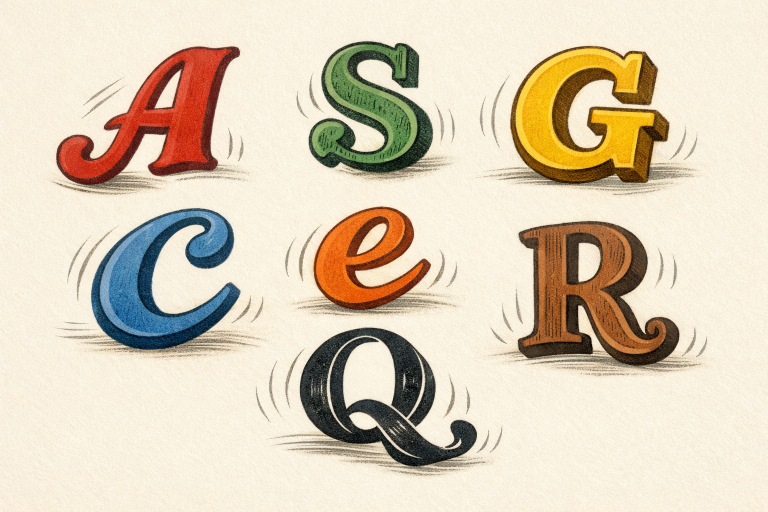
Variable fonts represent a significant technological leap, condensing multiple font styles into a single file. Designers can effortlessly adjust weight, width, slant, and optical size, achieving consistency across breakpoints and optimizing on the fly for different devices. This flexibility improves performance by reducing the number of font files needed while offering more granular control over appearance.
Variable fonts are particularly valuable for responsive frameworks, allowing typography to adapt to any screen size or environment. Brands benefit from this trend by maintaining a coherent style guide across marketing channels, product interfaces, and communications. Resources such as Coursera’s article on web design trends offer detailed insights for those wanting to explore this trend in more depth.
Retro Meets Modern: A Nostalgic Twist
The merging of retro and contemporary styles is producing some of the most visually engaging typography today. By integrating typefaces from previous decades with streamlined grids and modern color palettes, designers tap into nostalgia without sacrificing clarity or current expectations.
This approach is popular with brands targeting audiences who appreciate both vintage authenticity and modern aesthetic sensibilities.
Combining chunky serif fonts or bold sans-serif fonts with minimal layouts strikes a balance: it attracts users’ attention while delivering information efficiently. This nostalgic yet fresh language is being amplified in industries from fashion to tech, where storytelling and differentiation are crucial.
Expressive Typography: Breaking the Mold
Expressive typography is about infusing design with emotion, playfulness, or assertiveness. Designers are letting go of predictability by using oversized lettering, off-kilter alignments, lively gradients, and distinctive color pairings. This customization fosters a stronger brand identity and attracts users by visually signaling energy or uniqueness right from the landing page.
These creative choices allow brands big and small to craft digital signatures that set them apart. Whether introducing a quirky new startup or refreshing a global company, expressive typography resonates in an online landscape overflowing with sameness. This trend is part of a broader movement toward authenticity, experimentation, and individuality.
AI’s Influence on Typography
Artificial Intelligence is rapidly shaping how designers discover, customize, and implement type. AI tools analyze context, mood, and descriptive prompts to recommend the perfect font pairings or automatically generate innovative designs.
For example, platforms like Monotype use AI to streamline font selection via natural language, so designers can describe their ideal look and receive tailored recommendations instantly.
This technological leap makes high-quality type choices accessible to a broader range of creators, speeds up project timelines, and helps ensure greater consistency across touchpoints. With continued advancements, AI is set to further accelerate discovery and creativity in web typography.
Conclusion
Typography in modern web design is in a period of vivid transformation. As trends move toward greater fluidity, nostalgia, personality, and technological sophistication, designers have unprecedented power to shape visual stories and user experiences.
Embracing these trends and tools not only elevates site aesthetics but also builds stronger brand connections and more engaging products that stand out in a crowded marketplace.