


A weekend in a new city often feels rushed when the goal is to hit every landmark. Focusing on neighborhoods instead creates more room for cafés, parks, shops, architecture, and spontaneous stops. It also reduces time spent crossing the city and makes the schedule easier to adjust.
Choosing a base near reliable transport supports that approach. Instead of racing between attractions, travelers can build the weekend around one or two connected areas and spend more time experiencing them.
Why Neighborhood-First Travel Beats Landmark Hopping
Landmark hopping spreads energy across long distances and crowded transport. Neighborhood exploration keeps movement shorter and more predictable.
Urban travel research often uses walking distances of roughly 400 meters to bus stops and 800 meters to rail stations as practical accessibility thresholds. Other studies record average walking segments of around 743 meters during transfers.
Selecting a base within comfortable walking distance of useful transport can therefore cut unnecessary movement and leave more time for the city itself.
Pick One or Two Areas That Can Carry the Weekend
Two well-connected neighborhoods usually provide enough variety for a short stay. Before booking accommodation, useful indicators include walking distance to transit, service frequency, and overall connectivity. Open-data portals and GTFS-based planners can help verify schedules, while street-network routing tools often provide more realistic walking times than straight-line maps.

Choose a Base That Reduces Transit
A strong base places several daily needs within a short walk or one quick ride. Neighborhoods with nearby stops, frequent service, and direct links to airports or rail stations reduce friction throughout the weekend.
Official city transit sites can confirm whether routes that look convenient on a map actually operate frequently on the planned dates.
Check Walking Distances Before You Book
Distance thresholds vary by city and transport mode. Some accessibility analyses use 200 meters as a strict close-stop measure, while 500 meters often appears as a workable urban benchmark.
Checking actual walking routes matters because bridges, large intersections, rail lines, and limited crossings can turn a short-looking distance into a longer walk.
Match the Neighborhood to Your Trip Style
Quiet residential areas suit slower mornings and parks. Mixed-use districts with retail, cafés, and nightlife work better for travelers who prefer staying out most of the day.
Checking recent venue hours is especially useful for Sunday and Monday, when restaurants, galleries, and independent shops may follow different schedules.
Build a Day Around Local Rhythm
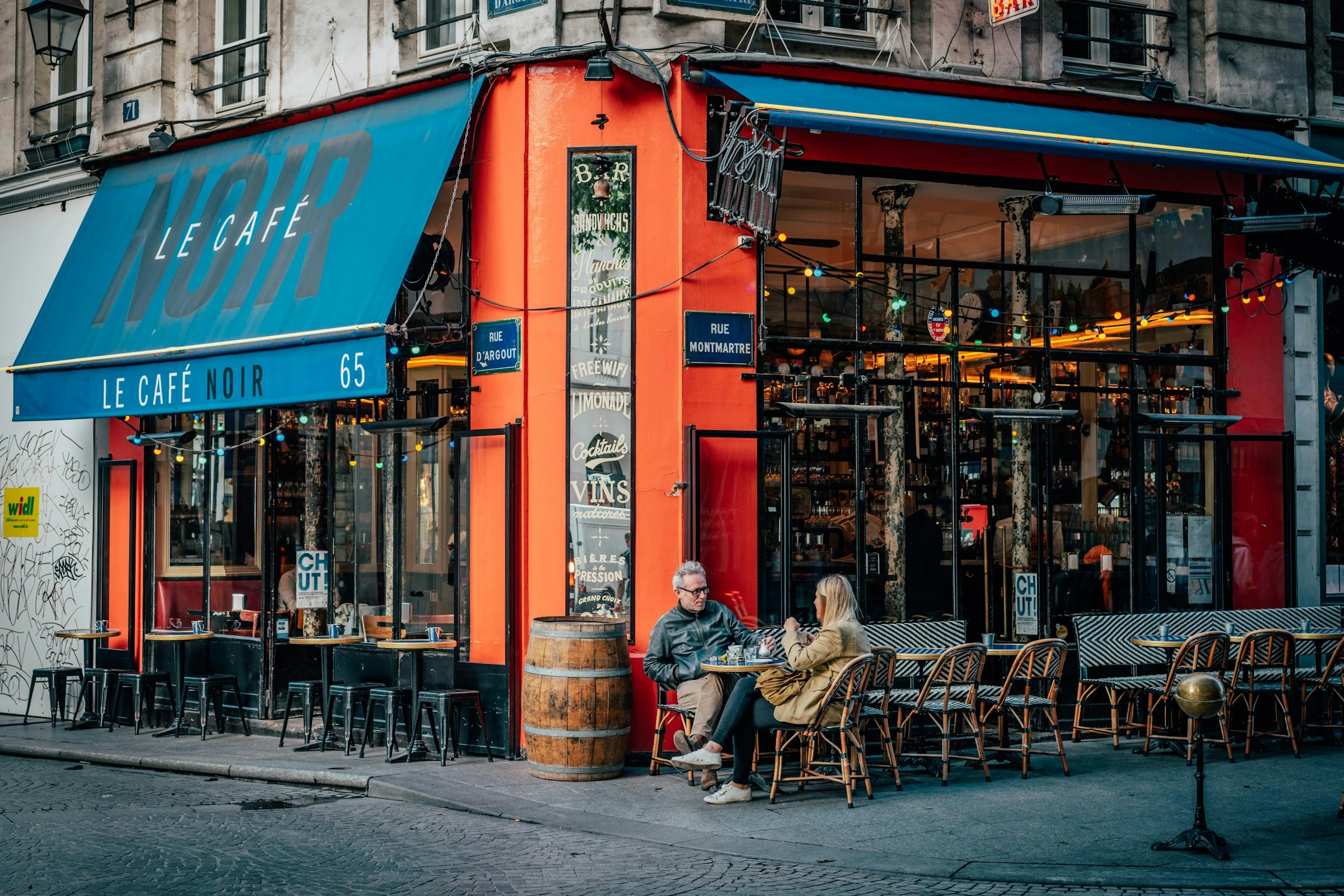
A neighborhood day works best when it follows existing patterns rather than a rigid checklist. Coffee shops are natural morning stops, markets often operate on fixed days, and parks remain flexible because they rarely require reservations.
Morning Coffee and a Slow Start
Starting near a few reliable cafés lets the first hours set the pace. Travelers can have breakfast, check the weather, confirm reservations, and decide what feels realistic before heading farther out.
Shops, Architecture, and Streets Worth Wandering
Independent retail streets reward unhurried movement. Buildings, storefronts, courtyards, and side streets often reveal details that major sights miss.
Allowing two to three hours for this part of the day keeps it from feeling like another timed attraction.
Training, Parks, or an Outdoor Reset
A workout, waterfront walk, or park break can provide a useful reset in the middle of the day. City recreation pages usually list current schedules and seasonal changes.
These stops work especially well when the weather is good and there is no reason to cross town for another indoor attraction.
Keep Nights Easy: Dinner, Bars, and the Walk Home
Evening plans work better when the return route stays simple. Many transit systems reduce frequency later at night, so checking final departures before choosing a restaurant or bar can prevent a complicated journey home.
In busy entertainment districts, it is also worth checking whether taxis and rideshare vehicles use designated pickup zones.
Why This Works for Solo Trips, Friends, and Quick Escapes
Solo travelers gain the freedom to linger or change direction. Friends traveling together benefit from having restaurants, bars, parks, and transport in the same general area.
For short weekend escapes, the biggest advantage is breathing room. A trip built around one or two neighborhoods leaves space for places discovered by accident instead of forcing every stop into a packed schedule.
Leave Space Without Losing the Plan
Gaps in the schedule protect against delays, bad weather, long meals, or places worth more time than expected. Timed-entry attractions can still be booked in advance while the hours around them remain flexible.
The same applies to arrival and departure days. Hotel check-in and check-out times do not always match train or flight schedules, and carrying bags can make an otherwise easy afternoon inconvenient. Travelers who need somewhere to leave their belongings between accommodation and the next part of the trip can use Qeepl luggage storage instead of planning the day around their bags.
Before leaving, it helps to:
- confirm hotel check-in and check-out times;
- check the last useful public transport departure;
- save one or two backup restaurants that accept walk-ins;
- verify opening days for shops, galleries, and markets;
- leave at least one flexible block with no reservation;
- check where bags can be left if arrival or departure creates a gap.
Common Mistakes That Turn a Short Trip Into Work
Cross-city transfers consume more time than expected, while poorly placed dinner reservations or missed transport connections can break up an otherwise relaxed day.
| Situation | What could go wrong | What to do |
|---|---|---|
| Long transfer between areas | The afternoon disappears in transit | Limit the day to one or two connected neighborhoods |
| Late dinner slot unavailable | The evening plan falls apart | Book ahead or identify walk-in alternatives |
| Hotel desk closes early | Late arrival creates check-in problems | Confirm reception hours in advance |
| No useful night transit | Returning after bars becomes complicated | Check final departures before choosing the venue |
| Storage option unavailable | Bags limit plans after checkout | Check location, hours, and requirements in advance |
| Timed ticket window missed | The day becomes difficult to rearrange | Reserve only attractions that genuinely need fixed times |


