


Understanding the Need for Professional Asbestos Removal
One dangerous substance that is frequently found in older buildings is asbestos. When its fibers become airborne, they pose significant health risks. The complexity of asbestos removal necessitates the expertise of trained professionals.
Opting for restoration services focusing on asbestos safety can ensure the process is conducted efficiently and with minimal risk.
Given the potential for severe health impacts, the stakes are high regarding properly handling asbestos materials.
Attempting DIY removal is not advised due to the stringent safety protocols required. Professional asbestos removal teams have the necessary training and the right equipment to prevent contamination.
Their understanding of containment, abatement, and disposal processes is indispensable in mitigating health risks associated with asbestos exposure.
Certification and Licensing
Certification and licensing are critical when selecting an asbestos removal professional. These certifications show that the service provider complies with recommended safety and work practices and has fulfilled strict industry standards.
Professionals certified by recognized bodies have undergone thorough training, ensuring they have the expertise to manage asbestos risks correctly.
Local regulatory bodies typically verify licensing. It’s crucial to ensure these professionals carry updated certifications, as regulations and best practices evolve. Their capability to handle hazardous materials safely and legally is a testament to their commitment to client safety and regulatory compliance.
Experience and Reputation
Experience is a valuable asset in the asbestos removal industry. Companies with a solid track record tend to have refined their techniques and established reliable methodologies for safe asbestos management.
Researching a company’s past projects and client testimonials can provide insights into their operational competency and reliability.
In addition to experience, reputation plays a key role. Recommendations and reviews from previous clients offer valuable information on a company’s professionalism, punctuality, and quality of service. Leveraging online reviews and ratings and seeking references from past clients can help gauge the likelihood of a satisfactory and safe job completion.
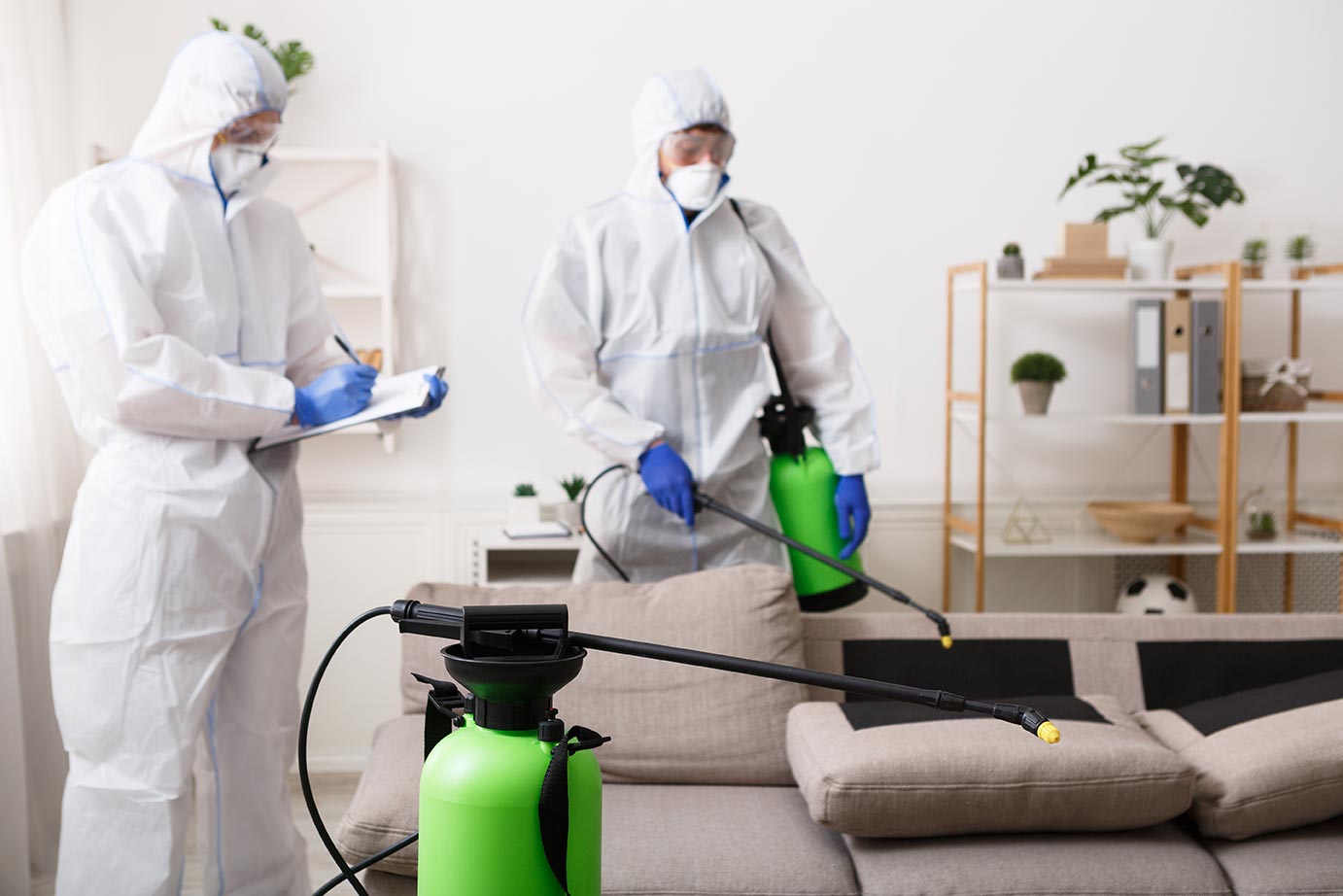
Ensuring Regulatory Compliance
Regulatory compliance is non-negotiable in the field of asbestos removal. Companies must follow stringent guidelines set by authorities, such as OSHA in the USA, ensuring minimal exposure risk during removal and disposal processes.
The right asbestos removal professionals will be well-versed in these regulations and work in strict conformity with legal requirements. Their knowledge protects their teams and ensures the safety of building inhabitants and the environment.
Compliance with regulations reflects a company’s commitment to operational excellence and public health.
The Role of Professionalism in Asbestos Management
Professionalism encompasses several aspects, including communication, transparency, and commitment to delivering quality service.
A professional approach involves providing clients with a detailed plan outlining the steps, timelines, and safety protocols involved in the removal of asbestos. Clear communication helps manage expectations and builds trust.
Professionals in this field should also be committed to continuing to learn and adopt the latest practices in asbestos management.
Staying Informed and Up-to-Date
In the ever-evolving landscape of asbestos regulation and technology, staying informed is essential for professionals and clients.
Clients should seek professionals who prioritize ongoing education and remain informed about industry advancements. This ensures they employ the latest safety techniques and comply with current regulations.
Resourceful websites, industry publications, and regulatory body guidelines provide up-to-date information on best practices and developments in asbestos management.
For clients, investing time in understanding these resources supports informed decision-making and contributes to a safer environment for all stakeholders involved in asbestos handling and removal.