


Your credit report plays a huge role in your financial life—it affects your ability to get loans, credit cards, and even some jobs. But what many people don’t realize is that credit reports often contain errors that can unfairly damage your credit score.
These mistakes can range from small typos to major inaccuracies, and if you’re dealing with complex financial situations like private student loan consolidation, having a clean and accurate credit report is even more important.
Let’s take a look at some of the most common errors you might find on your credit report and why it’s essential to spot and fix them.
Inaccurate Personal Information
Sometimes, the basics on your credit report aren’t quite right. Misspelled names, incorrect birthdates, or wrong addresses can appear, especially if you’ve moved recently or share a common name with someone else.
While these might seem minor, they can lead to bigger problems like your credit activity being mixed up with someone else’s. If you spot any errors here, getting them corrected helps ensure that all the information attached to your report truly belongs to you.
Accounts That Don’t Belong to You
One of the more serious errors involves accounts that aren’t yours. This could happen due to identity theft, a clerical mix-up, or even fraud. Imagine seeing a credit card or loan on your report that you never opened—that’s a red flag.
If you find unfamiliar accounts, it’s critical to report them immediately and take steps to protect your identity. This is especially important if you’re trying to manage or consolidate loans, like private student loan consolidation, where your credit standing matters a lot.
Duplicate Accounts
Sometimes, the same debt gets listed more than once, making it look like you owe more than you actually do. This duplication can happen due to reporting errors from lenders or credit bureaus.
Duplicate accounts can artificially lower your credit score because they inflate your total debt and credit utilization. Keeping an eye out for these duplicates and disputing them when found helps present a more accurate picture of your finances.
Incorrect Account Status
Your credit report should accurately show whether accounts are open, closed, paid off, or in collections. Errors like marking a paid account as delinquent or showing an account as still open when it’s closed can hurt your credit score.
For example, if a loan you paid off is still listed as unpaid or late, that can lower your score unfairly. Correcting these status errors is crucial to maintaining good credit health.
Wrong Balances and Payment History
The balances listed on your accounts and your payment history also need to be spot on. Sometimes balances are outdated or incorrectly reported, showing higher amounts than you actually owe.
Similarly, payment history errors—such as reporting a late payment you made on time—can seriously impact your creditworthiness.
Double-checking these details and disputing mistakes can prevent unnecessary damage to your score.
How to Check and Fix Credit Report Errors
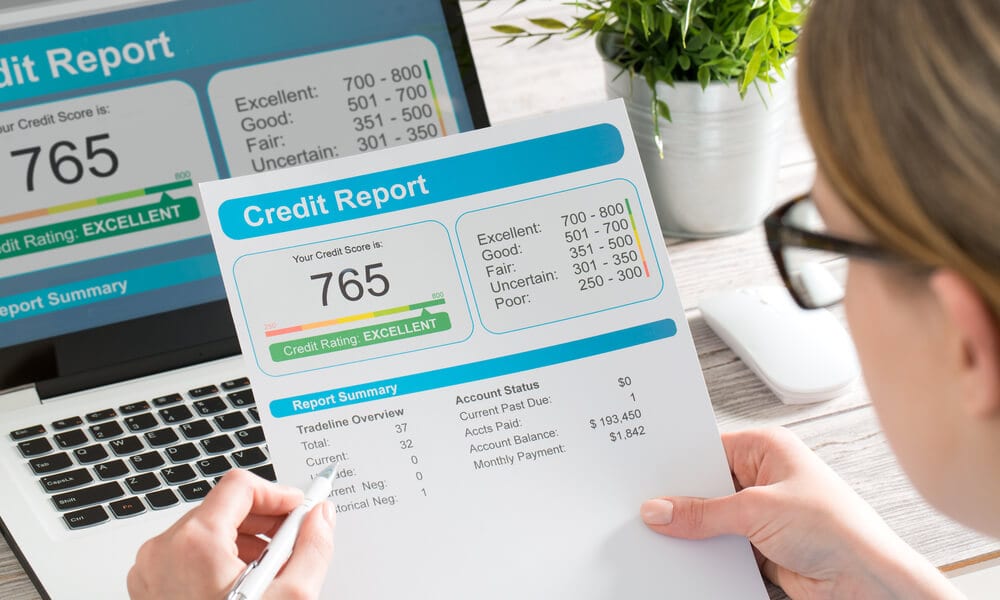
The good news is you have the right to a free credit report annually from the three major credit bureaus. Review each report carefully to spot any of the errors we’ve discussed.
If you find mistakes:
Fixing errors can improve your credit score and make a big difference in your financial opportunities.
Why Accurate Credit Reports Matter More Than Ever
With so many financial decisions hinging on your credit, maintaining an accurate report is crucial.
Whether you’re applying for a mortgage, refinancing student loans, or exploring private student loan consolidation, errors on your report can cost you money and opportunities.
Taking the time to regularly review your credit report and correct mistakes isn’t just about numbers—it’s about protecting your financial future.
Final Thoughts: Take Charge of Your Credit Report
Credit report errors are more common than most people realize, but they don’t have to hold you back. By understanding the types of mistakes that occur and actively monitoring your report, you empower yourself to correct inaccuracies and strengthen your credit.
Remember, your credit report is a snapshot of your financial health. Keeping it accurate is one of the best things you can do for your money—and your peace of mind.


