Clear identification is essential in workplaces where equipment, controls, machinery and electrical systems need to be easily recognised. Labels used in these environments must remain readable despite regular handling, cleaning and exposure to everyday workplace conditions.
Traffolyte Labels are widely used for this type of identification because their multi-layer construction allows information to be permanently engraved into the material. Rather than relying on printed text or applied lettering, the identification becomes an integral part of the label itself.
What Are Traffolyte Labels Made From?
Traffolyte is a laminated engraving material consisting of multiple layers with contrasting colours. The upper layer can be engraved to expose the differently coloured layer beneath it.
This creates visible lettering, numbers or symbols through the contrast between the material layers. The process allows labels to be produced with clear and consistent identification without relying on ink to maintain readability.
The availability of different colour combinations also allows businesses to select a label appearance appropriate for particular equipment or identification requirements.
Why Are Traffolyte Labels Durable?
One of the key characteristics of Traffolyte is its engraved construction. Because the identification is cut into the material rather than simply printed onto its surface, there is no separate ink layer that can easily wear away through normal handling.
This makes engraved labels useful for environments where identification needs to remain visible for extended periods. They can be used for equipment names, control switches, electrical panels, machinery and other installations where permanent identification is required.
However, the appropriate material specification should always be selected according to the intended environment and exposure conditions.
How Does an Engraving Machine Create Traffolyte Labels?
An engraving machine removes a controlled amount of material from the surface of the Traffolyte sheet. The machine follows a digital design containing the required text, numbers, symbols or other information.
As the upper layer is removed, the contrasting layer underneath becomes visible. The result is sharp lettering that can be easily distinguished from the surrounding surface.
The engraving depth needs to be controlled carefully. If insufficient material is removed, the underlying colour may not appear consistently. Excessive cutting can affect the appearance and integrity of the finished label.
Where Are Traffolyte Labels Commonly Used?
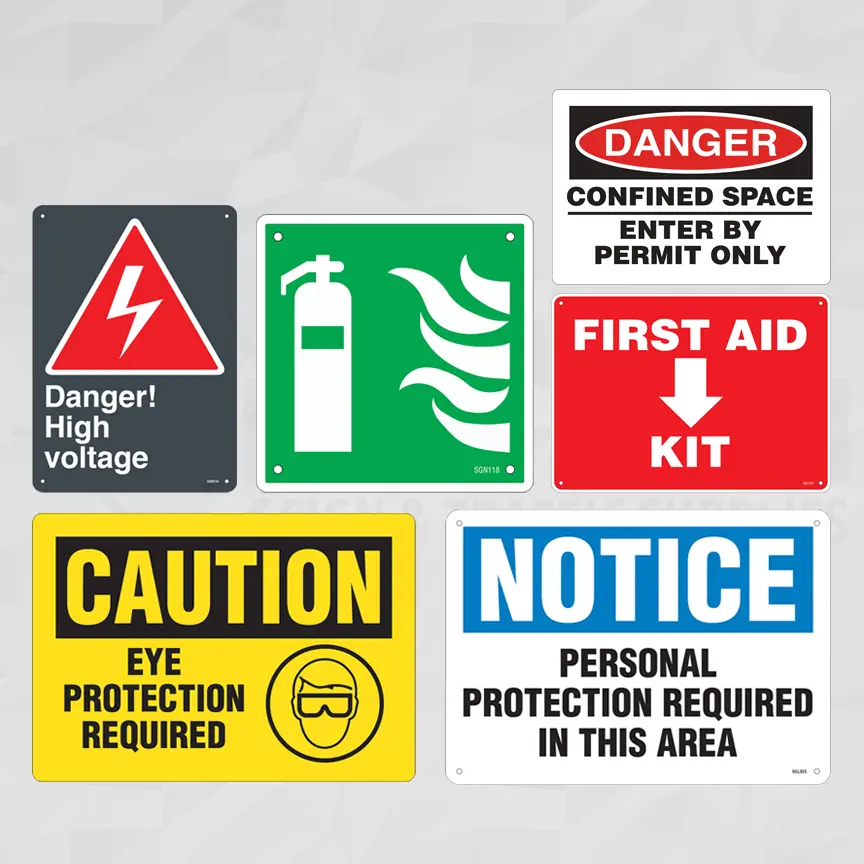
Traffolyte labels can be used across a range of indoor and industrial applications. Common examples include electrical switchboards, control panels, machinery, equipment identification and facility signage.
They can also be used to identify switches, controls, components and operating areas where clear information is important.
In industrial environments, consistent labelling can help workers identify equipment and controls more quickly, particularly where multiple components are installed close together.
What Makes Engraved Labels Suitable for Indoor Signage?
Indoor signage can be exposed to frequent contact, cleaning products and general workplace activity. Printed labels may become damaged or less readable depending on the printing method and environment.
Engraved Traffolyte Labels provide a physical identification method that does not depend solely on surface printing. The contrasting layers help maintain visibility, while the engraved construction provides a practical option for long-term indoor identification.
This can be particularly useful in commercial buildings, workshops, manufacturing facilities and electrical installations.
Can Traffolyte Be Used in Industrial Environments?
Industrial workplaces often require labels that can withstand more demanding conditions than standard office signage. Equipment may be subject to regular handling, dust, cleaning and mechanical contact.
Traffolyte can be suitable for many indoor industrial identification applications, provided the selected material is appropriate for the expected conditions. The label design and engraving depth can also influence readability and durability.
For environments involving significant heat, chemicals, outdoor exposure or other specialised conditions, the material manufacturer’s recommendations should be considered before installation.
What Information Can Be Engraved?
The flexibility of an engraving machine allows a variety of information to be incorporated into a Traffolyte label. This can include equipment names, identification numbers, warning information, switch descriptions, directional symbols and other operational details.
Digital layouts can also help maintain consistent spacing and positioning across multiple labels. This is useful when a facility requires a large number of labels with matching designs.
Choosing the Right Engraving Process
The quality of an engraved label depends on several factors, including the material, machine settings, engraving depth, cutter selection and design specifications. Testing the material before production can help establish settings that produce clear and consistent results.
For businesses requiring durable indoor and industrial signage, Traffolyte provides a practical combination of contrasting layers and engraved identification. When processed using a suitable engraving machine, the material can produce clean, readable and long-lasting labels for a wide range of equipment and signage applications.