


Acne affects millions of people worldwide, but honestly, a lot of us keep searching for answers even after trying all the usual stuff. Sometimes, the lesser-known tricks are the ones that finally help when nothing else seems to work.
Beyond the usual face washes and spot treatments, there are several overlooked acne solutions that dermatologists recognize as potentially effective. These include things like cutting back on dairy, adding zinc supplements, or slathering on honey as a natural antibacterial mask. Who knew, right?
The path to clearer skin isn’t always straightforward. What clears up one person’s acne might do nothing for someone else, so it’s worth mixing things up and trying new options—especially if your breakouts just won’t quit.
Innovative Topical Acne Treatments
Some newer topical treatments are changing the game for acne. These products tackle different causes, from bacteria to inflammation, and don’t always work the way you’d expect.
Azelaic Acid Creams
Azelaic acid, which comes from grains like barley and wheat, has gotten a lot of attention for clearing pores and calming skin without that harsh, burning feeling.
If your skin’s on the sensitive side, azelaic acid could be a safer bet than benzoyl peroxide or retinoids. It kills acne-causing bacteria and stops keratin from clogging your pores.
Dermatologists have seen 15-20% azelaic acid creams work about as well as some prescriptions, especially for red, inflamed acne and leftover marks.
Most people notice a difference in 4-8 weeks if they stick with it. Look for products with 10-20% azelaic acid for the best shot at results.
Light Therapy Devices
At-home light therapy gadgets have brought pro-level treatments into our bathrooms. They use specific light wavelengths to zap acne bacteria right where they live. Blue light (about 415nm) goes after P. acnes bacteria, while red light (around 630nm) helps with swelling and healing. A lot of devices combine both for a double whammy. Some newer treatments include acne laser treatment.
Most of these are FDA-cleared and safe for different skin types. You just aim the light at your breakouts for a few minutes each day—pretty simple. With regular use, people have seen 40-60% fewer breakouts in 4-12 weeks. These gadgets seem to work best for mild to moderate inflammatory acne.
Probiotic-Based Serums
Probiotic skincare is one of the more interesting trends lately. These serums contain good bacteria (or their byproducts) to help balance out your skin’s microbiome. When your skin’s microbiome is healthy, it keeps inflammation in check and stops bad bacteria from taking over. Probiotic serums basically strengthen your skin’s natural defenses.
Look for ingredients like Lactobacillus, Bifidobacterium, and various ferments. They help keep your skin’s pH balanced and can calm redness, too. Some studies have found probiotic topicals can cut down inflammatory acne by up to 35%. These are a solid option if your skin reacts easily or gets irritated by stronger stuff.
Singapore’s hot and humid climate can be tough on acne-prone skin. The constant heat and moisture often lead to increased oil production and create the perfect environment for bacteria to thrive.
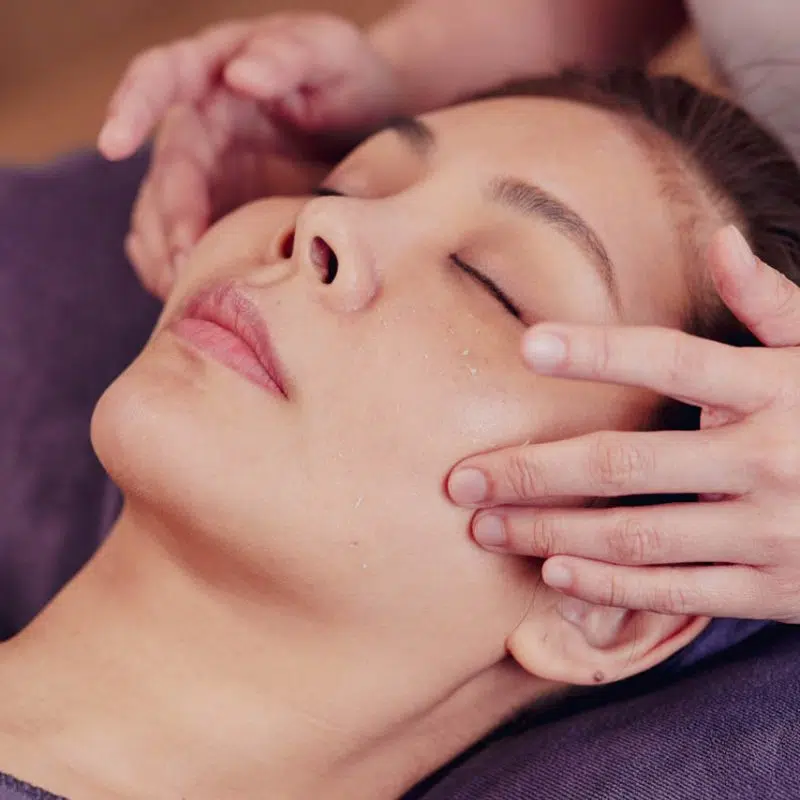
That’s why acne treatment in Singapore often focuses on managing excess oil and preventing clogged pores. Dermatologists typically recommend oil-free, non-comedogenic skincare products tailored for tropical weather. Popular ingredients like niacinamide and tea tree oil are frequently used, as they help control oil without drying out the skin.
Some clinics offer things like carbon laser peels and serums with Asian botanicals, which can help with both acne and dark spots that often stick around on Asian skin. Local brands have come up with lightweight gels that soak in fast and don’t leave you feeling greasy, which is a lifesaver in the humidity. They also keep the actives at lower concentrations to avoid irritating your skin in that climate.
Cutting-Edge Lifestyle and Dietary Strategies
There’s more and more evidence that what you eat and how you live can really show up on your skin. These new strategies aim to fix the root causes of acne, not just the surface stuff.
Low-Glycemic Nutrition Plans
Low-glycemic diets focus on foods that won’t spike your blood sugar. That can mean less inflammation and steadier hormones, both of which help cut down on breakouts.
Foods to prioritize:
- Whole grains (brown rice, quinoa)
- Legumes (lentils, chickpeas)
- Non-starchy vegetables
- Healthy fats (avocados, olive oil)
Foods to limit:
- White bread and pasta
- Sugary snacks and drinks
- White potatoes
- Processed foods
One study found people who stuck with a low-glycemic diet for 12 weeks saw up to 50% fewer acne lesions. You’ll need to give it a few weeks—usually 4-6—to see a noticeable difference.
Mindfulness and Stress Reduction
Stress messes with your hormones, and that can send your skin into overdrive. When cortisol rises, your skin makes more oil, and, well, you know what happens next.
Effective stress-reduction techniques:
- Daily meditation (even just 5-10 minutes)
- Deep breathing exercises
- Regular exercise
- Getting enough sleep (aim for 7-9 hours)
People who actually practice these stress-busting habits tend to have fewer stress breakouts. In fact, a 2021 study showed college students who did mindfulness for 8 weeks improved their acne severity by 35%. It might help to track your stress and your skin at the same time. You could spot patterns—and maybe even head off your next breakout before it starts.
Personalized Supplementation
Some supplements might help certain types of acne, but honestly, they’re usually most useful when you weave them into a bigger plan.
Evidence-based supplements:
| Supplement | Potential Benefits | Recommended For |
| Zinc | Reduces inflammation | Inflammatory acne |
| Omega-3s | Decreases oil production | Moderate to severe acne |
| Vitamin D | Improves immune response | Cystic acne |
| Probiotics | Balances gut microbiome | Hormone-related acne |
åIf you’re thinking about supplements, talk to your healthcare provider first. They can run blood tests to spot any deficiencies that might be messing with your skin.