


Key Takeaways
- Dental implants offer exceptional longevity and a natural, functional appearance.
- The procedure is generally comfortable, and modern techniques minimize recovery discomfort.
- Routine oral hygiene is usually all that’s needed for implant maintenance.
- Implants are suitable for adults of all ages, not just older individuals.
- Insurance coverage and payment plans often make implants more accessible than many believe.
Table of Contents
- Introduction
- Myth 1: Dental Implants Are Painful
- Myth 2: Implants Look Unnatural
- Myth 3: Implants Require Extensive Maintenance
- Myth 4: Dental Implants Are Not Durable
- Myth 5: Implants Are Only for Older Adults
- Myth 6: The Procedure Is Risky
- Myth 7: Implants Are Too Expensive
- Myth 8: Implants Are Not Covered by Insurance
Introduction
Dental implants have become the modern standard for replacing missing teeth, delivering superior function and aesthetics compared to alternatives.
Yet, despite their popularity and effectiveness, myths and misinformation swirl around the topic. For residents seeking more information or consultation, Dental Implants Murphy TX are an excellent option offered by experienced professionals in the area.
This article separates fact from fiction, helping you make informed decisions about your oral health.
Understanding dental implants’ real benefits and risks empowers patients to approach their dental care with confidence. A dental implant not only restores a missing tooth but can also improve jaw health, facial structure, and long-term function with a natural look and feel.
Dispelling myths can also reduce unnecessary anxiety about procedures and costs, ensuring patients are guided not by fear but by accurate information.
Myth 1: Dental Implants Are Painful
Fear of pain stops many from pursuing dental implants, but modern dentistry has revolutionized the patient experience. Techniques and local anesthesia make the procedure itself virtually pain-free.
According to the Harvard Health Blog, most patients experience only mild discomfort after the surgery, typically managed with common over-the-counter pain relief. Postoperative symptoms are often less intense than those associated with tooth extractions or other dental surgeries.
Myth 2: Implants Look Unnatural
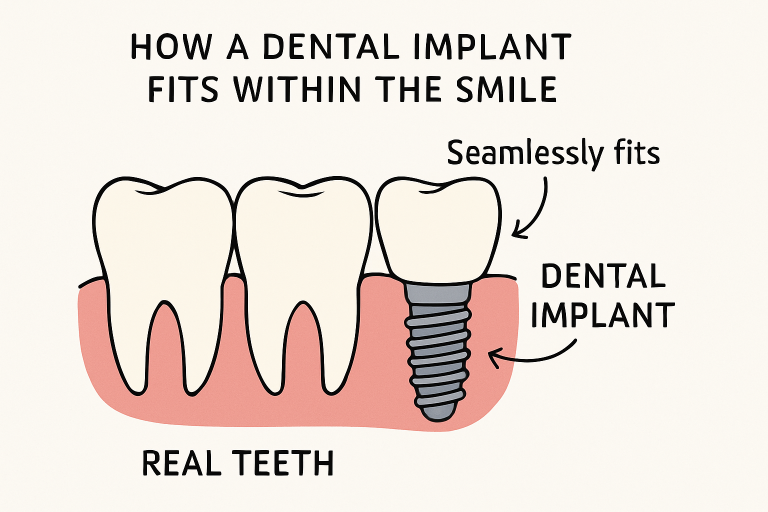
Another common myth is that dental implants will appear fake or obvious. In reality, implant crowns are expertly crafted to mimic your natural teeth in shape, color, and even translucency, blending seamlessly with your smile.
Dental professionals use high-quality porcelain or ceramic materials, sculpted and shaded for a lifelike and indistinguishable appearance.
Even up close, the transition between a dental implant and natural teeth is virtually impossible to spot.
Myth 3: Implants Require Extensive Maintenance
One of the most significant advantages of dental implants is their convenience. Unlike dentures, which must be removed for cleaning and maintained with exceptional solutions, implants are cared for like natural teeth.
Brushing twice daily, flossing, and routine dental check-ups are sufficient for long-term implant health.
There is no need for adhesives, nightly soaking, or other cumbersome maintenance rituals required by other dental prosthetics.
Dental Implants Are Not Durable
Concerns about durability often deter patients from choosing implants. In truth, dental implants are designed to be a permanent solution. The titanium post integrates with your jawbone through a process called osseointegration.
This solid foundation allows the implant to function like a natural tooth root. With proper care, including routine checkups and good oral hygiene, implants can last for decades or even a lifetime.
Myth 5: Implants Are Only for Older Adults
While older adults frequently seek implant solutions, people of any age can lose a tooth due to trauma, decay, or congenital issues.
A dental implant is a viable option as long as jaw development is complete (usually post-adolescence).
Restoring a lost tooth early preserves jawbone health and prevents the shifting of remaining teeth, which benefits younger and middle-aged adults as much as seniors.
Myth 6: The Procedure Is Risky
Dental implant placement is a highly predictable and safe procedure in the hands of a qualified provider. With modern diagnostic technologies and meticulous surgical protocols, the average success rate for single dental implants is above 95%.
Complications, such as infection or nerve damage, are rare and typically minor. Most patients recover swiftly and return to normal activities within days.
WebMD highlights the overwhelmingly positive safety and satisfaction outcomes of dental implant patients.
Myth 7: Implants Are Too Expensive
The misconception that implants are out of reach for most people persists, yet the cost should be weighed against long-term benefits.
While the initial investment is more than partial dentures or bridges, implants are meant to be permanent, often eliminating the costs and hassles of replacement over time.
Many dental practices offer flexible payment options and financing plans, making implants approachable for various budgets.
Over the life of the restoration, implants frequently offer better value than alternatives.
Myth 8: Implants Are Not Covered by Insurance
Historically, insurance providers considered dental implants elective, so coverage was minimal. However, that is changing.
More dental insurance plans now offer at least partial reimbursement for medically necessary implants, especially when tooth loss impacts overall oral health.
In cases where coverage does not apply, various payment and financing plans can still make implants a realistic and manageable expense for many patients.
Conclusion
Misinformation should never stand in the way of your dental health. By dispelling myths and understanding how modern advances make implants an accessible, natural, and lasting tooth replacement solution, you can approach your care with confidence.
Dental implant specialists offer expert, patient-focused care for individuals seeking guidance or consultations to restore trust and restore a healthy smile.