


After going to the gym for a while, I’ve noticed some real progress. But as I started to push my limits striving for better results, I came to the conclusion that supplementation could help improve my performance and recovery. So, I began to dig into the world of fitness supplements to find out what could give me that extra edge.
After some research, I discovered that creatine is considered one of the most effective supplements available for enhancing workout performance, boosting muscle growth and speeding up recovery.
Excited to give it a try, I headed to the store ready to make a purchase, only to find myself overwhelmed by options. It turned out that choosing the right creatine isn’t as simple as grabbing the first tub you see.
It takes an understanding of the different types available, proper dosages and how to identify a quality product.
Today, I’m going to share what I’ve learned about creatine, in case you’re considering supplementing with it too.
Types of Creatine Available
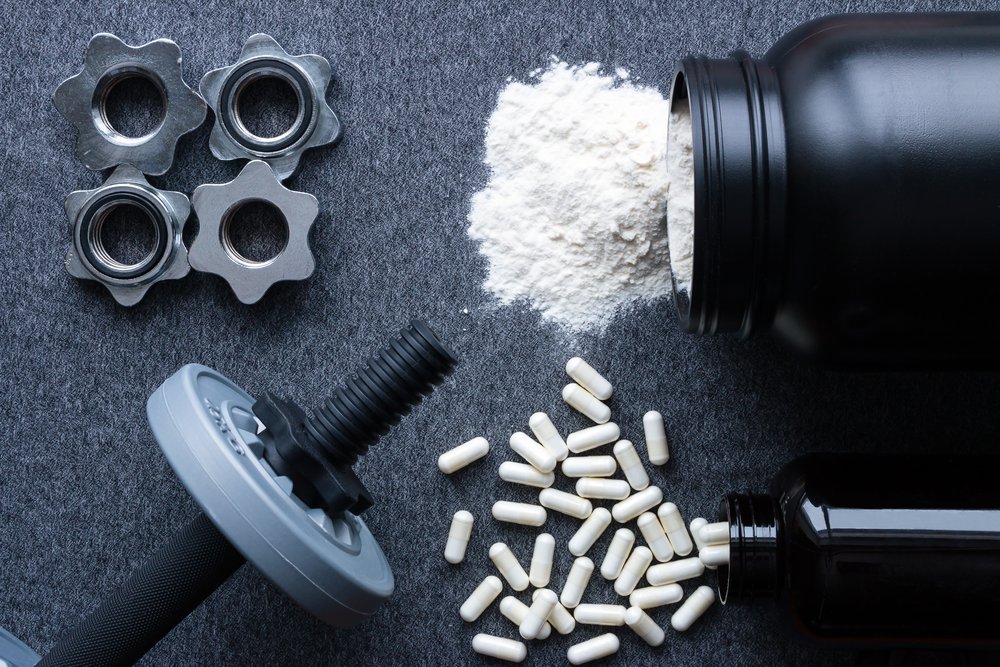
Creatine is mostly consumed in the form of powder. When shopping for creatine powder, you’ll have to option to choose between monohydrate, hydrochloride and ethyl ester.
Monohydrate
This is considered the gold standard of creatine supplements because it’s the most studied and scientifically validated type.
Research has consistently proven that creatine monohydrate effectively increases intra-muscular creatine stores, enhancing ATP production during high-intensity, short-duration activities like weightlifting.
Enhanced ATP production leads to improved performance and faster recovery.
Furthermore, creatine monohydrate is highly bioavailable, meaning the body absorbs and uses it efficiently. It saturates muscle stores more effectively than many other forms of creatine.
Compared to other types, creatine monohydrate is significantly more affordable, making it an accessible choice for a wide range of users.
Buffered Creatine
This is a modified form of the monohydrate type that has been adjusted to a higher pH level. This buffering process aims to lower the stomach’s conversion of creatine to creatinine since it is less acidic, which can increase the muscles’ absorption.
Despite being promoted as a better choice, there is less data to support these claims than monohydrate.
Hydrochloride
This is another form of creatine that has gained popularity in recent years, but it differs from monohydrate in many ways. One of them is its superior solubility.
Creatine hydrochloride is more water-soluble, meaning it dissolves better in liquid, making it easier in the stomach of some individuals and more efficient for absorption.
Due to its improved solubility and bioavailability, this type of powder tends to require a smaller dose than monohydrate. Typically, users might take around 1-2 grams of creatine hydrochloride rate per day, compared to the standard 3-5 grams of creatine monohydrate. This lower dose is often considered more convenient, especially for those who have experienced bloating or stomach discomfort with monohydrate.
However, creatine hydrochloride tends to be more expensive than monohydrate. Despite the potential advantages in solubility and water retention, many users find that the benefits don’t justify the higher price tag for what is still essentially a creatine product.
Creatine Ethyl Ester
CEE is a chemically modified form of creatine monohydrate with an ester group attached. It was developed to improve the limitations of standard creatine monohydrate, such as absorption and potential side effects like water retention. However, when it comes to increasing muscle creatine levels, this form of creatine isn’t as effective as creatine monohydrate. CEE also comes with a higher price tag, making it a less cost-effective option.
Quality
Not all supplements available are high-quality. To select a high-quality creatine powder, you must consider its purity. To make sure you’re obtaining the most efficient type of creatine without needless additions or fillers, you should choose a product that is around 99% pure. In addition to reducing the supplement’s efficacy, impurities can also lead to undesirable side effects.
Additionally, you should select a supplement that has been tested and certified by a third party. This adds another level of quality control, confirming that the product satisfies strict requirements for safety and purity.
Value for Price
The cost per serving is another important factor to take into account when choosing a creatine supplement. The initial pricing of a product may seem low, but a closer examination of the quantity of servings offered might tell a different tale.
A $30 tub, for example, can seem like a good deal until you find it only has 10 servings, whereas another $30 tub might have 30 servings or more, which would greatly increase the value overall.
Although creatine is considered one of the most cost-effective supplements, its price can vary greatly.
This is especially true when creatine is marked as a pre-workout supplement or paired with additional ingredients like collagen or electrolytes. It’s crucial to ensure that the cost accurately represents the benefits and compositions of the product.
NSF Seal
Supplements aren’t evaluated by the FDA, so you’re the one who has to investigate the product. One simple yet efficient way to do that is to check if the supplement comes with the NSF seal, which is a “Certified for Sport” mark.
A product with this seal means it’s manufactured in a facility that undergoes twice-yearly quality and safety audits, has been tested for contaminants and compounds prohibited by major sports organisations, and contains what the label claims it does.
Quick Words on When to Take Creatine and Side Effects
The best time to take this supplement is after your workout when your muscles are ready to absorb nutrients and heal. But you can also take it before a workout, for improved energy and resistance.
As long as you use your powder consistently, you can take it any time of the day.
As for side effects, some individuals tend to experience moderate bloating, especially while using the monohydrate type. Water retention in the muscles, a normal side effect of the supplement’s action, is frequently the cause of this.
When taken as recommended, this supplement is safe for long-term use. There’s plenty of research which shows it doesn’t pose any significant health risks when used by healthy individuals.