

The cost of fitness equipment has steadily risen over the years, making it harder for individuals and businesses to invest in high-quality gym gear. Whether you’re setting up a home gym or outfitting a commercial space, purchasing brand-new fitness equipment can be a significant financial burden.
Buying used gym equipment offers a practical and cost-effective alternative. It allows fitness enthusiasts and business owners to access high-quality machines at a fraction of the cost.
This guide explores why used gym equipment is a smart investment, how much you can save, the best types of equipment to buy secondhand, and where to find the best deals.
Why Is Used Gym Equipment a Smart Investment?
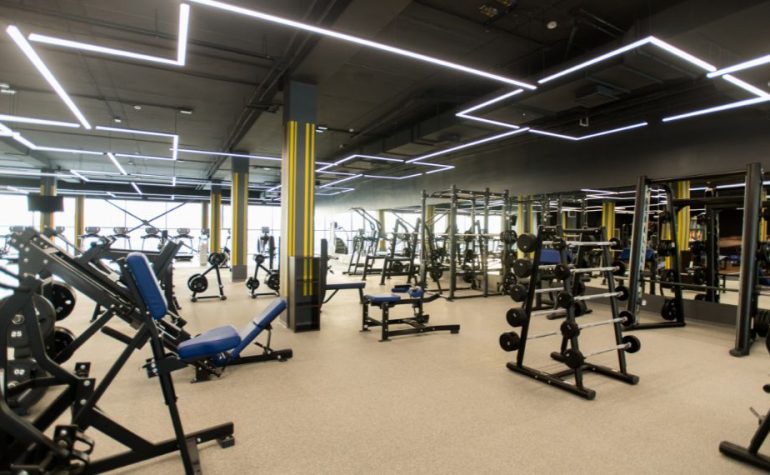
Purchasing used gym equipment for sale comes with several advantages beyond just saving money. From accessibility to sustainability, investing in secondhand fitness gear is a decision that benefits both your wallet and the environment.
Cost Savings and Accessibility
One of the biggest reasons to buy used gym equipment is the cost savings. Depending on the condition and brand, used machines can be 30-70% cheaper than new ones. This makes it easier for fitness enthusiasts to build a well-equipped home gym or for commercial gym owners to maximize their investment without overspending.
Sustainability and Environmental Impact
The fitness industry generates a significant amount of waste from discarded equipment. By choosing used gym equipment, you contribute to reducing waste and promoting sustainability. Extending the lifespan of gym machines through resale and refurbishment helps minimize the environmental footprint of the fitness industry.
Meeting Professional Standards
Contrary to common belief, used gym equipment can still meet professional fitness standards. Many commercial-grade machines are built to last and maintain their functionality for years. With proper maintenance and inspection, used equipment can offer the same performance as new models.
What Are the Best Types of Gym Equipment to Buy Used?
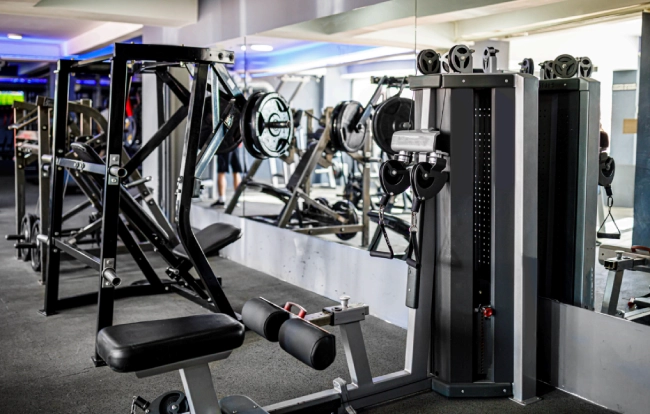
Not all gym equipment retains its value and functionality equally when bought secondhand. Here are the best types of fitness equipment to consider purchasing used:
Strength Training Equipment
- Free Weights: Dumbbells, barbells, and kettlebells last a lifetime with proper care.
- Weight Machines: Cable machines and selectorized weight machines are durable and reliable.
- Power Racks and Smith Machines: Built with heavy-duty steel, these retain their function over decades.
Cardio Machines
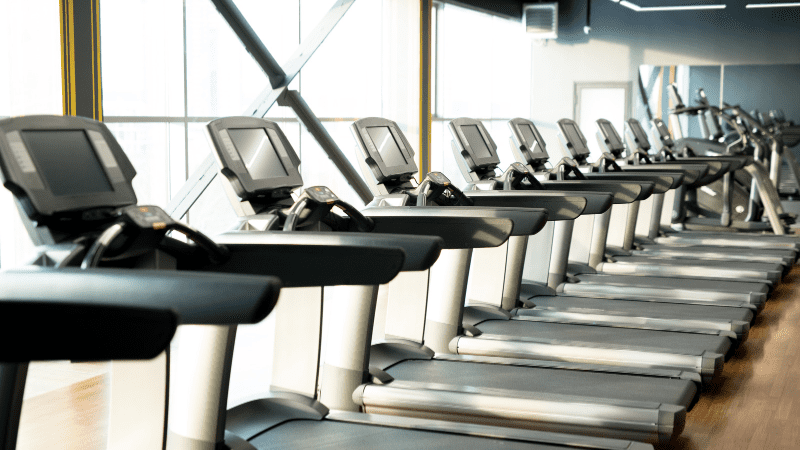
- Treadmills: High-end commercial treadmills are built to withstand heavy use and can last for years.
- Stationary Bikes: Well-maintained spin and recumbent bikes often perform as well as new ones.
- Rowing Machines: Models with a durable frame and high-quality resistance systems are worth considering.
- Ellipticals: As long as the electronics and mechanical components function well, ellipticals are a good buy.
Functional Training Equipment
- Resistance Bands and Suspension Trainers: These have long lifespans if properly maintained.
- Medicine Balls and Sandbags: Wear-resistant models last for years.
- Battle Ropes and Plyometric Boxes: These training tools remain effective for functional workouts over time.
Where Can You Buy Quality Used Gym Equipment?
Finding high-quality secondhand fitness equipment requires knowing where to look. Below are some of the best places to shop for used gym machines:
Direct from Commercial Gyms
- Pros: High-quality, commercial-grade equipment that has been well-maintained.
- Cons: Bulk purchases may be required, limiting options for individual buyers.
Specialty Fitness Equipment Stores
- Pros: Refurbished and inspected machines ensure quality.
- Cons: Prices may be higher compared to private sellers.
Online Marketplaces (eBay, Facebook Marketplace, Craigslist)
- Pros: Lower prices and the possibility of local deals.
- Cons: No warranties; buyers must inspect equipment before purchase.
Auctions and Liquidation Sales
- Pros: Access to high-end commercial gym equipment at significantly discounted rates.
- Cons: Limited or no return policies.
How to Inspect and Evaluate Used Gym Equipment Before Buying?
Before making a purchase, it’s essential to inspect gym equipment thoroughly to avoid costly repairs or replacements.
Key Inspection Points
- Check for wear and tear: Look for rust, cracks, or frayed cables.
- Test electronic components: Ensure touchscreens, motors, and software function properly.
- Confirm stability and structural integrity: Machines should not wobble or feel unsteady.
Key Factors to Look for in Strength Equipment
- Frame condition: No rust, cracks, or signs of excessive wear.
- Weight stack smoothness: Should move effortlessly without sticking.
- Cable wear and tear: Frayed cables indicate potential failure.
Key Factors to Look for in Cardio Equipment
- Motor and belt condition (for treadmills): Should operate smoothly and quietly.
- Battery and screen functionality: Digital displays should be clear and responsive.
- Resistance levels and noise issues: Machines should operate without excessive noise.
What Are the Risks of Buying Used Gym Equipment?
While used gym equipment can be a great investment, there are potential risks to be aware of:
- Wear and tear: Some machines may have significant usage, leading to mechanical failures.
- No warranty or return policies: Many used purchases are final sale, meaning no refunds or exchanges.
- Hidden costs: Repairs, delivery fees, and replacement parts can add up.
Conclusion
Used gym equipment is a smart and budget-friendly option for both home and commercial gyms. By making informed decisions, inspecting machines thoroughly, and purchasing from reputable sources, buyers can enjoy substantial cost savings without compromising on quality.
Whether you are a fitness enthusiast or a gym owner, investing in secondhand fitness equipment is a practical way to maximize your fitness budget while maintaining high-performance standards.