


Methamphetamine addiction is a serious problem affecting millions worldwide. It impacts not only the users but also families and communities. Many struggle with staying clean because meth creates both physical and mental dependencies.
Overcoming this addiction can be tough, and often, medication plays a key role. While counseling helps, medications can support recovery and reduce cravings.
Today, we’ll explore what drugs are being used or studied to treat meth addiction and how they work.
Understanding Methamphetamine Addiction and the Need for Medication

The Biology of Meth Addiction
Meth changes the brain quickly. It floods the brain’s dopamine system, making users feel intense pleasure. This rush can lead to physical and psychological dependence. Over time, the brain starts relying on meth to feel good.
People develop signs like agitation, paranoia, and severe cravings. Physical symptoms might include weight loss, dental damage, and skin sores.
Recognizing these signs helps in early intervention and treatment planning. Meth smell like burnt plastic, cleaning products and chemicals.
The Limitations of Behavioral Therapy Alone
Counseling and behavioral therapies are essential for recovery. They teach coping skills and help change habits. But sometimes, these methods aren’t enough. Some individuals need medication to help manage cravings or withdrawal symptoms.
Combining therapies often shows better chances of long-term success. Relying solely on talking cures can leave some people vulnerable to relapse.
FDA-Approved Medications for Meth Addiction
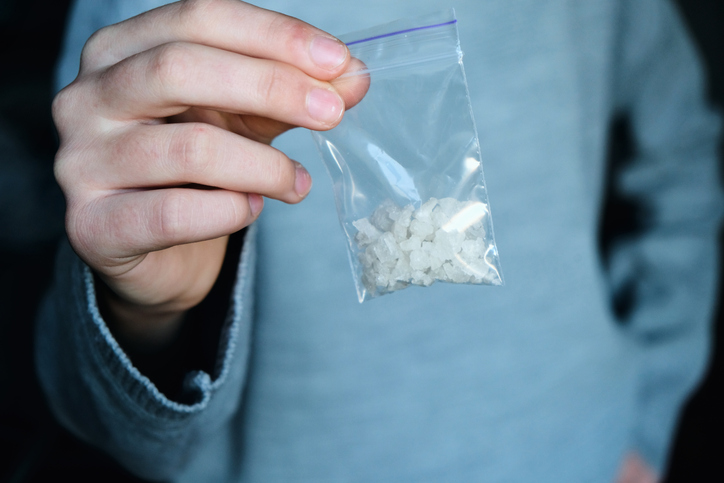
No Medications Fully Approved Yet
As of October 2023, no medications have received full approval from the FDA specifically for meth addiction.
This means scientists and doctors are still researching and testing drugs. No pill is currently licensed to treat meth dependency directly.
Off-Label and Emerging Pharmacological Options
Some drugs are used off-label or are under study. Off-label means the medication is used for purposes other than what it was officially approved for.
Several medications show promise but haven’t yet become standard treatment options.
Clinical trials continue to explore how these can help reduce cravings and support abstinence.
Medications Under Investigation and Experimental Approaches
Bupropion
Bupropion is originally used for depression and quitting smoking. It works by increasing dopamine and norepinephrine levels. Some studies suggest it may help reduce meth cravings.
However, results are mixed, and it’s not yet a standard treatment. It might help some users, but more research is needed.
Naltrexone
Naltrexone blocks opioid receptors in the brain. It helps cut cravings for alcohol and opioids. Researchers believe it might also reduce meth’s rewarding effects.
Some studies show promising results, especially for people with co-occurring opioid or alcohol problems. It could be part of a broader treatment plan.
Other Pharmacotherapies in Development
Scientists are testing several other drugs, like topiramate and modafinil. These medications target different brain chemicals involved in addiction.
Early results show they may help lessen cravings or improve recovery chances. But they’re still in research phases, and more evidence is needed.
Supportive and Adjunct Pharmacological Treatments

Medications for Symptom Management
Withdrawal from meth can cause agitation, depression, and fatigue. Short-term use of medications like sedatives or antidepressants can ease these symptoms.
Managing co-occurring mental health issues, such as anxiety or depression, improves chances for lasting recovery.
Addressing Co-occurring Conditions with Pharmacotherapy
Many individuals battling meth addiction also face other health problems. Using appropriate medicines like anti-anxiety or antipsychotic drugs helps stabilize their mental state. These are tailored to each person’s needs, emphasizing personalized treatment plans.
Combining Medication with Behavioral and Supportive Therapies
Integrated Treatment Models
Research shows combining medication with therapy yields better results. Treatments like cognitive-behavioral therapy (CBT), contingency management, and motivational interviewing work well with medicines. This mix addresses both brain chemistry and behavior, making relapse less likely.
Actionable Tips for Patients and Caregivers
If you or a loved one seek help, always go to qualified providers. They can assess needs and suggest the best combination of medications and therapies.
Monitoring effects and side effects keeps treatment safe. Building a complete recovery plan involves ongoing support, counseling, and medication when needed.
Conclusion
Medications for meth addiction are still under study, with no fully approved options yet.
Researchers are making progress with drugs like bupropion and naltrexone, which show promise in reducing cravings and aiding recovery.
The most effective approach involves a combination of medications, therapy, and support.
Hope is on the horizon, and ongoing research aims to offer better, safer treatments for everyone fighting meth addiction.
The future of medication-assisted treatment holds promise for stronger recovery outcomes and healthier lives.


