


Many Wellington homeowners are concerned about rising power bills, chilly bedrooms, or damp corners before they identify the real cause: inadequate insulation. Heat can escape through ceilings, walls, floors, gaps, and compressed materials without drawing attention.
Over time, that loss increases heating costs and affects comfort, moisture control, and property maintenance. Six common insulation problems show why some homes remain expensive to heat, despite closed curtains, upgraded heaters, and careful temperature management.
A proper assessment should focus on the building rather than a standard product choice. An experienced installer can inspect ceiling coverage, underfloor gaps, wall cavities, moisture damage, and areas where older insulation has settled.
Homeowners comparing solutions can use house insulation installation in Wellington to assess suitable materials, coverage requirements, and installation methods. The recommendations should reflect the home’s age, access limitations, ventilation, and budget, instead of applying one solution across every property.
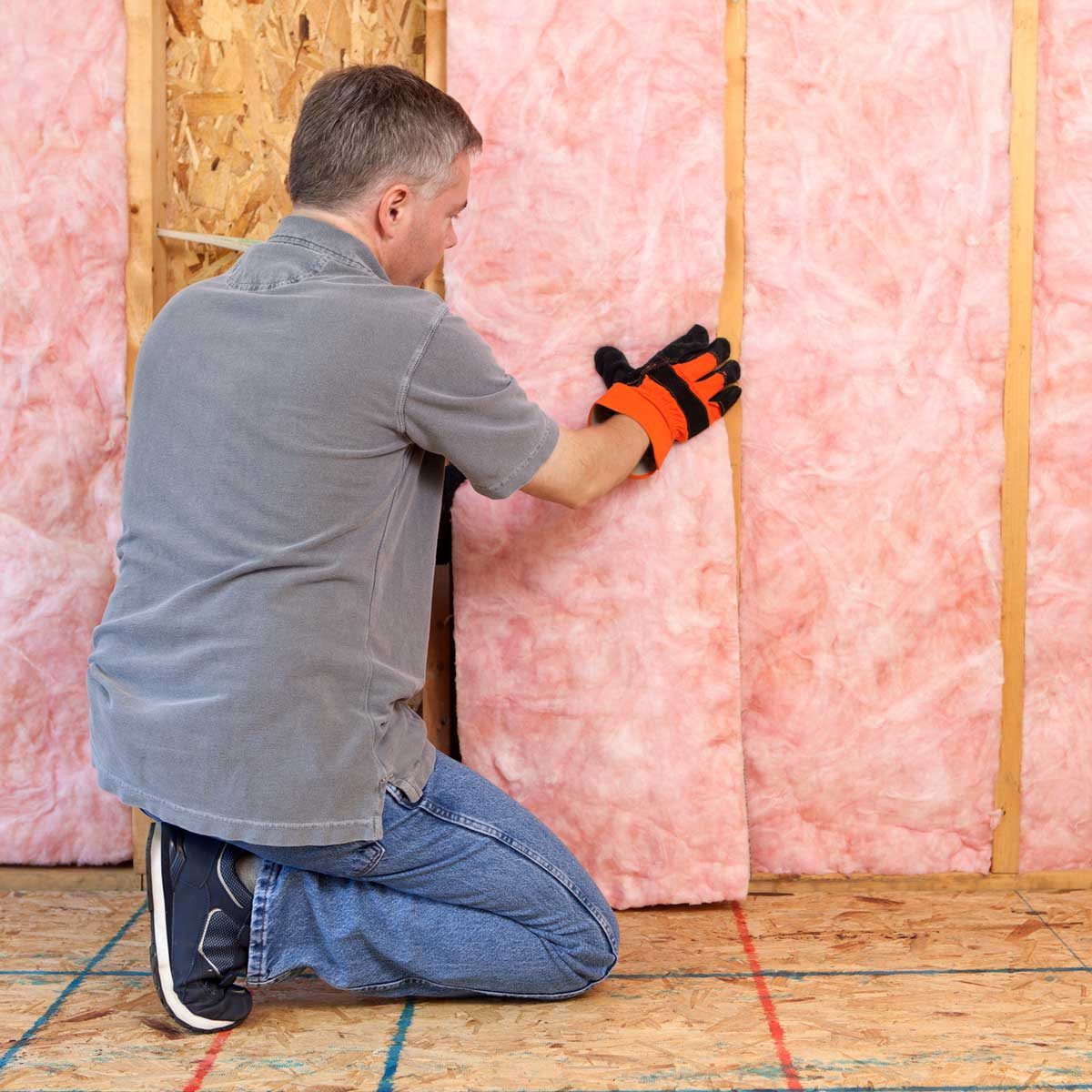
1. Ceiling Heat Loss Raises Winter Bills
Warm air naturally rises, which makes the ceiling one of the most important parts of a home’s thermal barrier. If insulation is missing, thin, or uneven, heated air escapes into the roof space.
That loss makes heaters run longer and consume more electricity. This impact becomes clearer during Wellington’s cold, windy winters. Even limited gaps in ceiling coverage can increase energy use across many days.
Homeowners should look for visible gaps, compressed batts, damp patches, and insulation that has shifted away from roof edges. These problems often signal reduced performance.
2. Cold Floors Make Rooms Harder to Heat
Underfloor insulation plays an important role in maintaining comfort. Homes with exposed timber floors can lose considerable warmth, particularly when wind moves through the space beneath the building.
Cold flooring can make a room feel uncomfortable, even when the thermostat shows a reasonable temperature. Occupants may respond by raising the heat, using portable heaters, or warming rooms for longer periods.
A correctly installed underfloor system can reduce draughts and support a steadier indoor temperature. Living areas may feel warmer without requiring additional electricity.
3. Small Gaps Create Expensive Draughts
Insulation performs best when it forms a continuous barrier. Openings around pipes, wiring, windows, access hatches, and wall edges allow cold air inside while warm air escapes.
These gaps are not always easy to spot during daylight hours. They may become more noticeable near skirting boards, ceiling corners, floor joints, and older wall linings.
Even a well-insulated room can remain cold if air leakage continues. Sealing suitable gaps during insulation work helps heating systems maintain comfort more efficiently.
4. Moisture Can Reduce Insulation Performance
Wellington’s damp conditions place additional strain on building materials. Water entering a roof space, wall cavity, or underfloor area can reduce the effectiveness of certain insulation products.
Wet materials can also contribute to musty odours, mould, damaged timber, and recurring maintenance bills. Covering the visible problem without addressing its source can leave the home uncomfortable and lead to further repairs.
Moisture sources should be checked before the installation even begins. Roof leaks, plumbing faults, drainage problems, and poor ventilation may require attention before new insulation is added.
5. Uneven Coverage Leaves Cold Zones
Insulation cannot provide consistent protection when some sections are thick and others are absent. Cold areas may develop above hallways, around recessed lights, besides chimneys, or near service openings.
These weak points allow heat to pass through the building envelope. They can also cause rooms to warm unevenly, leaving one area overheated while another remains cold.
A complete inspection should cover all accessible ceiling, wall, and floor areas. Correct placement is just as important as selecting the right insulation material.
6. Poor Insulation Can Increase Long-Term Repair Costs
Higher power bills are the most obvious expense, but poor thermal control can increase other household costs. Ongoing condensation may damage paint, plasterboard, window reveals, flooring, and timber surfaces.
Cold, damp rooms may also need more regular cleaning and repair work. Over time, these expenses can exceed the cost of resolving insulation problems correctly.
Better coverage helps protect interior finishes by supporting stable temperatures and lowering condensation risk. It also improves comfort across the home throughout the year.
Conclusion
Poor insulation can steadily drain household budgets through increased heating use, cold floors, draughts, moisture damage, and uneven temperatures. Wellington homeowners can limit these costs by checking ceiling, wall, and underfloor coverage before winter demand rises.
A professional energy assessment can reveal missing sections, settled material, air gaps, and moisture concerns. Addressing these issues together improves thermal control, protects the property, and helps the home stay warmer without adding unnecessary pressure to energy bills.