


Key Takeaways
- Assess your roofing needs based on climate, budget, and aesthetics.
- Explore different roofing materials: asphalt shingles, metal, wood, clay, and slate.
- Consider the environmental impact of your choice.
- A professional consultation can help guide your decision.
Understanding Your Roofing Needs
Choosing the right roofing material is a decision that hinges on multiple factors pertaining to your home’s specific requirements. It’s crucial to consider the climate you live in—a region with heavy rainfall or snow, for instance, demands a different approach compared to an area with abundant sunshine.
Your budget, too, plays a pivotal role; while it’s tempting to opt for the most affordable solution, thinking long-term and investing in quality can prevent costly repairs down the road. Since the aesthetic appeal of your roof contributes significantly to your home’s overall appearance, selecting a material that complements your home’s architectural style is important.
For detailed guidance, consulting a residential roofing contractor can provide personalized advice, ensuring your choice aligns with local building regulations and your personal preferences.
When selecting a material, think about the functional and stylistic aspects that will best suit your home.
A well-chosen roof can significantly boost your home’s value and curb appeal. Your roof is beyond protection from the elements; it’s a major contributor to your home’s insulation and energy efficiency. Every material offers unique properties that can affect your home’s energy consumption.
Therefore, understanding your roof’s role in insulating your home can help you select the best material for energy efficiency, ultimately saving money on utility bills and increasing comfort.
Types of Roofing Materials
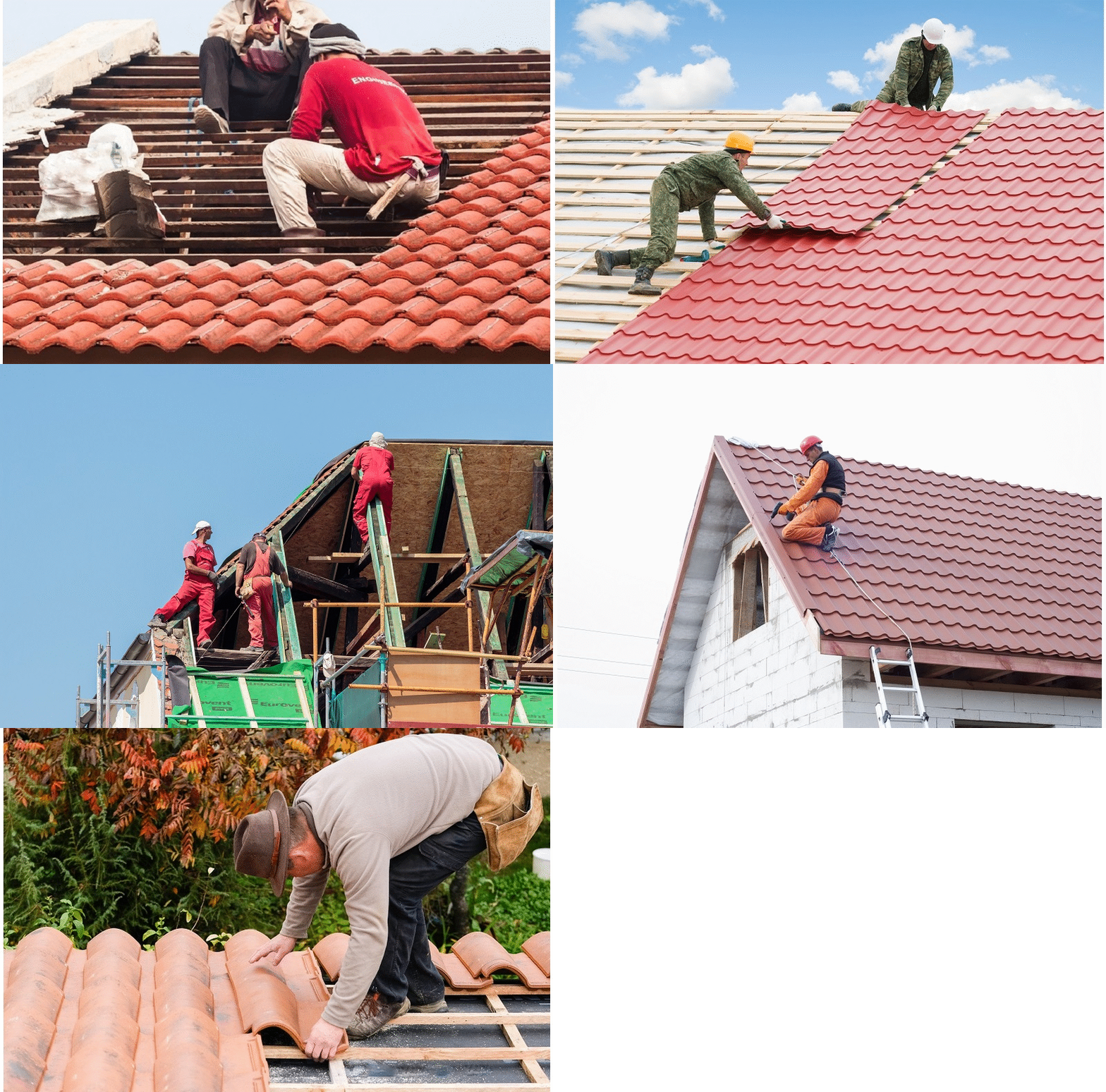
Asphalt Shingles
Asphalt shingles are a staple in the roofing industry, primarily due to their cost-effectiveness and ease of installation.
They come in various colors and styles, which provides homeowners with a versatile array of options to match their home’s exterior. Asphalt shingles are appropriate for most climates and offer a standard level of fire resistance.
However, their lifespan usually ranges from 20 to 30 years, which might not be as long as some alternatives.
This traditional roofing material remains a favorite for those looking to keep initial costs low while maintaining a classic look.
Metal Roofing
Metal roofing stands out in terms of durability and design flexibility. It is renowned for its ability to withstand severe weather conditions, including heavy snowfall, rain, and high winds, making it an ideal choice for homes in such climates.
Its reflective properties also contribute to improved energy efficiency, particularly in hot regions where cooling costs can be a concern. Metal roofs are lightweight and can also be installed over existing roofs, eliminating the need for removal.
Although the upfront cost is higher than that of other materials, the longevity of over 50 years and minimal maintenance requirements can offer significant long-term savings.
Wood Shakes and Shingles
Wood roofing options like shakes and shingles provide a natural, rustic charm that many homeowners find appealing. The material offers excellent insulation properties, helping maintain indoor comfort across various seasons.
Nevertheless, wood requires substantial maintenance to guard against mold, rot, and insect infestation. Regular treatment can prolong its life but might add to maintenance costs over time.
Homeowners valuing aesthetics and sustainability might prefer certified, sustainably harvested wood materials.
Their distinct appearance and environmental advantages make them a compelling choice despite the trade-offs.
Clay and Concrete Tiles
These tiles offer unparalleled durability and a distinctive aesthetic. Clay and concrete tiles are particularly popular in warmer climates, with a long history in Mediterranean and southwestern architecture, due to their ability to withstand extreme heat without compromising on strength or longevity.
While heavy, they provide outstanding thermal protection and last much longer than other materials, often over 100 years, with proper maintenance. They impart a unique character to homes but require a strong underlying structure to support their weight.
Their resistance to fire, insects, and rot adds to their appeal, making them a wise long-term investment for those who appreciate their charm.
Slate
Slate is renowned for combining beauty with exceptional durability. This stone material offers unmatched longevity, with lifespans that exceed a hundred years when properly installed and maintained.
Its elegant appearance is often a hallmark of high-end properties, adding significant value and curb appeal.
However, its heavy weight and expense make it a less common choice. Installation demands skilled professionals to ensure the roof’s structure can support the weight.
While the instant aesthetic appeal more than justifies the cost for many, it’s imperative to consider these practical details before deciding.
Budgeting for Your New Roof
The financial implications of a roofing project stretch beyond initial installation costs. Budgeting must consider the comprehensive scope of expenses over the roof’s life, factoring in any requisite maintenance, repairs, or replacements.
Opting for a material with a lower initial cost, such as asphalt shingles, may seem appealing initially, but durability limitations might lead to higher expenses over time from necessary repairs.
On the flip side, durable materials like metal, clay, concrete, and slate, although commanding a higher upfront investment, offer longevity and relatively low maintenance, potentially yielding greater cost-effectiveness over time.
Balancing the immediate budget with the long-term value is key to making an informed decision that satisfies both financial and aesthetic goals.
The Role of Local Climate
Your region’s climate is a pivotal factor in the decision-making process for roofing.
Choosing a material that withstands local weather extremes can enhance the longevity and performance of your roof.
For regions prone to heavy snowfall, metal roofs are particularly advantageous due to their smooth surface, which facilitates effective snow shedding.
Conversely, clay and concrete tiles excel in hot climates, preventing excessive heat absorption and providing natural cooling benefits thanks to their thermal mass.
Recognizing how various materials respond to environmental challenges allows homeowners to optimize their roof’s performance, ensuring it remains an attractive and functional component of the home.
Aesthetic Considerations
Choosing a roofing material that enhances your home’s design rather than detracts from it should be a primary consideration.
The color, texture, and material profile should harmonize with your house’s architectural features and surrounding landscape.
Traditional homes might benefit from the timeless elegance of slate or the rustic charm of wood shakes. In contrast, modern or contemporary styles may be complemented by the sleek, clean lines of metal roofing.
Aligning your roof’s aesthetics with your home’s design not only elevates your property’s visual appeal but also contributes to its overall market value, making a thoughtfully designed roof a strategic component of your home’s investment.