


Heating and cooling costs often climb when fresh air arrives through cracks, open windows, or single-room extract fans. Paid warmth escapes in winter, while conditioned indoor air slips away during humid weather.
A better ventilation plan supports a steady oxygen supply, moisture removal, and temperature stability.
With controlled airflow and heat transfer, households can reduce energy demand while keeping breathing spaces fresher, drier, and more comfortable throughout the seasons.
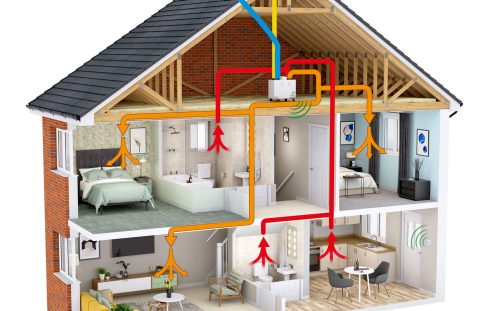
What the System Does
Balanced ventilation removes stale indoor air while drawing filtered outdoor air into living areas. During that exchange, a heat-recovery ventilator transfers usable heat between separated air streams before the exhaust leaves the home.
This process reduces heat loss, softens incoming cold air, and helps maintain cleaner rooms without constant window opening or uneven drafts.
Why Winter Bills Drop
Cold weather makes uncontrolled ventilation expensive. Warm indoor air carries heat, humidity, and comfort out through gaps or basic fans. Heat recovery transfers much of that warmth to incoming supply air.
The heating unit then has less work to do. Rooms hold steadier temperatures, occupants feel fewer chills, and energy use can fall without sacrificing necessary fresh air.
Summer Savings Count Too
The same principle can assist during warm months.
If indoor air is cooler than the outdoor supply air, the exchanger helps temper the incoming airflow. Air conditioners face a smaller temperature gap, so compressors may cycle less often. Results depend on climate, shading, insulation, and daily habits.
Even so, controlled ventilation can help maintain comfort when homes are kept closed against heat or humidity.
Fresh Air Without Heat Loss
Many houses breathe through accidental leakage. That means airflow changes with wind, pressure, and building gaps, rather than health needs. A recovery unit supplies fresh air to bedrooms and living spaces, while extracting moisture from bathrooms, kitchens, and laundry zones. Steady movement helps limit condensation, odours, and stuffiness. Comfort improves because air changes happen predictably, not through sharp drafts.
Numbers Worth Tracking
Savings are easier to judge when key figures are checked. Heat exchange efficiency may reach 70 percent to 90 percent in well-made residential units. Fan power also matters because motors run for many hours.
Correct airflow rates prevent wasted electricity. Filter condition, duct resistance, and commissioning influence noise, comfort, and measured performance once the equipment is installed.
Sizing Affects Results
Correct sizing protects both comfort and budget. A unit that is too large can cost more, draw excess fan power, and create noise. One that is too small may leave moisture, odours, or carbon dioxide lingering indoors.
A good specification considers floor area, occupancy, wet rooms, and duct paths. Balanced airflow keeps the exchanger working as planned.
Filters Protect Performance
Filters help protect lungs and equipment. They trap dust, pollen, and fine particles before supply air reaches occupied rooms.
Blocked filters restrict flow, forcing fans to work harder and reducing heat transfer. Regular checks keep pressure low and performance stable. Many homes inspect filters every 3 months and replace them based on pet hair, dust, traffic exposure, and guidance.
Moisture Control Saves Money
Moisture affects comfort as much as temperature. Damp air can make rooms feel colder because evaporation draws heat from skin. Excess humidity also supports mould growth, which can irritate airways.
Extracting wet air from showers, cooking, and drying clothes lowers the indoor moisture load. Recovery reduces the energy penalty, so drier rooms often feel comfortable at lower thermostat settings.
Installation Quality Matters
Even good equipment performs poorly with weak installation. Leaky ducts, long runs, tight bends, or misplaced grilles can reduce airflow and increase noise. Supply and extract points need careful placement across the home.
Insulated ducting is important in cold roof spaces. Condensate drainage must be reliable. Proper setup protects heat transfer and makes savings easier to verify.
Best Homes for Recovery
Heat recovery works best where the building shell is reasonably airtight. Large gaps allow uncontrolled leakage to bypass the unit, reducing the benefit.
Insulation also matters because ventilation cannot correct heat loss through ceilings, walls, or glazing. Strong results usually come from a combined approach: sealing obvious leaks, improving thermal barriers, choosing efficient heating, and deliberately managing fresh air.
Year-Round Comfort Gains
Energy savings matter, yet health and comfort often decide satisfaction. Balanced ventilation can reduce stale air in bedrooms, cooking odours, and condensation on windows. Fresh air enters at a moderated temperature, so rooms feel calmer.
Better moisture control may also help people who react to mould or dust mites. These everyday improvements are valuable when homes stay closed for warmth, heat, or allergy control.
Conclusion
A heat recovery system cuts waste by reusing heat that would otherwise be lost with stale air. It can also ease cooling demand, reduce moisture, and improve indoor air quality when properly chosen and installed.
Actual savings depend on climate, airtightness, insulation, maintenance, and household routines. For homes that need fresh air without constant heat loss, balanced ventilation offers a practical way to lower bills and improve indoor air quality.