


Key Takeaways:
- Child-Centered Planning: Focus on your child’s emotional, physical, and developmental needs when creating a parenting plan.
- Legal Compliance: Ensure the plan meets New Hampshire requirements for decision-making, residence, schedules, and dispute resolution.
- Collaborative Approach: Open communication and negotiation between parents help minimize conflict and foster co-parenting cooperation.
- Flexibility & Updates: Parenting plans can be modified as circumstances or the child’s needs change.
Understanding the Importance of a Parenting Plan
Creating a solid parenting plan is vital for families navigating separation or divorce in New Hampshire. This legally required document outlines parenting responsibilities, schedules, and decision-making processes to ensure consistency, security, and clarity for both children and parents.
For anyone beginning this journey, working with a knowledgeable law firm like Turco Legal, P.C. can help you understand your rights and responsibilities from the outset.
A well-crafted parenting plan becomes a crucial component of any court order related to child custody. The court uses it to safeguard the child’s best interests, guiding parents in both day-to-day decisions and long-term goals.
Having clear expectations and structures not only alleviates potential disputes but also allows children to feel supported as their family circumstances change.
Both parties are encouraged to communicate openly to build a plan centered on the child’s emotional, physical, and developmental needs. This process fosters co-parenting cooperation, lowering the risks of conflict and offering a stepping stone to a stable, nurturing post-divorce environment.
Key Components of a Parenting Plan
The New Hampshire Revised Statutes, Section 461-A:4, lays out specific areas that every parenting plan must address. Crafting a comprehensive document involves covering the following elements:
- Decision-Making Responsibility: Clearly states who determines major aspects of your child’s life, including education, healthcare, and religious guidance. Parents may choose joint decision-making or divide responsibilities according to each parent’s strengths.
- Residential Responsibility: Specifies where the child will reside and provides a predictable schedule for time spent with each parent. This usually covers both regular parenting time and adjustments for holidays or vacations.
- Information Sharing and Access: Sets expectations for the exchange of important information about the child between parents and for how parents communicate about their child’s needs.
- Parenting Schedule: Details predictable routines, including weekly arrangements, special occasions, and school breaks.
- Transportation and Exchange: Establishes logistics for moving the child between households, including exchange times and safe locations for transitions.
- Dispute Resolution: Describes how future disagreements about the parenting plan will be addressed—often recommending mediation or another alternative dispute resolution process before turning to the courts.
Taking the time to discuss these key points ensures the plan works for both parents and, most importantly, for the child.
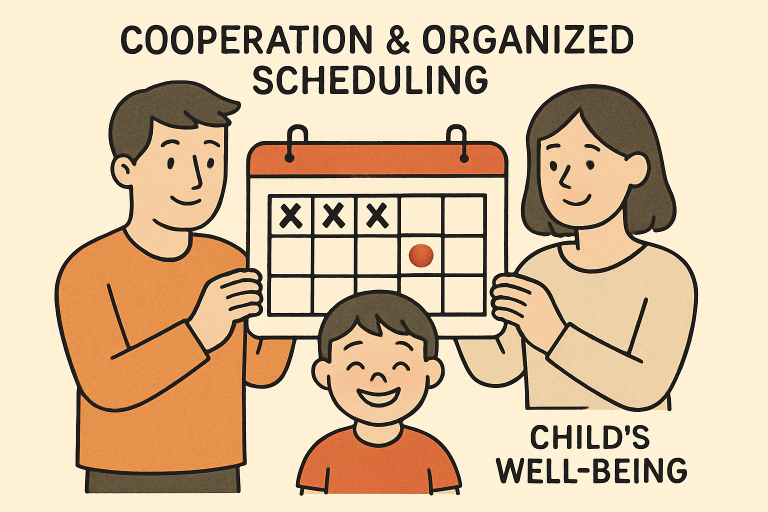
Steps to Create a Parenting Plan
Developing an effective parenting plan is a collaborative process. Here are the principal steps New Hampshire families should follow:
- Assess Your Child’s Needs: Every child is unique. Consider factors like age, temperament, school schedule, medical requirements, and extracurricular activities.
- Open Communication: Use constructive dialogue with the other parent to clarify expectations and seek common ground on both major and minor issues.
- Draft the Plan: Write down your agreed terms, specifying each detail, from school pickups to medical care, to prevent misunderstandings later.
- Seek Legal Advice: Parents benefit from the expertise of a family law attorney, who can ensure the plan complies with the law and is framed in language recognized by New Hampshire courts.
- Please submit to the Court: Once finalized, file the parenting plan with the local family division court for official approval, solidifying it as a legally binding order.
Open and respectful negotiation throughout these steps is often key to achieving a durable agreement.
Legal Requirements and Considerations
The New Hampshire courts prioritize a child’s best interests when evaluating any proposed parenting plan.
Critical considerations include each child’s relationship with both parents, each parent’s willingness to foster a positive relationship with the other parent, the child’s communication abilities, and any concerns about potential abuse or neglect.
Plans that support safety, stability, and healthy development stand the best chance for approval.
Modifying an Existing Parenting Plan
As children grow and situations change, existing parenting plans might require updates. New Hampshire allows parents to request modifications when there is a substantial change in circumstances, such as a relocation, a significant schedule shift, or a change in a parent’s capacity to care for the child.
Modification requests must be submitted as a motion with supporting evidence. Often, a court hearing will be scheduled to review the proposed changes and ensure the new arrangement is appropriate for the child’s evolving needs.
Enforcing a Parenting Plan
Parental cooperation isn’t always guaranteed, making enforcement mechanisms crucial. Beginning January 1, 2025, New Hampshire parents can utilize the expedited Family Access Motion.
This streamlined process enables prompt court intervention if one party deviates from the plan’s terms, minimizing drawn-out disputes and restoring structure quickly.
The policy aims to reduce emotional distress for children and provide efficient remedies for parents facing non-compliance issues.
Final Thoughts
Taking the time to develop a thorough, child-centered parenting plan is a cornerstone of effective co-parenting after divorce or separation.
By focusing on your child’s best interests—while complying with New Hampshire laws using reputable resources and legal guidance—parents can establish stable routines, minimize conflict, and nurture their child’s growth in an environment of mutual respect and cooperation.