


A manta ray night dive in Kona offers a remarkable opportunity to watch giant manta rays glide through the ocean as they feed on plankton attracted by underwater lights. The experience can be unforgettable for certified scuba divers who enjoy marine life and nighttime adventures. However, it also requires comfort in the water, careful attention to dive instructions, and an understanding of the conditions involved.
Kona lies along the western coast of Hawaii’s Big Island, where the Pacific Ocean supports a rich variety of marine life. The area is known for its underwater lava formations, clear waters, and popular nighttime manta encounters. Divers and snorkelers visit the region to observe manta rays in their natural environment.
Choosing a manta ray night dive in Kona can provide a unique perspective on marine wildlife that is difficult to experience during an ordinary daytime dive.
Pros
Observe Manta Rays Up Close
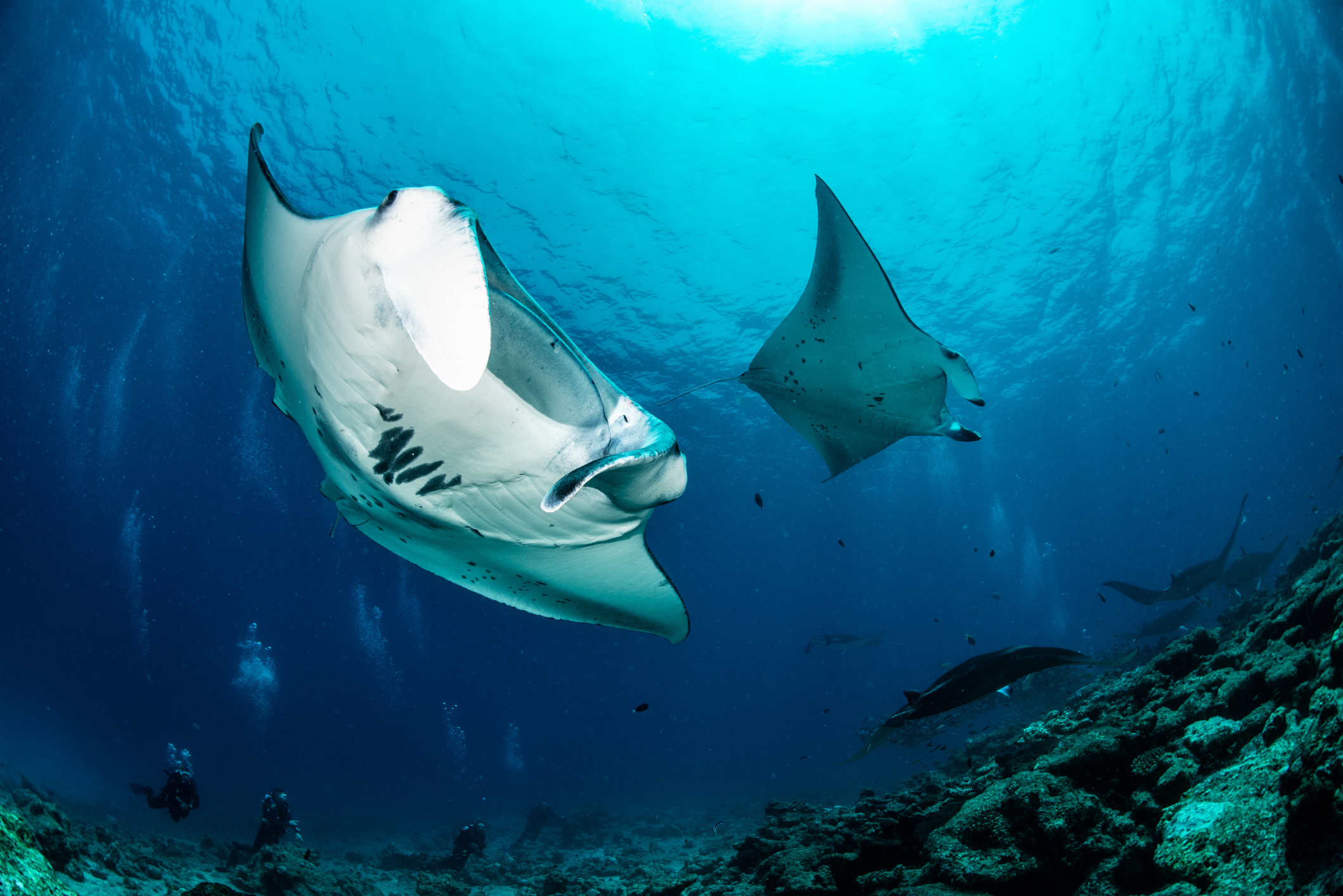
The biggest attraction is the opportunity to see manta rays feeding in the water after dark. Dive operators typically use lights that attract plankton, creating feeding opportunities that may bring manta rays into view.
These rays are known for their impressive wingspans and graceful movements. Watching them glide, turn, and circle through the water can be an extraordinary experience. Depending on the conditions and the animals’ behavior, divers may see multiple rays during one outing.
However, manta sightings are never guaranteed. These are wild animals, and their presence depends on natural conditions rather than a fixed schedule.
Experience a Different Side of Kona’s Ocean
Night diving provides a different perspective from daytime scuba diving. Darkness limits the surrounding view, while dive lights highlight specific areas of the underwater environment.
The experience can help divers appreciate the ocean’s nighttime activity and the importance of protecting marine habitats. It also creates a memorable opportunity for underwater photography, provided divers have suitable equipment and can use it without distracting themselves from safety.
For travelers who have already explored Kona’s reefs during the day, a nighttime manta encounter can add variety to their diving itinerary.
Enjoy a Guided Marine Adventure
Most manta dive experiences are organized by professional operators who provide briefings, equipment guidance, and instructions for interacting responsibly with marine life. A knowledgeable crew can explain what to expect, review safety procedures, and help divers understand the site’s conditions.
This guidance is especially helpful for people who have limited experience with night diving. Before booking, check the operator’s certification requirements and ask whether the trip is appropriate for your experience level.
Cons
Night Diving Can Feel Intimidating
For some divers, entering the ocean after dark is the biggest challenge. Reduced visibility beyond the beam of a dive light can feel unfamiliar, even for people who are confident daytime divers.
Divers need to remain aware of their depth, air supply, buddy, and guide while managing their equipment. Anyone who feels uncomfortable with nighttime conditions should discuss their concerns with the operator before booking.
A night dive may not be the best choice for someone who is anxious in the water or unfamiliar with basic scuba procedures.
Conditions and Sightings Can Vary
Ocean conditions can change, and rough water, currents, or poor visibility may affect the experience. Operators may alter plans or cancel a trip when conditions are unsuitable.
Manta rays may also appear in different numbers or remain away from the viewing area. It is important to approach the experience as a wildlife encounter rather than expecting a guaranteed performance.
You Must Follow Strict Wildlife Guidelines
Responsible viewing protects both divers and manta rays. Participants should never touch, chase, grab, or block the path of a ray. Follow the operator’s positioning instructions and avoid actions that could disturb the animals.
Before booking, confirm the equipment provided, meeting time, cancellation policy, and any medical or certification requirements. Bring suitable clothing for the boat ride and follow all instructions from the dive crew.
Quick Tips to Remember
- Kona’s manta ray night dives offer an unusual opportunity to observe feeding manta rays.
- Guided trips provide instructions that help divers prepare for nighttime conditions.
- Darkness and changing ocean conditions may make the experience challenging.
- Manta sightings are not guaranteed because the animals remain wild.
- Respecting wildlife guidelines helps protect manta rays and supports responsible diving.