


A guide to visiting Bogota provides essential insights into exploring Colombia’s sprawling, high-altitude capital. Situated 8,660 feet above sea level in the Andes, Bogota is a vibrant blend of colonial history, cutting-edge gastronomy, and gritty urban art.
Navigating this metropolis requires understanding the local customs, the shifting mountain climate, and the distinct personalities of its neighborhoods—from the historic cobblestones of La Candelaria to the luxury towers of the Zona T.
Whether travelers are seeking a deep dive into South American culture, a booming business landscape, or a world-class culinary scene, Bogota offers an intensity and complexity that remains unmatched per other Andean cities.
Why Visit Bogota? The Cultural Soul of the Andes
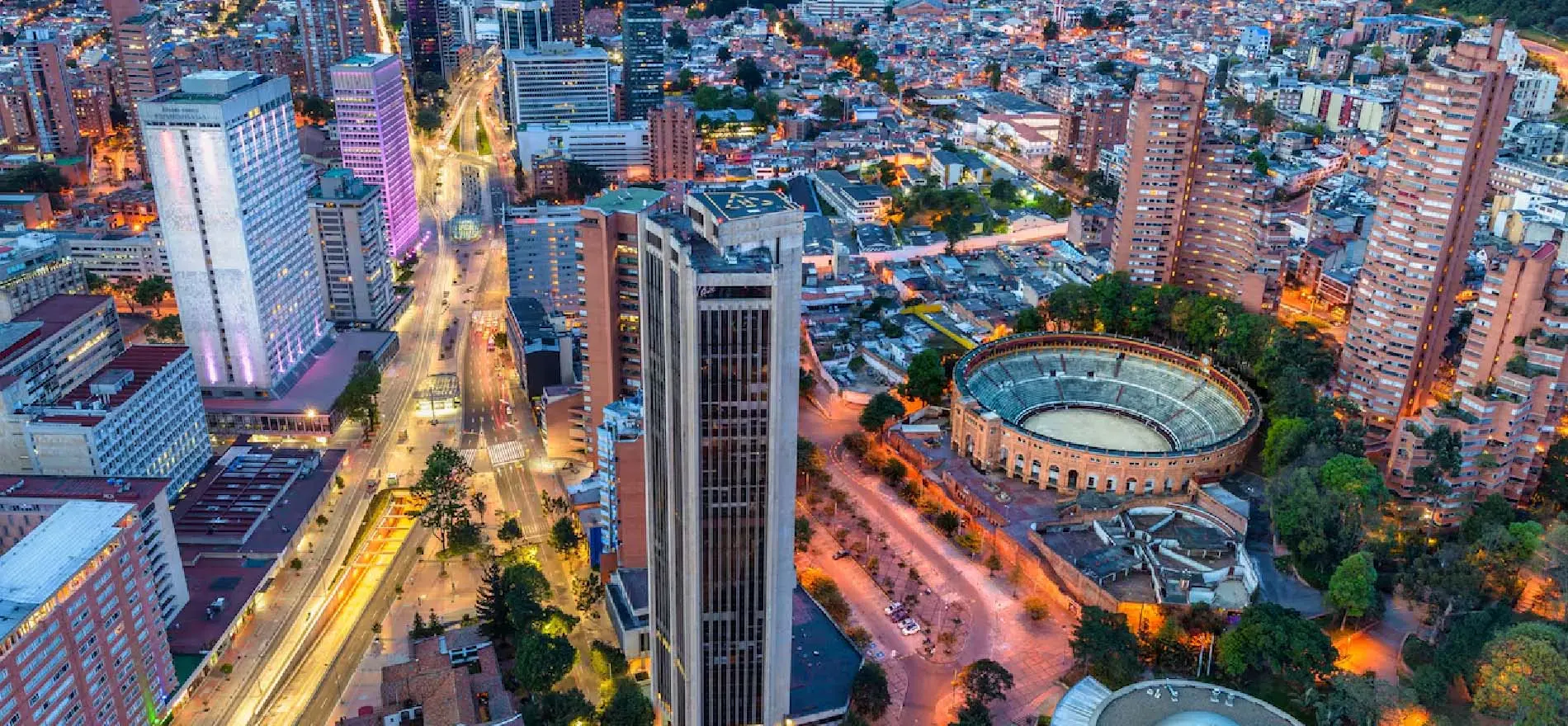
For the modern traveler, particularly men between 20 and 40 who value authenticity over polished resort experiences, Bogota is a revelation. This isn’t a city that tries to please you; it’s a city that challenges and inspires.
Why visit Bogota? Because it is the intellectual and cultural engine of Colombia. While the coast offers beaches and Medellin offers “the eternal spring,” Bogota offers depth.
The city is a fascinating study in contrasts. You can find 400-year-old cathedrals standing alongside brutalist skyscrapers and avant-garde street art that rivals Berlin or London. It is a city of “Tropical Goth” aesthetics—think moody, mist-covered mountains, red-brick architecture, and a population that dresses with a sophisticated, dark-hued edge.
For those who enjoy a “big city” energy, Bogota delivers a relentless, caffeine-fueled drive that is intoxicating for anyone with a professional or entrepreneurial spirit.
Timing Your Arrival: Best Time to Visit Bogota
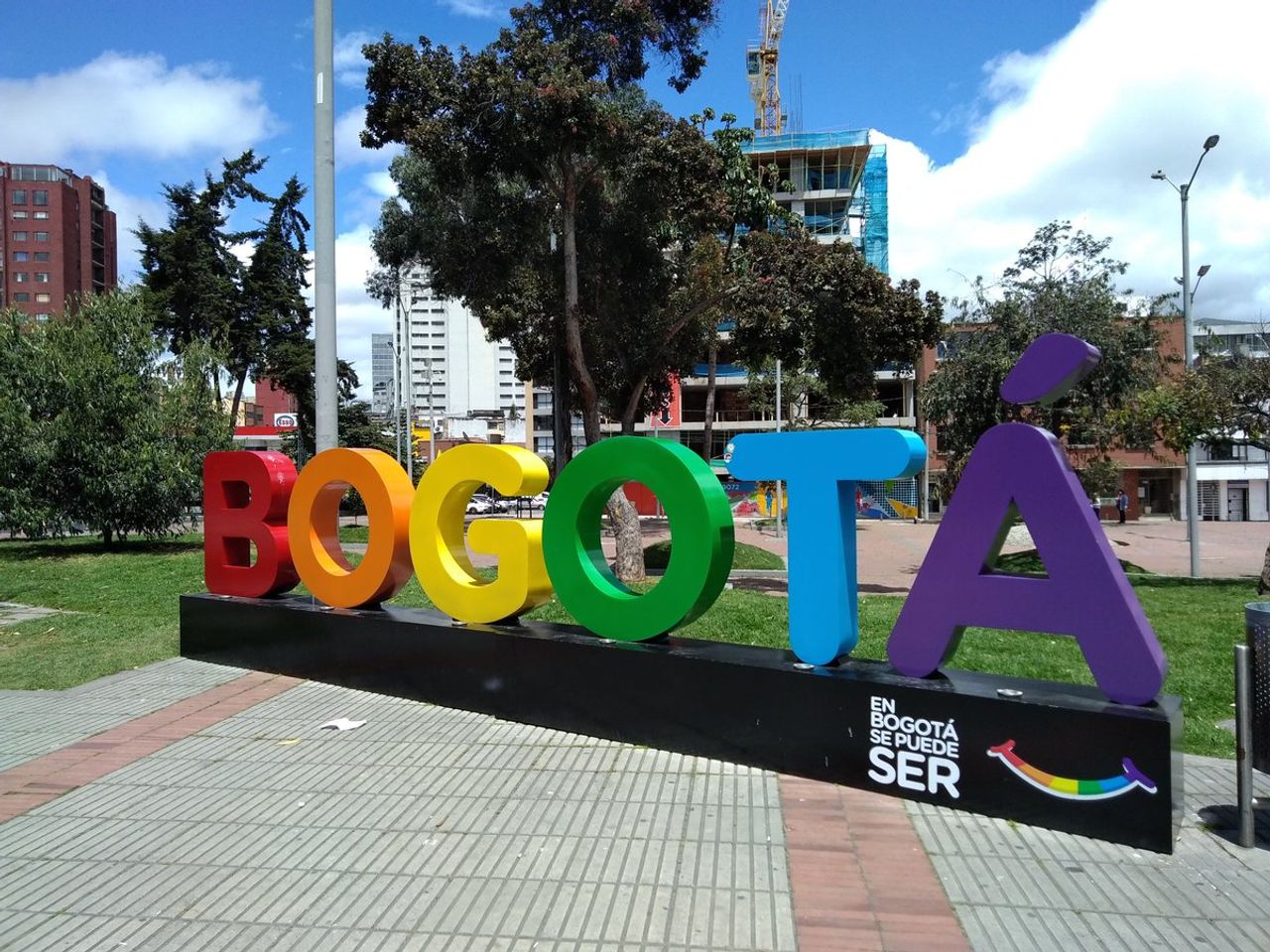
The climate here is famously temperamental. Locals often joke that the city experiences four seasons in a single day. Because it sits so close to the equator, there isn’t a traditional winter or summer; instead, the weather is defined per the “wet” and “dry” seasons.
The Best Months to Visit Bogota
To maximize your outdoor exploration, the best months to visit Bogota are traditionally December, January, and February. This is the primary dry season. During these months, you’ll enjoy crisp, sunny mornings and cool evenings, making it perfect for hiking up to Monserrate or walking the expansive Ciclovía.
Best Time of Year to Visit Bogota (Alternative Windows)
If you can’t make the early-year window, the secondary dry season in July and August is also an excellent best time of year to visit Bogota.
While the wind picks up during these months (locals call August the “month of kites”), the rainfall is significantly lower.
Conversely, if you want to avoid getting soaked during your transit between museums and restaurants, avoid April, May, October, and November, which typically see the heaviest downpours.
Is it Safe to Visit Bogota Colombia? Reality vs. Reputation
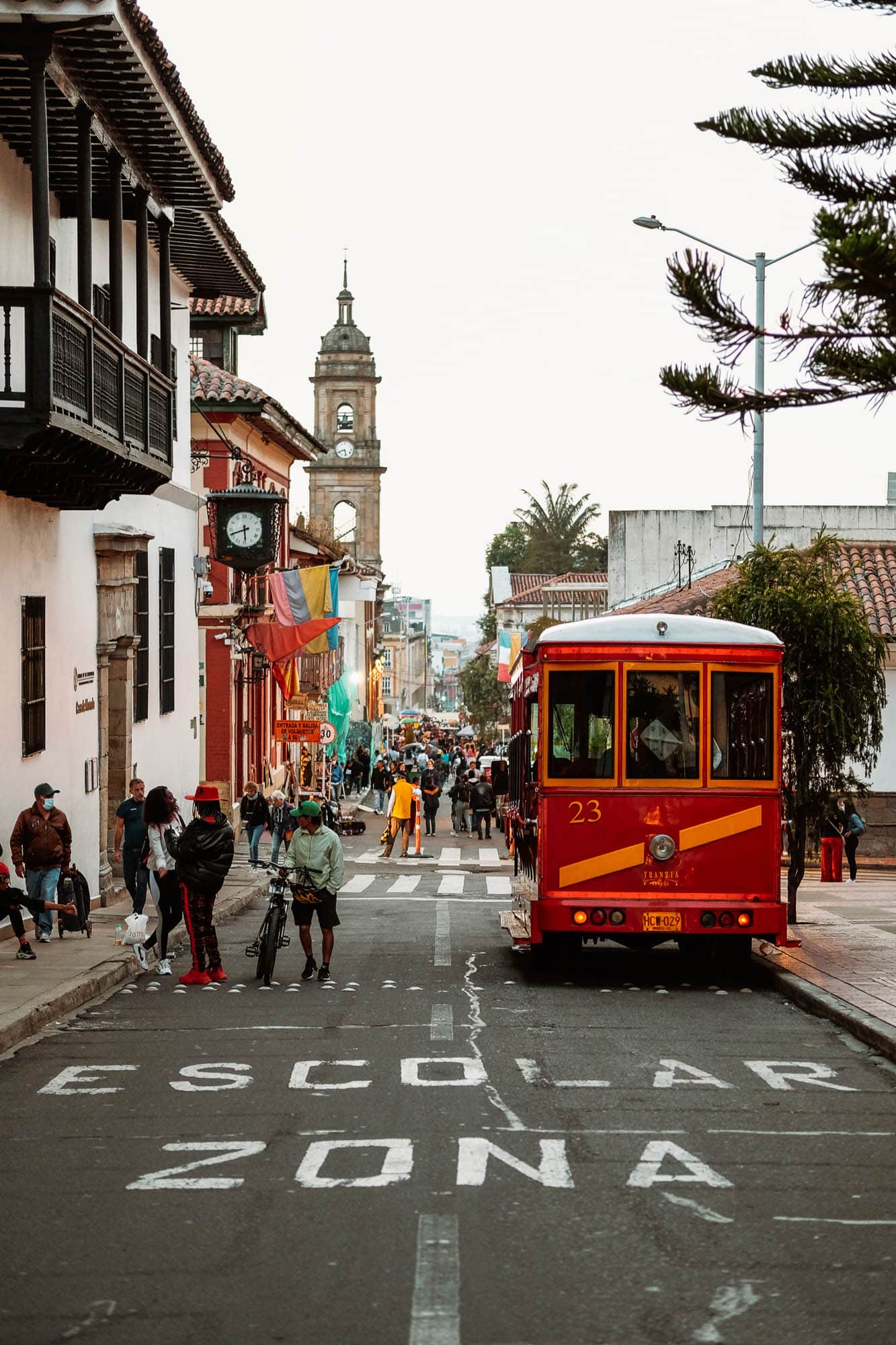
Safety is the first question on every American traveler’s mind. So, is it safe to visit bogota colombia? The short answer is yes, provided you adhere to the local mantra: “No dar papaya” (Don’t give papaya).
In Colombian slang, this means “don’t put yourself in a position where you can be taken advantage of.”
Bogota has made monumental strides in security over the last two decades. However, like any massive urban center with 12 million people, it requires tactical awareness.
- The “Zona Rosa” and North: Neighborhoods like Chico, Rosales, and Usaquén are extremely safe and feel similar to high-end areas in Chicago or New York.
- Transportation: Always use app-based services like Uber or Cabify rather than hailing taxis off the street at night.
- Street Smarts: Keep your smartphone in your pocket while walking, avoid wearing flashy jewelry, and stick to well-lit, populated areas after dark.
For men traveling solo or in groups, the city is generally very welcoming. The “threat” is often overstated per outdated media tropes. If you move with confidence and stay aware of your surroundings, your experience will likely be trouble-free.
The Great Debate: Visit Bogota or Medellin?
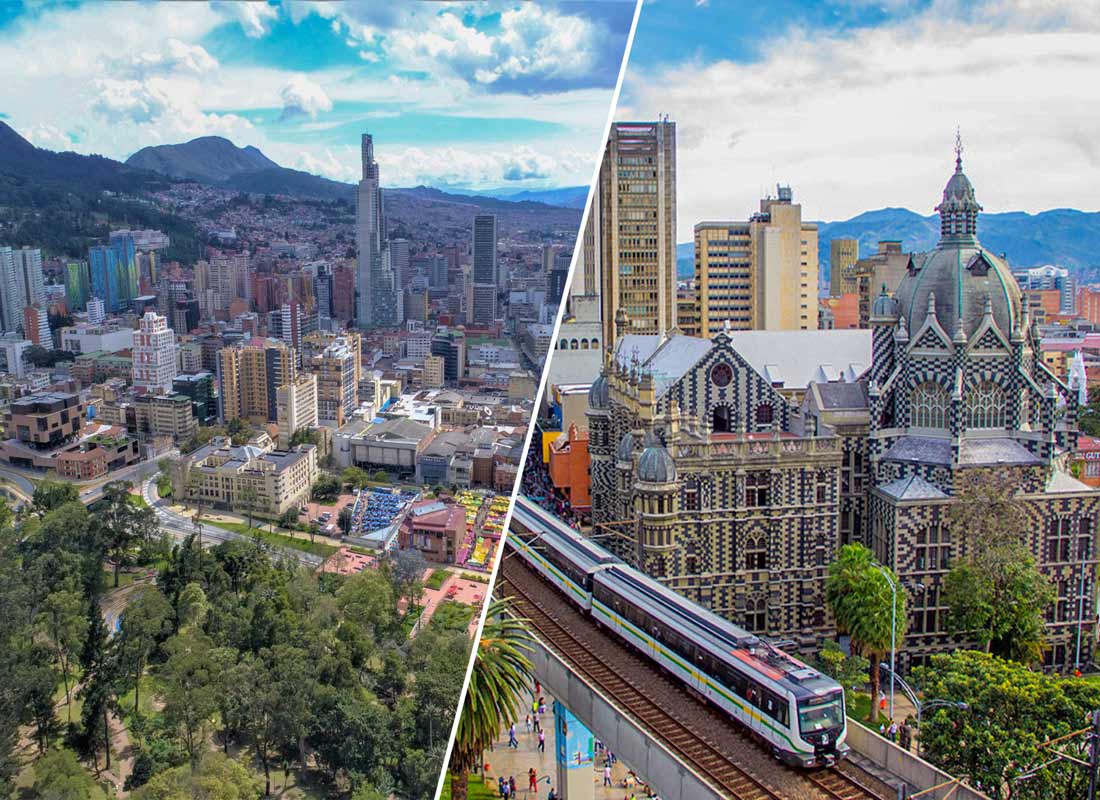
The rivalry between “Rolos” (people from Bogota) and “Paisas” (people from Medellin) is legendary. When deciding whether to visit bogota or medellin, it really comes down to what kind of “vibe” you are hunting.
| Feature | Bogota | Medellin |
| Climate | Chilly, moody, Andean (55-65°F). | Spring-like, warm, tropical (75-85°F). |
| Vibe | Sophisticated, intellectual, fast-paced. | Party-centric, social, laid-back. |
| Culture | Museums, theater, fine dining. | Nightlife, outdoor plazas, innovation. |
| Terrain | High-altitude plateau. | Lush, steep valley. |
Should I visit Bogota if I only have a week? If you want the “true” Colombia—the political, historical, and culinary heart—choose Bogota.
If you want a vacation that feels like a non-stop party with perfect weather, choose Medellin.
Many men find that a 3-day stint in Bogota followed per a 4-day stint in Medellin is the ultimate “power move” for a Colombian itinerary.
Global Interest: How Many Tourists Visit Bogota Each Year?
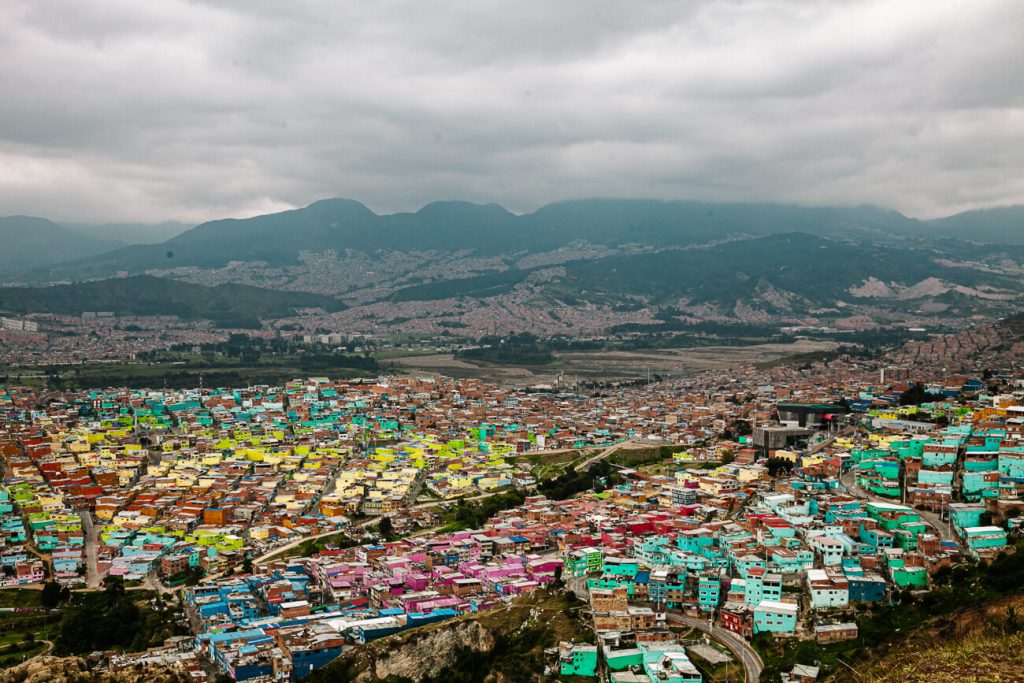
Colombia is no longer a hidden gem; it is a global powerhouse. When looking at how many tourists visit bogota each year, the numbers have surged toward pre-pandemic highs and beyond. In recent years, Bogota has welcomed over 1.2 to 1.5 million international visitors annually.
This influx has transformed the city into a hub for “digital nomads” and business travelers. The increase in tourism has led to a boom in craft breweries, specialty coffee shops, and boutique hotels, making it easier than ever for Americans to find high-end comfort amidst the chaotic beauty of the city.
A Man’s Terrain: The Bogota Experience
Why is this city particularly interesting for men? It offers a “raw” brand of adventure that feels earned. It isn’t a manicured tourist trap; it’s a living, breathing machine.
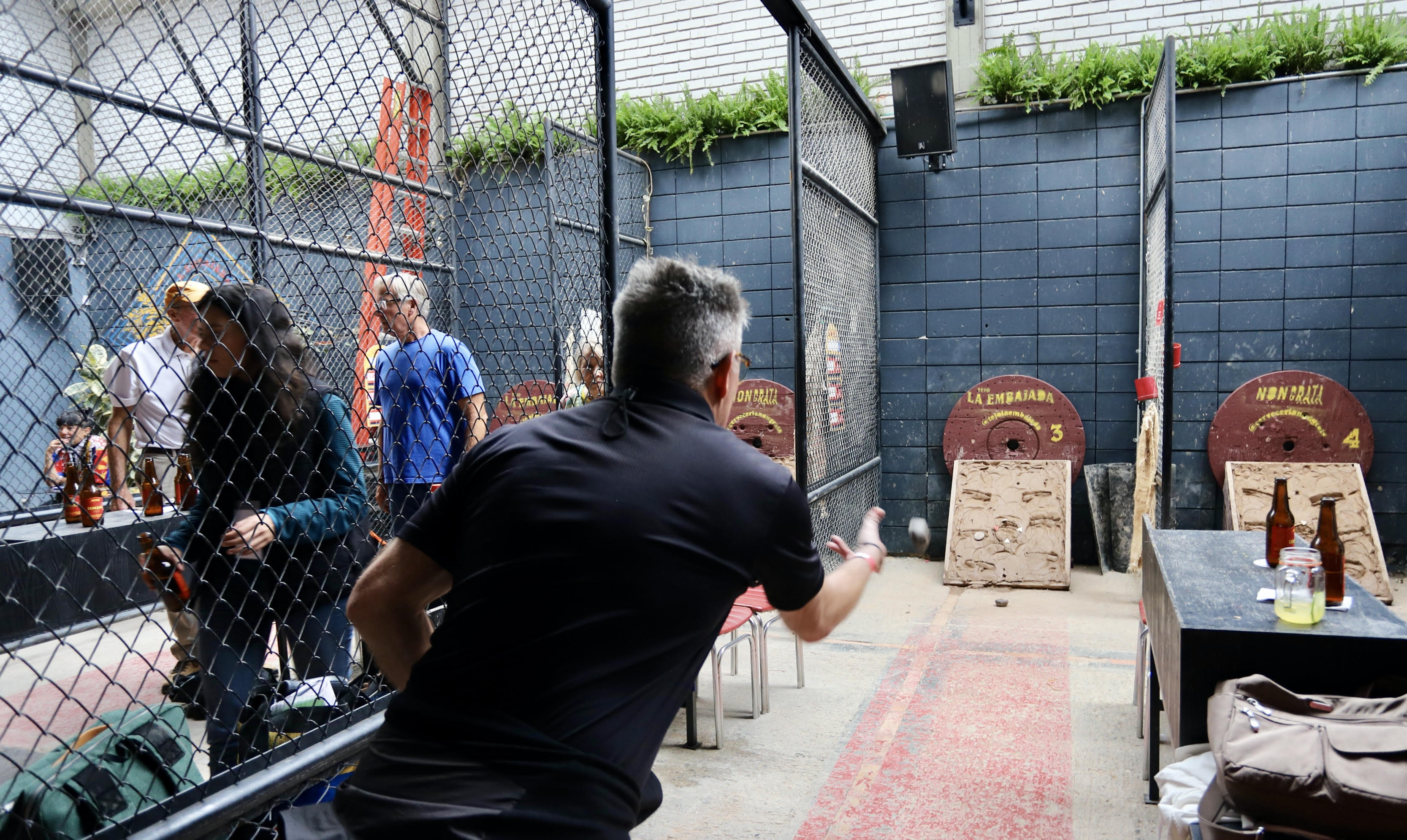
1. The Sport of Tejo
Forget bowling. Tejo is the national sport of Colombia, and it involves throwing metal discs at targets filled with gunpowder.
It’s a quintessential bonding experience for a group of friends and offers a window into the working-class soul of the city.
2. The Nightlife of Zona T
The “T-Zone” is a pedestrian-only area packed with clubs, and restaurants. For the 20-40 demographic, this is the center of the universe.
It is one of the few places in the world where you can feel the pulse of a global city in every footstep.
3. The Coffee and Gastronomy
Colombia produces some of the world’s best coffee, but for years, the best beans were exported. No longer. Bogota is home to a “Third Wave” coffee scene that will change your perspective on your morning brew.
Combine this with the city’s rising status as a culinary capital—home to world-ranked restaurants like Leo and El Chato—and you have a city that satisfies the most demanding palates.
Neighborhood Recon: Where to Set Your Base
To navigate the city like a pro, you need to understand the layout. Bogota is divided per “Estratos” (socioeconomic layers), and as a visitor, you’ll likely spend your time in Estratos 4, 5, and 6.
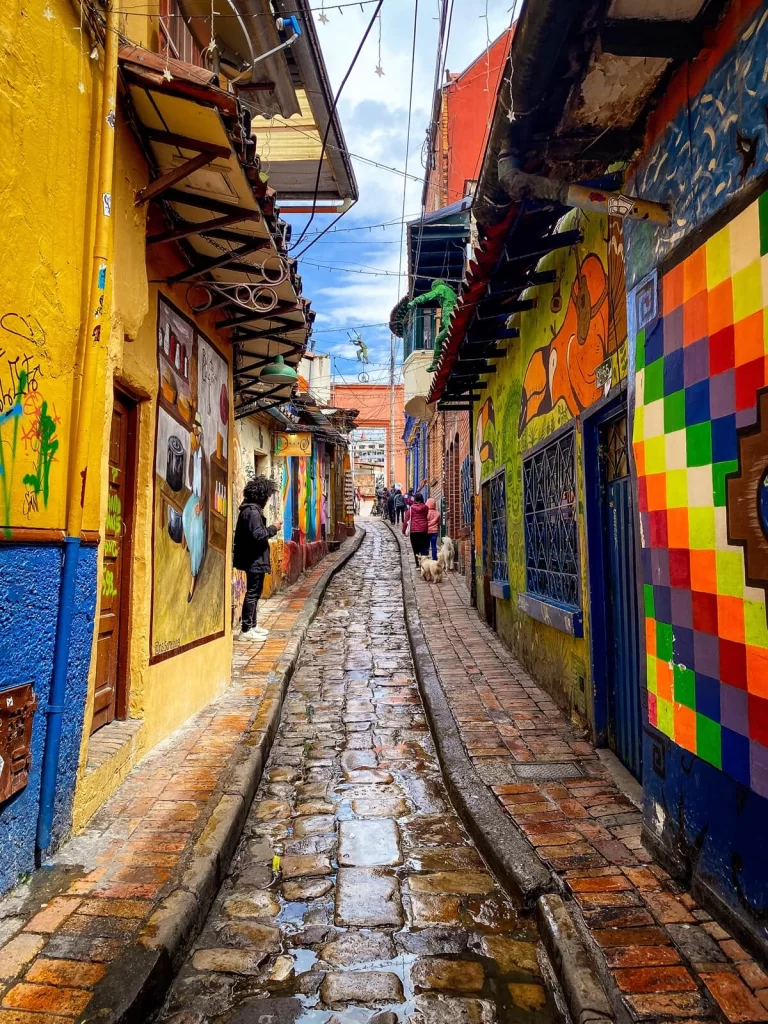
- La Candelaria (The History): Perfect for a day trip to see the Gold Museum and the Botero Museum. It’s the colonial heart, but it can be “sketchy” at night.
- Chapinero Alto (The Hipster Hub): This is where you find the best coffee, the coolest bars, and a younger, creative crowd. It’s the “Brooklyn” of Bogota.
- Parque 93 & Chico (The Business District): If you want luxury hotels, corporate efficiency, and safe, walkable streets, this is your spot.
- Usaquén (The Village): A former colonial village swallowed per the city. It has a fantastic Sunday flea market and some of the most charming restaurants in the capital.
Logistics and High-Altitude Survival
You cannot ignore the altitude. At over 8,600 feet, your body will feel the difference the moment you land at El Dorado International Airport.
- Hydration is Non-Negotiable: Drink twice as much water as you think you need.
- The Ciclovía: Every Sunday, the city closes over 75 miles of main roads to cars, allowing cyclists, runners, and skaters to take over. It is a massive, city-wide fitness festival and the best way to see the various faces of Bogota.
FAQ: Essential Intel for Your Visit
Q: Is the water safe to drink in Bogota? A: Unlike many other South American cities, the tap water in Bogota is generally considered safe to drink. However, if you have a sensitive stomach, sticking to bottled water is a cheap insurance policy for your trip.
Q: Do I need to speak Spanish? A: In high-end hotels and the Zona T, you will find English speakers. However, knowing basic phrases is essential for navigating transport and smaller shops. Download a translation app for real-time assistance.
Q: How do I get around? A: Use Uber or the TransMilenio (the city’s rapid bus system). The TransMilenio has its own lanes and is often faster than a car during the city’s legendary rush hour, though it can be very crowded.
Q: What should I pack? A: Layers. It can be 70°F and sunny at noon and 45°F and raining at 6 PM. A light, waterproof jacket and comfortable walking shoes are mandatory.
Q: Is it expensive? A: For Americans, your dollar goes a long way. You can enjoy a high-end, multi-course meal for a fraction of what it would cost in Miami or LA.
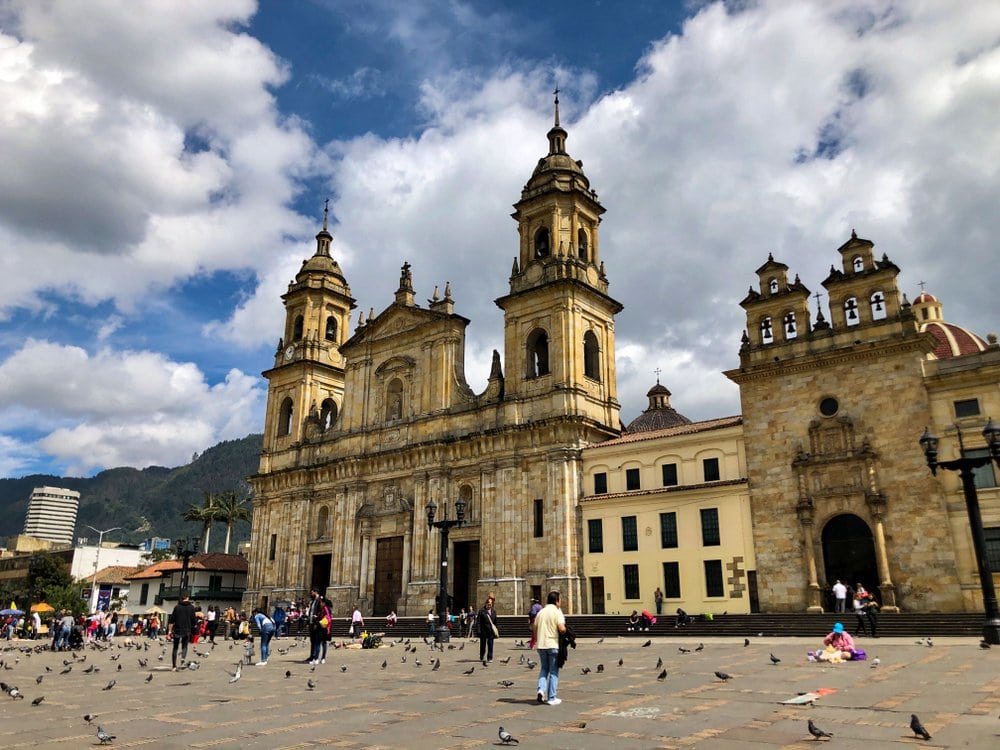
Conclusion: The Call to Adventure
Bogota is a city that demands your full attention. It is a place of high-altitude intensity, deep historical roots, and a modern, forward-thinking energy that is impossible to ignore.
Whether you are coming for the world-class museums, the explosive sport of Tejo, or the sophisticated nightlife of the north, you will leave with a different perspective on what a South American capital can be.
The city is a testament to resilience and creativity. It is a place where every corner tells a story and every cup of coffee is a work of art. So, should I visit Bogota? If you are a man who seeks out the authentic, the challenging, and the culturally rich—the answer is an emphatic yes.
Are you ready to experience the high-altitude pulse of Colombia? Book your flight during the best months to visit Bogota and discover why this mountain metropolis is the secret heartbeat of the continent.