


Key Takeaways
- Routine professional inspections are crucial for resolving minor issues before they become costly problems.
- Keeping your aerator functional and managing sludge effectively are essential for reliable operation.
- Water-saving practices and proper waste disposal habits help sustain efficient system performance.
Table of Contents
- Understanding Aerobic Septic Systems
- Regular Inspections
- Sludge Management
- Water Usage and Load Management
- Aerator Maintenance
- Protecting the Drain Field
- Common Issues and Troubleshooting
- Regulatory Compliance
- Conclusion
Proper maintenance of an aerobic septic system is the foundation for a healthy and reliable home wastewater solution. Routine care not only helps keep the environment clean but also saves homeowners from surprise repair costs and extends the life of their investment. For those in Oklahoma needing expert care, finding a trusted stillwater septic service can make a difference in system health and longevity.
Aerobic septic systems differ significantly from traditional setups. Their intricate design and reliance on oxygen-loving bacteria mean that even minor maintenance tasks can lead to bigger problems over time. Understanding the steps to keep your system running smoothly ensures you avoid unnecessary disruptions, costly failures, and compliance concerns with local regulations.
With the right knowledge and proactive habits, maintaining an aerobic system can be straightforward. Attention to key details and a willingness to seek professional support when necessary help protect both your home and your surrounding ecosystem.
Many states have strict maintenance and inspection requirements for aerobic systems to safeguard groundwater and community health. Working hand in hand with licensed professionals ensures your installation operates safely and remains compliant.
Understanding Aerobic Septic Systems
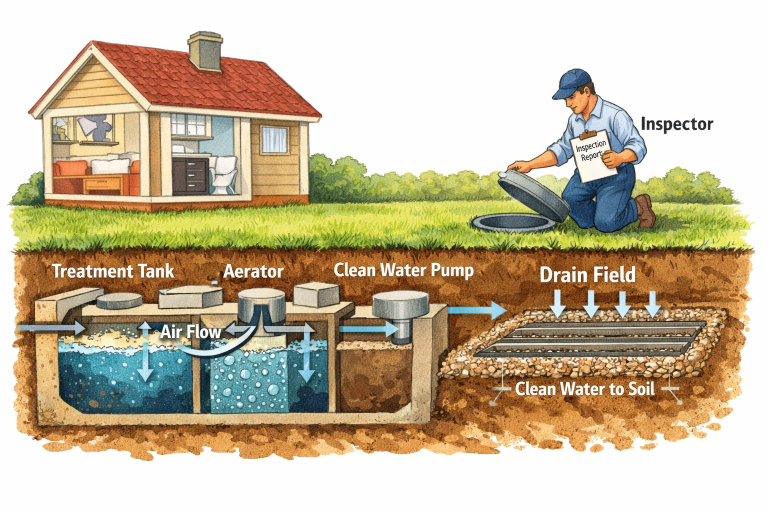
An aerobic septic system relies on oxygen to power specialized bacteria that break down waste products more efficiently than their anaerobic counterparts. The typical system features an aerator, a treatment tank, and a disinfection compartment, working together to minimize environmental impact and deliver higher-quality effluent. Consistent attention and scheduled maintenance prevent critical failures that can arise from neglect or misuse.
Regular Inspections
Keeping your aerobic system working optimally starts with scheduled inspections. Experts suggest booking professional check-ups every 3 to 6 months, with frequency determined by usage levels, the number of occupants, and local regulations. During an inspection, technicians verify aerator performance, check pumps and floats, and inspect the clarifier and disinfection components for blockages or damage. Reviewing effluent quality is also necessary to ensure it meets standards and local permitting requirements.
Homeowners should perform simple visual inspections between professional visits. Warning signs such as slow drains, foul odors, or excessively damp ground near the drain field should prompt immediate investigation or a call to a licensed provider.
Sludge Management
Over months and years, solids accumulate in the system’s treatment tank, gradually forming a sludge layer. Excessive accumulation jeopardizes both function and safety, as solids can enter and clog downstream components. Preventing buildup starts with regular tank pumping every three to five years, but the specific interval depends on household size and water use. A professional septic service can measure current sludge levels and recommend a tailored maintenance schedule. Additionally, avoid flushing items such as wipes, feminine hygiene products, and grease, as they not only contribute to rapid sludge buildup but may also cause costly system failures.
Water Usage and Load Management
Every aerobic septic unit has a rated treatment capacity. Exceeding that volume with high water usage can force under-treated waste through the system or cause backups. Homeowners should repair leaks quickly, install water-saving devices such as low-flow toilets and showerheads, and stagger laundry or dishwashing loads throughout the week. Dispersing heavy water use gives bacteria time to digest waste and prevents unnecessary strain on the equipment.
Aerator Maintenance
Central to aerobic system success, the aerator infuses air into the treatment tank to sustain beneficial microbial activity. Most systems require the aerator to run without interruption. Tasks include cleaning or changing air filters twice yearly to prevent dust and debris buildup, listening for new or strange noises that might signal failing components, and following manufacturer guidelines for replacing the diaphragm or other parts. Neglecting the aerator can quickly undermine the effectiveness of the whole system.
According to the U.S. Environmental Protection Agency, proper aerator care is critical for wastewater treatment systems to prevent failures and protect public health.
Protecting the Drain Field
The drain field plays a critical role in distributing treated water safely into the soil. To prevent costly repairs, do not park or store heavy items on the field, since compacted soil can impede absorption. Ensure landscaping is appropriate. Avoid planting trees or large shrubs near the area, since roots can pierce pipes, and keep gutters and surface runoff directed away to prevent saturation. Attention to the drain field protects both your system investment and the environment.
The Family Handyman offers additional insight into how proactive site care can keep your entire septic system working its best for years.
Common Issues and Troubleshooting
- Foul Odors: These usually signal improper system function, often tied to a failing aerator or excessive sludge. Begin by checking the aerator operation or scheduling a tank inspection if odors persist.
- Alarms or Warning Lights: Alarms often indicate aerator, pump, or high water level issues. Evaluate each carefully and call a technician for unresolved alerts.
- Pooling Water: Standing water near the drain field is a serious sign of clogs or overload. Immediately reduce water use and book a system inspection.
- Slow Drains: Sluggish drains might be a symptom of blockages or pump issues. Never use chemical drain cleaners, as they may harm beneficial bacteria in your aerobic system.
Regulatory Compliance
Many state and local governments enforce strict rules on aerobic septic system maintenance, including mandatory service contracts and inspection schedules. Homeowners should keep thorough records of all maintenance, inspections, and pumping procedures for legal compliance and property resale. Staying informed about requirements protects your home, your investment, and your community’s water quality.
Adopting a comprehensive maintenance plan and working with a reputable septic service provides confidence that your aerobic system will deliver safe, effective performance for years to come.
Conclusion
Maintaining an aerobic septic system requires consistent attention, regular inspections, and adherence to best practices for sludge management, aerator care, water usage, and drain field protection. By staying proactive and addressing issues promptly, whether foul odors, alarms, or pooling water, homeowners can prevent costly failures and safeguard both their property and the surrounding environment. Partnering with a professional septic service ensures compliance with local regulations, proper system operation, and long-term reliability. Ultimately, a well-maintained aerobic system not only protects your investment but also promotes healthier wastewater treatment and a cleaner community.


