High-volume label programs demand repeatable quality, accurate color, and dependable delivery. A custom sticker maker must control artwork checks, material selection, printing, finishing, and order handling without slowing production. That discipline keeps labels readable on shelves, equipment, packaging, and outdoor surfaces.
Businesses also need purchasing routes that fit both occasional orders and recurring bulk runs. The production choices behind that balance explain how high-volume labeling works in practice for modern commercial operations.
A reliable supplier starts with a clear ordering path and production process. Businesses can compare materials, submit finished artwork, and confirm quantities before printing begins.
For buyers who need repeatable results, Comgraphx Stickers & Labels provides a practical route to product labels and stickers backed by dedicated business-to-business support. That structure reduces uncertainty when several locations need the same label specification.
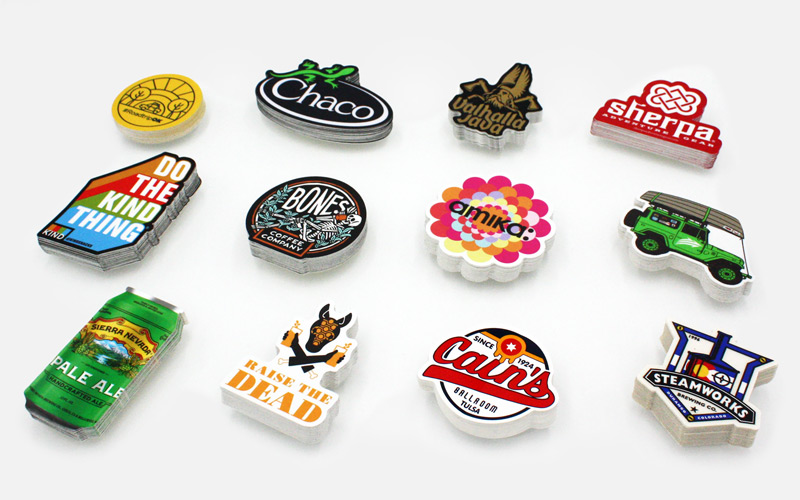
Material Selection Supports Consistent Results
Material choice affects appearance, durability, and application. Product labels can be made from BOPP, paper, or vinyl, while outdoor stickers use premium vinyl with a durable laminate. Each option suits a different surface, environment, and handling requirement.
A production team must match the material to the job before printing. Outdoor graphics need weather-resistant construction, while packaging labels often require a clean surface, readable type, and dependable adhesion. Reviewing material samples helps buyers make that decision before placing a larger order.
Artwork Control Protects Print Quality
High-volume printing starts with consistent artwork. A supplier needs the correct dimensions, file setup, colors, and quantity details before a job enters production. Those checks prevent avoidable corrections after printing begins.
Repeat orders benefit from retained specifications and clear product records. When a business reorders the same label, the original material, size, shape, and finish should remain easy to identify. This process reduces variation between production runs.
Production Choices Match Order Requirements
A high-volume sticker maker needs more than one production method. Standard online ordering and a CGPro business-to-business program for larger or more complex purchasing needs are also essential.
The CGPro program includes a personal account manager, flexible payment options, and bulk discounts. It also supports screen and flexo printing. These choices give business buyers a direct route for recurring programs, specialized print requirements, and larger quantities.
Online ordering suits straightforward products, while expert support suits accounts with repeated specifications or multiple purchasing needs. Separating these paths keeps simple orders fast without removing assistance from larger accounts.
Finishing Helps Labels Survive Use
Printing creates the image, but finishing determines how that image holds up during handling. A durable laminate protects outdoor stickers from everyday exposure and helps maintain a cleaner appearance over time. Product labels also need a finish that suits their surface and use. Paper labels suit some packaging applications, while BOPP and vinyl meet different performance requirements. The correct combination depends on the product, environment, and expected contact.
Fulfillment Keeps Volume Moving
Production speed matters when labels support a launch, shipment, or scheduled service program. Most online products typically ship within five business days. Such an expedited timing gives buyers a practical planning point for routine orders. If there are no minimum order limits, a business can place a smaller test order, approve the result, and then move into a larger recurring program.
This approach limits waste when a label specification still needs review. Businesses with ongoing demand can use reorder functions and account support to keep approved products easily accessible. A defined reorder process reduces the chance of selecting a different material or finish by mistake.
A Practical Quality-Control Process
A dependable high-volume workflow follows a simple sequence:
- Confirm the label’s surface, environment, size, and quantity
- Select paper, BOPP, or vinyl based on the application
- Review a material or custom sample before larger production
- Approve artwork, finish, and product specifications
- Choose online ordering or CGPRO support
- Track production and shipping against the planned schedule
This process gives buyers control before the press run begins. It also creates a repeatable record for future orders, which matters when several teams purchase the same labels.
Conclusion
Quality at high volume depends on repeatable decisions before printing starts. Buyers should match the material to the application, test a sample, approve artwork, and record the finished specification for reorders.
Online checkout suits routine purchases, while CGPro support handles account-based needs, payment terms, and bulk programs. The next step is to request a material or custom sample, then use the approved result as the standard for all future label orders.