


Clean-in-Place (CIP) systems are crucial for maintaining hygiene standards in food, beverage, and pharmaceutical industries. These automated cleaning solutions ensure that processing equipment remains sanitary without the need for disassembly.
Pre-Sure™ Cap, a specialized component designed for CIP systems, plays a vital role in enhancing the efficiency and effectiveness of cleaning processes.
Implementing Pre-Sure™ Cap in CIP systems optimizes cleaning performance by providing reliable sealing with Pre-Sure™ and maintaining consistent pressure throughout the cleaning cycle
This innovative Pre-Sure™ Cap ensures thorough cleaning of equipment interiors, reducing the risk of contamination and improving overall product quality.
By following best practices for Pre-Sure™ Cap usage, manufacturers can enhance their CIP processes, leading to improved food safety and regulatory compliance.
Key Takeaways
- Pre-Sure™ Cap enhances CIP system efficiency and cleaning effectiveness
- Proper implementation ensures consistent pressure and thorough equipment cleaning
- Best practices for Pre-Sure™ Cap usage improve food safety and regulatory compliance
Principles of Effective Clean-in-Place (CIP)
Clean-in-Place (CIP) systems are essential for maintaining hygiene in industrial processes. Effective CIP relies on understanding system mechanics and optimizing cleaning parameters.
Understanding CIP System Mechanics
CIP systems operate by circulating cleaning solutions through equipment without disassembly. Turbulent flow is crucial for effective cleaning, requiring velocities above 1.5 m/s in pipes.
CIP processes typically involve:
- Pre-rinse
- Detergent wash
- Intermediate rinse
- Acid wash (if needed)
- Final rinse
- Sanitization
Automated CIP systems offer consistent results and reduced downtime. These systems control flow rates, chemical dosing, and cycle times precisely.
Determining Optimal Cleaning Parameters
Key parameters for effective CIP include:
- Flow rate: Ensures turbulent flow for mechanical cleaning action
- Temperature: Typically 140-160°F (60-71°C) for optimal cleaning
- Chemical concentration: Varies by detergent type, usually 1-3%
- Contact time: Depends on soil type and equipment complexity
Conductivity sensors monitor chemical concentrations. Temperature sensors ensure proper heat levels are maintained throughout the cleaning cycle.
CIP effectiveness relies on the synergy of these parameters. Insufficient flow rates or temperatures can lead to inadequate cleaning. Excessive chemical use or prolonged cycles waste resources.
Regular validation of CIP processes ensures consistent cleaning results. This may involve visual inspections, microbiological testing, or ATP swabs.
Optimizing Pre-Sure™ Cap Usage in CIP Systems
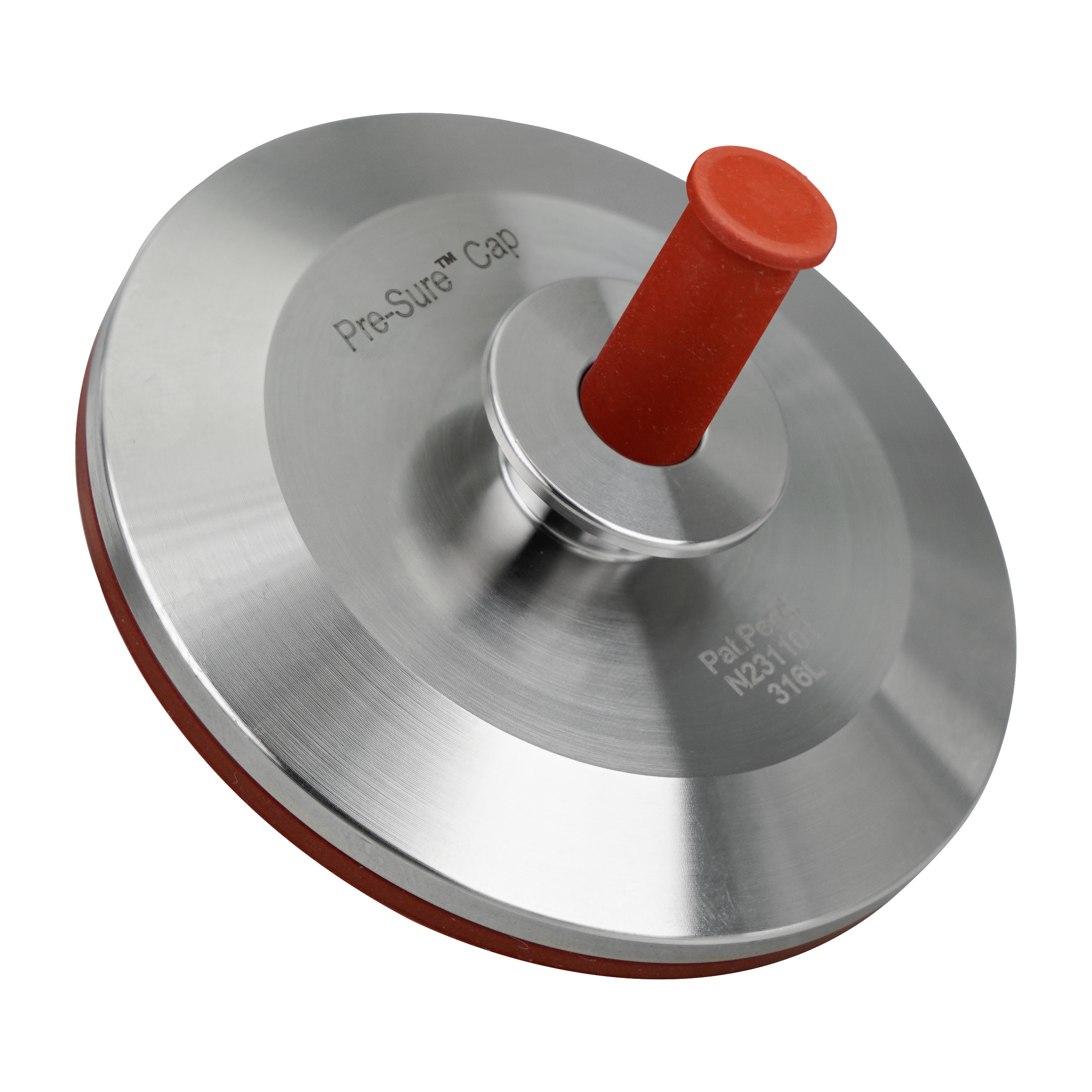
Pre-Sure™ Cap plays a crucial role in Clean-in-Place (CIP) systems, enhancing cleaning efficiency and ensuring thorough sanitization. Proper integration, chemical handling, and sanitization practices are key to maximizing its effectiveness.
Integration with Cleaning Solutions
Pre-Sure™ Cap works best when integrated with appropriate cleaning solutions. Caustic soda and acid wash are commonly used in CIP systems. The cap’s design allows for optimal distribution of these chemicals throughout the system.
Ensure compatibility between Pre-Sure™ Cap and chosen cleaning agents. This prevents damage to equipment and maintains cleaning efficacy. Adjust solution concentrations based on manufacturer recommendations and specific cleaning requirements.
Consider water quality when selecting cleaning solutions. Hard water may require additional treatments to prevent scale buildup on Pre-Sure™ Cap components.
Best Practices for Chemical Handling
Safe and effective chemical handling is essential when using Pre-Sure™ Cap in CIP systems. Always wear appropriate personal protective equipment (PPE) when handling cleaning chemicals.
Store chemicals in a cool, dry place away from direct sunlight. Follow proper labeling and segregation practices to prevent accidental mixing of incompatible substances.
Use automated dosing systems to ensure accurate chemical concentrations. This reduces waste and improves cleaning consistency. Regularly calibrate dosing equipment to maintain precision.
Implement a chemical rotation schedule to prevent microbial resistance. This approach helps maintain long-term cleaning effectiveness.
Ensuring Effective Sanitization
Pre-Sure™ Cap contributes significantly to effective sanitization in CIP systems. Proper usage maximizes its impact on hygiene standards.
Monitor cleaning time and temperature closely. These factors directly affect sanitization efficacy. Use temperature sensors and timers to maintain optimal conditions throughout the cleaning cycle.
Implement a final rinse step using purified water to remove any chemical residues. This ensures product safety and quality.
Regularly inspect Pre-Sure™ Cap components for wear or damage. Replace parts as needed to maintain optimal performance. Conduct periodic microbiological testing to verify sanitization effectiveness.
Consider using UV light or ozone treatments in conjunction with Pre-Sure™ Cap for enhanced disinfection in critical applications.
Conclusion
Pre-Sure™ Cap plays a vital role in optimizing Clean-in-Place (CIP) systems. Its proper use enhances cleaning efficiency, reduces chemical consumption, and ensures consistent sanitation results.
By following best practices for implementation and maintenance, facilities can maximize the benefits of Pre-Sure™ Cap technology.
Adopting these methods leads to improved product quality, regulatory compliance, and operational cost savings. Regular monitoring and staff training are essential for sustained success with Pre-Sure™ Cap in CIP applications.


