


Houston is one of the biggest urban areas in the country, with over 2.3 million residents spread across hundreds of square miles. With so many homes, parks, sidewalks, and apartment complexes packed into such a sprawling area, there are thousands of dogs living alongside people.
Houston doesn’t currently enforce breed-specific laws, but animal control has labelled several areas as high-risk for aggressive dog incidents. This is made more complicated by the fact that, under Texas law, a dog’s owner isn’t automatically liable unless you can prove prior aggression or negligence.
Consulting a Houston dog bite injury lawyer is a step in the right direction if you ever find yourself a victim of a dog bite. A lawyer can help you ensure that your rights are protected and that you’re taking steps that can increase your chances of compensation.
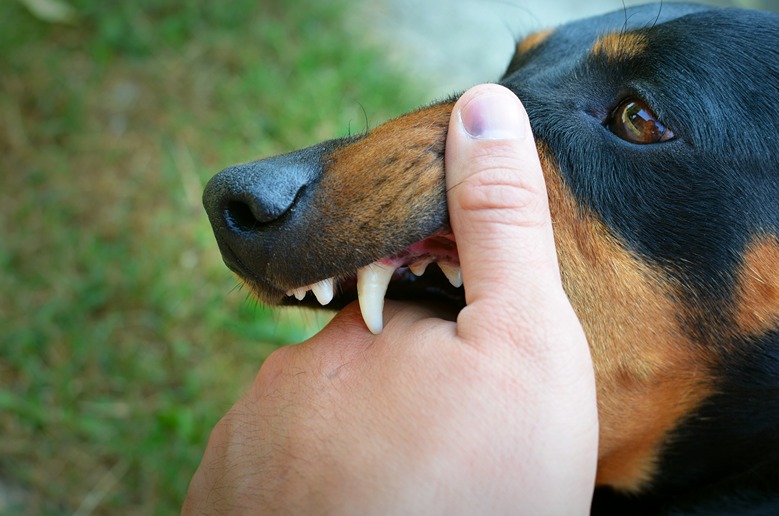
Here are the ways your rights can and will be protected when there’s a lawyer to guide you through the process:
Get Medical Attention Immediately, No Delays
Dog mouths carry tons of bacteria, and once that’s under your skin, it can trigger infections like cellulitis or even sepsis. Their bites can also tear through skin, muscle, and nerves.
You might feel fine in the moment, but the damage can go deeper than it looks.
Some victims don’t realize they’ve suffered tendon damage or nerve loss until days later. You need medical care to prevent all of these from happening.
Report the Attack, Even If You Know the Dog’s Owner
It doesn’t matter if it was your neighbor’s pet or a dog you’ve seen around the block before; you need to report the attack. In Houston, you can report a dog bite to Houston’s BARC Animal Enforcement division or, in more urgent cases, to the police.
They’ll log the details, investigate if needed, and check whether the dog has a prior history of aggression.
If the dog’s done this before, it could help prove negligence. If not, your report becomes part of the dog’s official record.
Start Gathering Evidence Right Away
As soon as you’re safe and stable, start documenting everything. This is the part that might feel awkward, but it’s where your case starts to take shape.
You’ll also want to ask the owner, calmly, if possible, for details like
- Has the dog been vaccinated?
- Has it shown aggression before?
- Has it ever bitten anyone else?
- Is the dog registered with the city?
Don’t assume animal control will chase that info down for you. The more you collect upfront, the stronger your case will be.
Write everything down. The date, time, weather, what you were doing, what the dog did, and what the owner said or didn’t say. You might think you’ll remember, but memory fades. Get it in writing while it’s fresh.
Know the Legal Landscape in Texas
Texas doesn’t use a strict liability model for dog bites like some states do. Here, it follows the one-bite rule. That means you generally have to prove one of these:
- The dog had bitten or acted aggressively before, and the owner knew it.
- The owner was negligent (e.g., they let the dog run loose or ignored leash laws).
So if the dog had no history and was secured behind a fence, it can be harder to win a claim. But don’t assume it’s impossible. If the owner failed to control the dog, or if the dog was off-leash in public, that’s often enough to show negligence.
Also, sometimes responsibility doesn’t stop with the dog’s owner. If a landlord allowed a known dangerous dog on the property or a business to let a dog in where it wasn’t allowed, they might share legal liability.
Get a Lawyer
You need a lawyer who handles dog bite cases, someone who knows what to look for, what to ask, and how to build your case.
They’ll also help calculate the full value of your case, not just the hospital bill, but the long-term impacts like nerve damage, trauma, and permanent disfigurement.
And maybe most importantly, they’ll deal with the stress so you don’t have to. They’ll talk to the insurance companies, gather the records, interview witnesses, and represent you in court if it comes to that.
Because, to be honest, you’ve got enough to deal with just recovering.