Las Vegas, Nevada, residents face unique financial challenges in a city where the economy heavily relies on hospitality, gaming, and tourism industries.
With Nevada experiencing fluctuating employment rates and Las Vegas being home to over 650,000 residents who often work in service-based industries, maintaining good credit is crucial for accessing loans, mortgages, and other financial opportunities.
Credit report errors can lead to severe consequences, such as being denied a loan, which can be particularly devastating in a competitive housing market like Las Vegas. When facing such issues, it’s essential to understand your legal options and know where to seek help from qualified professionals like those at YourFairCreditLawyer.com.
Your credit scores determine a major portion of your financial opportunities in Las Vegas and throughout Nevada. They affect access to credit, interest rates, and, in some cases, housing options in this rapidly growing metropolitan area.
Being aware of legal methods can help individuals resolve these problems effectively and protect their financial future.
Understanding Credit Report Errors
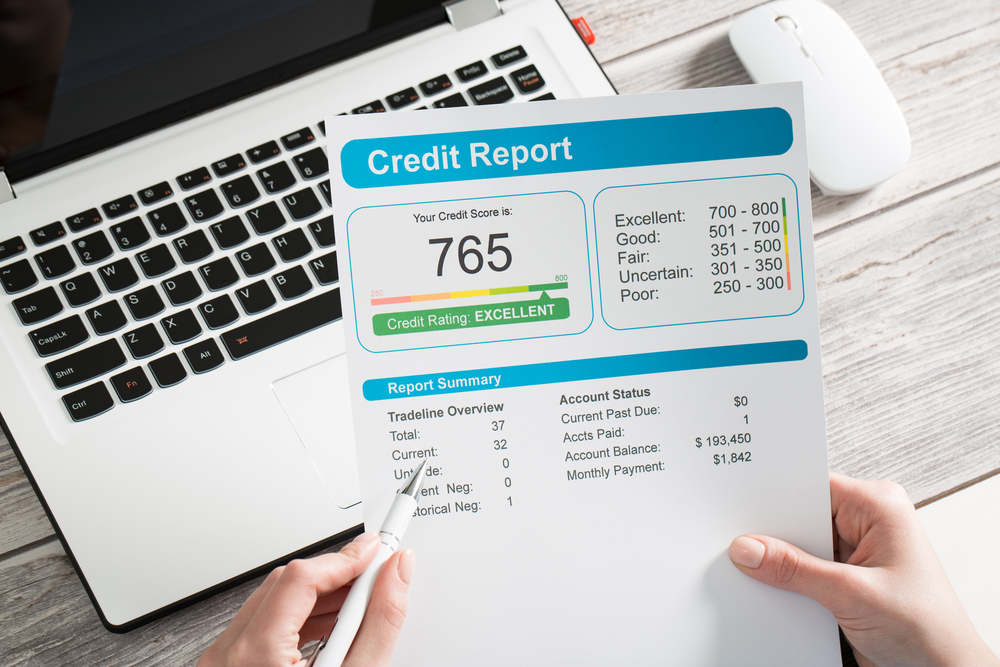
It’s not rare to find mistakes on a credit report. Everything from inaccurate payment histories to outdated personal information.
Therefore, spotting and fixing these errors can be crucial, as mistakes can adversely affect your scores. When you check your credit reports regularly, you can identify inaccuracies and ensure you’re not facing unnecessary loan denials.
What to Do if You Are Denied a Loan
Getting denied for a loan can be frustrating, especially when it’s due to mistakes on your credit report. However, taking immediate action can make a significant difference. The first step is to obtain a copy of your credit report from the reporting agency.
Review it thoroughly to identify any errors, and document these mistakes for your dispute. The lender usually provides information about the reasons for denial—understanding this information can help guide your correction efforts.
Disputing Credit Report Errors
After identifying errors, the next step is filing a dispute with the credit reporting agency. Each agency has different dispute processes, but most offer options for submitting disputes through online portals or by mail. List the mistakes clearly and concisely while providing any supporting documentation. The agency typically responds within 30 days, investigating the claims and making corrections if necessary.
Legal Protections and Consumer Rights
Several laws protect consumers from credit report errors. Under the Fair Credit Reporting Act (FCRA), you have the right to dispute errors and receive accurate information. The FCRA requires credit reporting agencies to investigate disputes promptly and thoroughly. If errors remain uncorrected, consumers can add a statement to their report explaining their side of the situation.
Seeking Professional Assistance
In more complex cases, it may be wise to seek legal counsel. Consumer rights attorneys specialize in helping clients navigate credit disputes. They can provide valuable assistance when initial correction attempts fail.
For instance, when court intervention becomes necessary, experienced lawyers understand the complexities of credit laws and can effectively advocate for their clients’ rights.
Filing Complaints with Regulatory Authorities
Another option, if resolution efforts with credit reporting companies prove unsuccessful, is filing complaints with regulatory authorities. The Consumer Financial Protection Bureau (CFPB) accepts complaints about credit reporting issues. They facilitate dispute resolution by contacting credit reporting agencies directly on your behalf.
Considering Legal Action
If errors cause significant financial damage, you may have grounds for legal action. Under certain circumstances, you could file a lawsuit against the credit reporting agency or the information provider.
This option requires careful consideration, and consulting with a legal expert can help determine its viability. Successful lawsuits may result in compensation for damages caused by erroneous credit information.
Preventing Future Credit Report Errors
Prevention remains the best approach to minimizing future inaccuracies. Staying current with your credit reports helps identify mistakes early. Credit monitoring services alert you to changes in your credit reports, allowing you to respond quickly to potential issues.
Understanding your credit rights and responsibilities helps protect your overall financial health and stability.
Conclusion
Credit report errors that result in loan denials can significantly impact your financial growth and stability. However, by understanding available legal remedies and taking appropriate action, you can minimize these negative effects.
Various options exist for resolving credit report errors, from disputing inaccuracies independently to seeking professional legal assistance.
Being proactive and informed about your credit rights provides the necessary tools to maintain accurate credit reporting and protect your financial future.