


Facing a criminal charge can be overwhelming from the moment someone is arrested, especially when the outcome may affect their freedom, reputation, or future. In Dublin, California, defendants may have to make important decisions before they fully understand what the charges mean or what lies ahead.
Having legal guidance early can make each stage of the process easier to understand and navigate. A Dublin, CA, criminal defense lawyer can help a defendant understand their rights and make informed decisions as the case moves forward. From the first court appearance to a possible trial, experienced representation provides a steady legal presence during a stressful and uncertain time, helping defendants face the process with greater confidence.
What Happens After an Arrest
After an arrest, a defendant needs prompt advice before answering questions or deciding how to seek release. A lawyer reviews the charge, explains immediate risks, and sets defense priorities. Early legal review can expose an unlawful search, weak identification, unreliable statements, or missing facts before those issues become harder to address in court.
A criminal defense lawyer reviews the arrest circumstances, explains the next court date, and protects the defendant’s rights during the first critical hours. Early legal guidance helps limit damaging statements and preserves information that supports the defense. That work also prepares the case for the next stage.
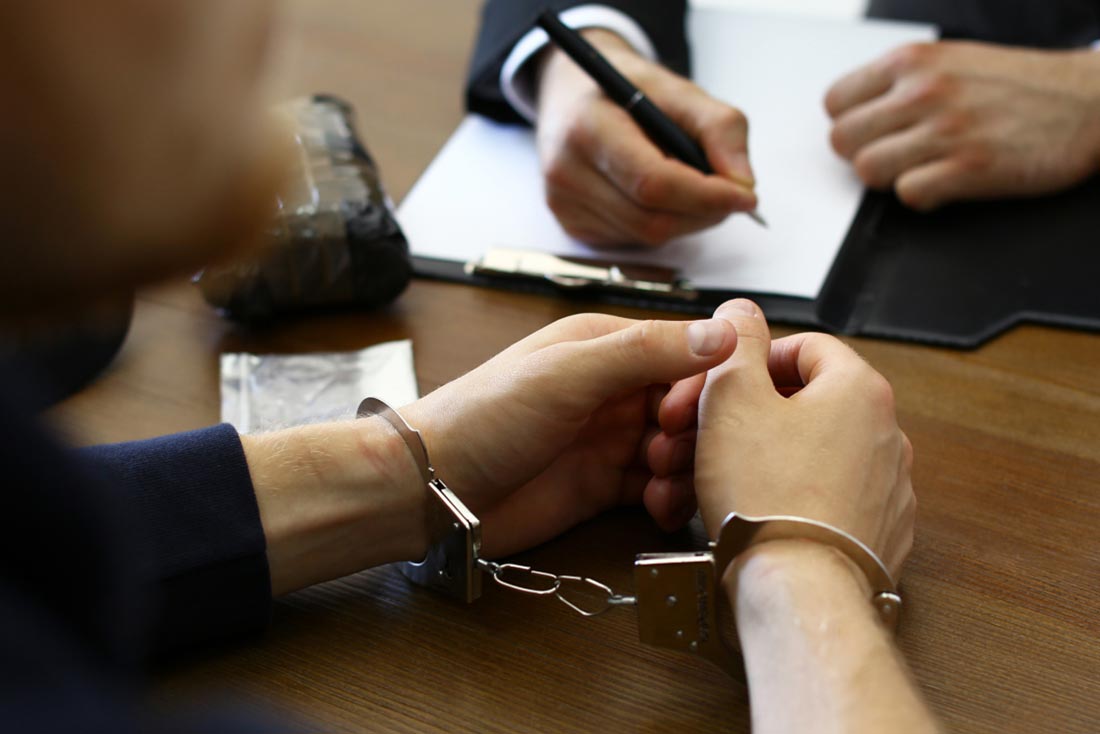
Police usually take the accused through booking, which records identifying information, fingerprints, and a photograph. Officers also collect personal property and document the alleged offense. Depending on the circumstances, the person remains in custody until release, bail review, or an appearance before a judge.
A lawyer advises the defendant about communicating with police during this period. Statements made after an arrest are closely scrutinized, so the defendant should avoid discussing the facts with investigators without legal advice.
The Arraignment and Initial Court Decisions
The arraignment is the hearing during which the court states the charges and advises the defendant of constitutional rights. The defendant then enters a plea, usually guilty, not guilty, or no contest.
The judge may address bail, release conditions, restraining orders, and future hearing dates. Conditions can restrict travel, contact with certain people, possession of weapons, or alcohol and drug use.
A defense lawyer reviews each condition and challenges terms that lack a proper connection to public safety or the allegations. The lawyer also confirms deadlines and explains what the defendant must do before returning to court.
Investigation Before Trial
A defense investigation begins while the prosecution builds its case. The lawyer reviews police reports, photographs, recordings, witness statements, medical records, digital evidence, and other materials tied to the allegations.
Witness interviews can reveal contradictions, missing context, or facts that support a different account. The defense can inspect the location, examine physical evidence, and consult qualified specialists when technical issues affect the case.
This stage helps the lawyer identify weaknesses in the prosecution’s theory. It also gives the defendant a clearer basis for choosing dismissal, a negotiated resolution, or trial preparation.
Motions and Evidence Challenges
Criminal defense lawyers often file motions that ask the court to exclude evidence or dismiss charges. A motion can challenge an unlawful search, an improper seizure, an involuntary statement, or an identification procedure that violated constitutional protections.
The court may hold an evidentiary hearing before deciding whether certain evidence reaches the jury. During that hearing, witnesses can testify about police conduct, the defendant’s statements, and the way evidence was collected.
Successful motions can narrow the prosecution’s case or remove evidence prosecutors need to prove an element of the charge. The defense lawyer must connect each argument to the facts, applicable law, and record developed during the case.
Plea Negotiations and Case Resolutions
Many criminal cases resolve before trial through a negotiated plea. A lawyer evaluates the charges, evidence, criminal history, sentencing exposure, and collateral consequences before advising the defendant about an agreement.
A negotiated resolution can involve reduced charges, fewer counts, probation, treatment, community service, or a specific sentence recommendation. The prosecutor and judge must follow the legal requirements for the agreement.
The defendant makes the final decision about whether to accept a plea. Counsel explains the immediate terms and longer-term effects, including possible impacts on employment, housing, licenses, immigration status, and future charges.
Preparing for Trial
When a case goes to trial, the defense lawyer develops a theory supported by admissible evidence. Preparation includes reviewing jury instructions, identifying witnesses, preparing cross-examination, and filing motions about testimony or exhibits.
The lawyer also helps the defendant decide whether to testify. That decision depends on the evidence, the charges, possible cross-examination, and the defendant’s constitutional right to remain silent.
During trial, the prosecution must prove every required element beyond a reasonable doubt. The defense lawyer challenges unsupported testimony, exposes inconsistencies, objects to improper evidence, and presents evidence supporting the defense position.
Conclusion
A criminal defense lawyer‘s work changes as a case moves through custody, arraignment, investigation, motions, negotiations, and trial. Each stage creates deadlines, legal choices, and risks that require focused attention.
A defendant should preserve paperwork, avoid discussing the allegations publicly, follow every court order, and request legal advice promptly.
Early action gives counsel more time to examine evidence, protect constitutional rights, and choose a strategy based on the record.