


The fitness industry is undergoing a massive paradigm shift. Today’s fitness lovers are no longer just chasing physical aesthetics or tracking calories. Instead, they are looking for holistic longevity, high-tech personalization, and community-driven experiences.
It means fitness brands need to move past generic marketing and adapt to deeply ingrained lifestyle shifts to stay relevant. If your business wants to capture the hearts, minds, and wallets of modern health enthusiasts, you must align your strategy with the cultural and technological forces shaping the industry.
Source: Magnific
Here are the 5 popular trends reshaping the fitness market:
Premium Product Unboxing
A product’s physical presentation is just as important as its functionality in the modern digital age. Social media culture heavily influences modern fitness lovers. Unboxing videos and aesthetic gym routines dominate feeds.
Whether it is a premium smart wearable, a luxury supplement line, or a curated influencer kit, consumers expect a high-end experience from the moment their package arrives. Following this, forward-thinking fitness brands are shifting away from generic packaging.
They are investing in beautifully branded custom display boxes to stand out on retail shelves. Using them maximizes user-generated content on platforms like Instagram and TikTok. Display boxes turn your routine delivery into a premium brand event that consumers want to share online.
In crowded vitamin, supplement, or tech aisles, eye-catching display boxes instantly communicate luxury and capture the attention of browsing shoppers. You can also leverage these boxes by customizing them from reliable packaging suppliers, like OXO Packaging.
The Rise of Smart Yet Personalized Ecosystems
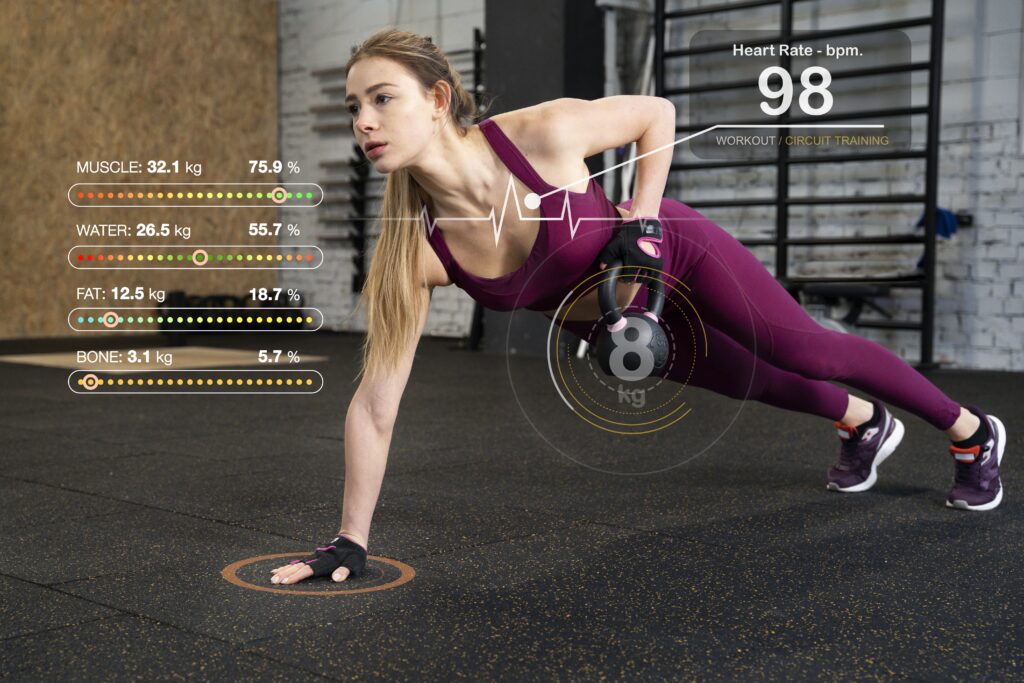
Consumers now expect their wellness journeys to be as unique as their DNA. The era of the one-size-fits-all workout plan is officially over. Due to advancements in artificial intelligence and biometric tracking, modern fitness lovers demand hyper-personalized solutions that adapt to their daily lives in real time.
Brands that successfully integrate customizable hardware and software into their offerings are winning the market. This shift has hyper-focused industry attention on seamless digital integration. That is forcing companies to utilize advanced ecosystem options to highlight their bespoke wearable tech, real-time metrics, or curated bio-data tracking systems.
As a result, many subscription brands are using data-driven insights to send customized supplement packs and recovery gear directly to the consumer’s door, perfectly syncing physical products with the user’s digital biometric profile.
From Looking Good to Longevity and Functional Wellness
The narrative surrounding fitness has evolved from looking good to living longer and pain-free. Gen Z and Millennials, especially, are mirroring the longevity habits of older generations but starting much earlier in life.
They are prioritizing joint health, metabolic efficiency, and cellular repair over extreme, exhausting workouts. Workouts like Pilates, steady-state zone 2 training, and dedicated mobility routines are seeing unprecedented engagement. The goal is to build a body that functions optimally at age 80, not just age 25.
Active recovery has become a status symbol. Consumers are building home spas with infrared saunas, cold plunges, and compression boots. Gyms that operate strictly as workout spaces are losing ground to social wellness clubs that offer contrast therapy alongside weight rooms.
Hybrid Fitness and Omni-Channel Flexibility
The post-pandemic dust has settled. And the verdict is clear. That fitness is officially hybrid. Consumers no longer choose strictly between working out at a physical studio or exercising at home. Instead, they seamlessly alternate between both depending on their daily schedules.
A fitness lover might attend a boutique cycling class on Tuesday, use a connected fitness mirror at home on Thursday, and follow a digital audio track for an outdoor run on Saturday. That’s why brands can no longer operate in a silo.
Gym franchises must offer robust digital apps, and digital apps must find physical touchpoints, whether through pop-up events or retail partnerships, to maintain a cohesive brand presence wherever their users choose to sweat.
Gamification and Exertainment
Consistency is the hardest part of any fitness journey. To solve this, brands are turning to gamification to make exercise feel less like a chore and more like entertainment. By merging psychology with immersive technology, companies are turning repetitive movements into engaging, dopamine-driven adventures.
For example, VR fitness apps have turned cardio into high-octane gaming experiences where users slice targets or dodge obstacles to a beat.
Similarly, virtual challenges, badges, and real-time social competition keep users accountable. When a workout feels like playing a video game with friends across the globe, retention rates skyrocket.
Wrap Up!
To thrive in this evolving landscape, fitness brands like yours must shift your perspective from selling a transactional product to facilitating a lifestyle.
Whether you manufacture apparel, develop software, manage a gym chain, or formulate supplements, success comes from your ability to offer personalization, support longevity, and foster genuine community.
Listen to your consumers’ data, honor their desire for recovery, and give them a space to connect.